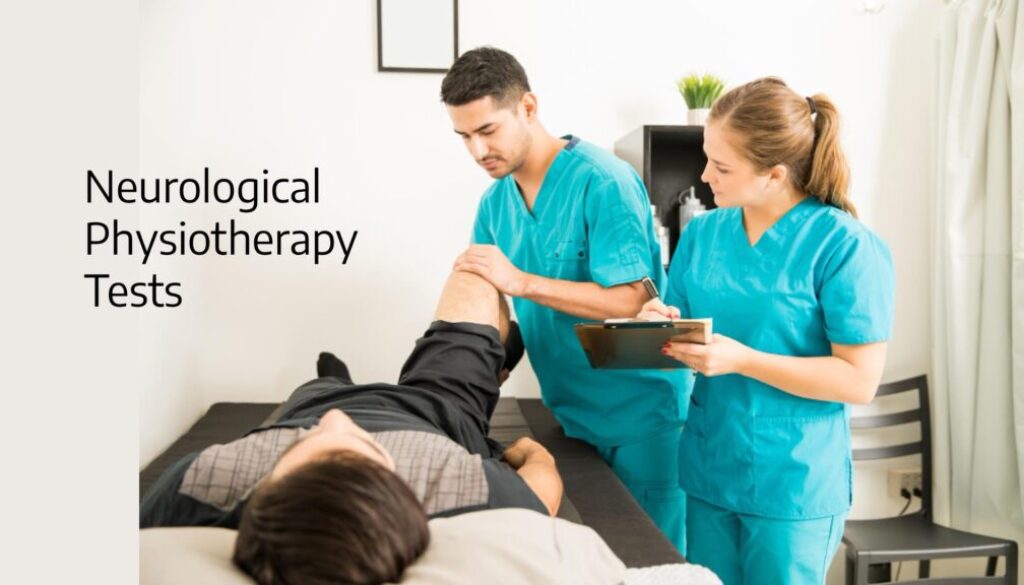
Neurological Physiotherapy Tests for Patient Evaluation
Neurological physiotherapy tests form the cornerstone of effective rehabilitation for individuals dealing with nervous system disorders. Whether you’re recovering from a stroke, managing Parkinson’s disease, or dealing with spinal cord injuries, understanding these specialized assessment techniques can help you navigate your treatment journey with confidence.
When the nervous system sustains damage, whether through stroke, traumatic brain injury, multiple sclerosis, or spinal cord injury, the brain’s ability to send clear signals to various body parts becomes compromised. This disruption can manifest as weakness, poor coordination, balance problems, or altered sensation. Neurological physiotherapy tests serve as the diagnostic compass that guides therapists toward creating targeted, evidence-based treatment plans tailored to your specific neurological deficits.
What Are Neurological Physiotherapy Tests?
Neurological physiotherapy tests are specialized assessment procedures designed to evaluate how neurological conditions affect movement, sensation, coordination, balance, and overall functional ability. Unlike general physical examinations, these tests specifically focus on identifying impairments in the nervous system and their impact on daily activities.
These assessments provide objective data about a patient’s current neurological status, helping physiotherapists identify specific deficits, establish baseline measurements for tracking progress, and develop personalized rehabilitation strategies. The comprehensive nature of neurological testing ensures that no aspect of your functional ability goes unexamined, from the smallest finger movements to complex walking patterns.
The Critical Role of Neurological Assessment in Rehabilitation
A thorough neurological assessment serves as more than just a preliminary step, it forms the foundation upon which all effective rehabilitation is built. Research indicates that approximately one billion people worldwide are affected by neurological conditions, making specialized assessment protocols essential for optimal care delivery.
The assessment process allows physiotherapists to understand each patient’s unique neurological presentation, functional limitations, and rehabilitation potential. Without this comprehensive evaluation, treatment would remain generic rather than targeted to address your specific needs. This systematic approach ensures that interventions directly address identified impairments while maximizing your recovery potential.
Core Components of Neurological Physiotherapy Testing
Subjective Assessment: Understanding Your Story
Before any physical testing begins, your physiotherapist conducts a detailed subjective assessment to understand the complete picture of how your neurological condition affects your life. This conversational evaluation explores your chief complaints, medical history, onset and progression of symptoms, previous treatments, current medications, and daily functional limitations.
Your therapist will ask about your occupation, dominant hand, living situation, and social support network. Understanding factors like your expectations from treatment, concerns about your condition, and personal goals helps create a truly patient-centered rehabilitation plan. This comprehensive history provides context that guides the selection of appropriate objective tests and helps interpret their results accurately.
Observation and Physical Examination
The objective assessment begins with careful observation of your posture, gait pattern, movement quality, and overall physical presentation. Your physiotherapist observes how you move during functional activities, noting any asymmetries, compensatory strategies, or abnormal movement patterns that may indicate specific neurological deficits.
During palpation, the therapist assesses muscle tone, skin temperature, areas of tenderness, and the presence of any swelling or abnormalities. These hands-on examinations provide immediate information about the physical state of your muscles and soft tissues, helping differentiate between neurological and musculoskeletal issues.
Essential Neurological Tests for Sensation
Sensory Testing Through Dermatomes
Dermatome testing represents one of the most fundamental neurological physiotherapy tests for evaluating sensory function. Dermatomes are specific skin areas supplied by sensory nerve fibers from individual spinal nerve roots. By systematically testing sensation across these regions, physiotherapists can pinpoint exactly which nerve roots or pathways may be affected by your condition.
The assessment typically involves three primary modalities:
Light Touch Testing: Using a cotton ball or soft brush, the therapist lightly touches specific dermatome areas while your eyes are closed. You report whether you can feel the touch and whether the sensation is normal, diminished, or absent compared to other body areas. This simple yet effective test reveals deficits in the dorsal column pathway, which carries fine touch information to the brain.
Pinprick Testing: With a clean neurological pin or broken tongue depressor, the therapist applies gentle pressure to assess pain sensation across bilateral dermatomes. This test evaluates the spinothalamic tract function and is particularly sensitive for detecting nerve root compression. The velocity-dependent nature of pain fibers makes this assessment crucial for identifying radiculopathies and peripheral neuropathies.
Temperature Sensation: Using test tubes filled with warm and cold water or metal objects at different temperatures, therapists assess your ability to discriminate between thermal stimuli. Temperature sensation testing provides additional information about small nerve fiber function, which can be particularly relevant in conditions like diabetic neuropathy or small fiber neuropathy.
During dermatome testing, your responses help create a sensory map that reveals patterns of deficit. A loss of sensation following a specific dermatome distribution suggests nerve root involvement, while glove-and-stocking patterns indicate peripheral neuropathy. Focal sensory changes may point to specific peripheral nerve entrapments like carpal tunnel syndrome.
Proprioception and Position Sense
Proprioception testing evaluates your brain’s awareness of body position in space without visual input. The therapist moves your joints through small movements while your eyes are closed, asking you to identify the direction of movement or match the position with the opposite limb. Impaired proprioception significantly affects balance, coordination, and functional mobility, making this assessment critical for understanding fall risk and planning appropriate interventions.
Motor Function Assessment Tests
Muscle Strength Evaluation
Comprehensive motor testing examines muscle strength across all major muscle groups using the Medical Research Council (MRC) grading scale. This standardized 0-5 scale ranges from complete paralysis (grade 0) to normal strength against full resistance (grade 5). Testing should always be performed during eccentric contractions rather than concentric contractions, as this approach reveals subtle weaknesses that might otherwise be missed.
For neurological conditions, strength testing follows a systematic myotomal pattern, evaluating muscles innervated by specific spinal nerve roots. This organized approach helps localize lesions to particular levels of the spinal cord or peripheral nerves. Common myotome testing includes shoulder abduction (C5), elbow flexion (C6), wrist extension (C6), finger flexion (C8), hip flexion (L2), knee extension (L3-L4), ankle dorsiflexion (L4-L5), and ankle plantarflexion (S1).
Muscle Tone Assessment
Muscle tone evaluation distinguishes between normal tone, hypotonia (decreased tone), and hypertonia (increased tone including spasticity and rigidity). The Modified Ashworth Scale stands as the most widely used clinical tool for measuring increased muscle tone in neurological conditions.
Modified Ashworth Scale Grading:
- Grade 0: No increase in muscle tone
- Grade 1: Slight increase in tone with a catch and release or minimal resistance at the end range
- Grade 1+: Slight increase in tone with a catch followed by minimal resistance through less than half the range of motion
- Grade 2: More marked increase in tone through most of the range, but the affected part moves easily
- Grade 3: Considerable increase in tone making passive movement difficult
- Grade 4: Affected part rigid in flexion or extension
The test involves moving the limb through its range of motion at varying speeds while assessing resistance. Higher velocities typically elicit more pronounced spasticity in conditions affecting upper motor neurons. The Modified Ashworth Scale’s simplicity makes it practical for clinical use, though it cannot distinguish between neural and non-neural components of increased tone.
The Tardieu Scale and Modified Tardieu Scale offer alternative approaches by measuring muscle reaction at different stretch velocities. These scales assess the quality of muscle reaction and the angle at which increased tone appears during fast passive movements, providing additional information about the dynamic component of spasticity.
Reflex Testing in Neurological Assessment
Deep Tendon Reflexes
Deep tendon reflexes (DTRs) provide objective evidence of nervous system function and represent some of the most reliable neurological tests available. These stretch reflexes are mediated through neuromuscular spindles and evaluate the integrity of sensory nerves, spinal cord connections, motor nerves, and descending motor pathways.
Common deep tendon reflexes include:
- Biceps Reflex (C5-C6): Tapping the biceps tendon
- Brachioradialis Reflex (C5-C6): Tapping the brachioradialis tendon
- Triceps Reflex (C7-C8): Tapping the triceps tendon
- Patellar Reflex (L3-L4): Tapping the patellar tendon
- Achilles Reflex (S1-S2): Tapping the Achilles tendon
Reflexes are graded on a 0-4 scale:
- Grade 0: No response (indicates lower motor neuron lesion)
- Grade 1+: Diminished, low response
- Grade 2+: Average, normal response
- Grade 3+: Increased, brisker than average
- Grade 4+: Very brisk, hyperactive with clonus (indicates upper motor neuron lesion)
Comparing reflexes bilaterally proves more important than absolute grading, as subtle asymmetries may indicate significant neurological impairment. The Jendrassik maneuver, having patients hook their fingers together and pull while testing lower limb reflexes, can facilitate responses in patients who have difficulty relaxing.
Superficial Reflexes
Superficial or cutaneous reflexes involve stroking the skin to elicit responses. The plantar reflex (Babinski test) holds particular importance in neurological assessment. In adults, stroking the sole of the foot from heel to toes should cause downward flexion of the toes. An upward movement of the great toe with fanning of the other toes (positive Babinski sign) indicates upper motor neuron damage affecting the corticospinal tract.
Other superficial reflexes include the abdominal reflexes, which test spinal cord integrity at thoracic levels, and the cremasteric reflex for lumbar segments. Absence or asymmetry of these reflexes can help localize neurological lesions.
Balance and Coordination Testing
Static Balance Assessments
Balance evaluation forms a critical component of neurological physiotherapy tests, as balance deficits significantly increase fall risk and limit functional independence. Static balance tests assess your ability to maintain position without movement.
Romberg Test: This classic neurological screening test evaluates proprioceptive function and cerebellar integrity. You stand with feet together and arms at your sides, first with eyes open, then closed. The test is considered positive if you maintain balance with eyes open but sway significantly or lose balance when visual input is removed. A positive Romberg sign indicates sensory ataxia due to posterior column dysfunction, while difficulty maintaining balance even with eyes open suggests cerebellar pathology.
Four-Stage Balance Test: This validated fall risk screening progresses through four increasingly challenging positions: feet together side-by-side, semi-tandem stance, full tandem stance, and single-leg stance. You must hold each position for 10 seconds to pass. Inability to maintain tandem stance for 10 seconds indicates increased fall risk and warrants implementation of balance training interventions.
Dynamic Balance Evaluation
Dynamic balance tests assess stability during movement, providing insights into real-world functional ability.
Berg Balance Scale: This comprehensive 14-item assessment evaluates both static and dynamic balance through tasks like sitting to standing, standing unsupported, transfers, reaching forward, turning 360 degrees, and stepping over obstacles. Each item is scored 0-4, with maximum score of 56. Scores below 45 indicate increased fall risk in older adults and those with neurological conditions.
Timed Up and Go Test: This simple yet powerful functional assessment measures the time required to stand from a chair, walk three meters, turn around, return, and sit down. Times longer than 13.5 seconds suggest increased fall risk and mobility limitations. The test evaluates multiple components including strength, balance, gait speed, and functional mobility in a single measurement.
Functional Reach Test: Standing with arm extended forward at shoulder height, you reach as far forward as possible without taking a step. Reach distance less than 7 inches indicates significant balance impairment and increased fall risk. This test specifically evaluates forward stability limits and dynamic postural control.
Coordination Tests
Coordination assessments identify cerebellar dysfunction and movement control deficits through specific movement patterns.
Non-Equilibrium Tests:
- Finger-to-Nose Test: With eyes closed, you alternately touch your nose and the examiner’s finger, which moves to different positions. This test reveals intention tremor, dysmetria (inability to control movement distance), and decomposition of movement.
- Heel-to-Shin Test: Sliding your heel down the opposite shin from knee to ankle tests lower limb coordination.
- Rapid Alternating Movements: Rapidly pronating and supinating your forearm or tapping your foot tests the ability to perform quick, alternating movements (diadochokinesia).
Impaired coordination manifests as irregular, jerky movements, intention tremors, or inability to maintain rhythm. These deficits significantly impact functional activities from writing to walking.
Specialized Neurological Assessment Tools
Cranial Nerve Examination
Comprehensive neurological assessment includes systematic evaluation of all twelve cranial nerves, identifying specific deficits affecting facial expressions, eye movements, swallowing, speech, and sensory functions. While typically performed by physicians, physiotherapists should understand cranial nerve function, particularly those affecting balance (vestibular nerve), facial movement (facial nerve), and swallowing (glossopharyngeal and vagus nerves).
Gait Analysis
Observational gait assessment evaluates walking patterns, identifying specific abnormalities like hemiplegic gait, ataxic gait, Parkinsonian gait, or antalgic gait. Modern computerized gait analysis systems provide precise measurements of temporal-spatial parameters, joint angles, and ground reaction forces, offering objective data for treatment planning and outcome measurement.
10-Meter Walk Test: This standardized assessment measures comfortable and maximum walking speed over 10 meters. Walking speed serves as a powerful predictor of functional ability, fall risk, and community ambulation potential. Speeds below 0.4 m/s indicate household ambulation, 0.4-0.8 m/s suggests limited community ambulation, and above 0.8 m/s indicates community ambulation ability.
6-Minute Walk Test: Measuring the distance walked in six minutes assesses endurance and functional exercise capacity. This test provides valuable information about cardiovascular fitness, fatigue, and ability to sustain physical activity, all crucial for determining rehabilitation goals and discharge planning.
Standardized Outcome Measures
Functional Independence Measure (FIM)
The FIM evaluates self-care abilities, mobility, and cognitive function through 18 items assessing eating, grooming, bathing, dressing, toileting, transfers, locomotion, communication, and social cognition. Each item is scored 1-7, with total scores ranging from 18 (complete dependence) to 126 (complete independence). The FIM provides objective documentation of functional status and improvement over time.
Fugl-Meyer Assessment
This stroke-specific assessment comprehensively evaluates motor function, balance, sensation, and joint range of motion. The motor domain assesses voluntary movement, coordination, and reflex activity in both upper and lower extremities. Scores provide detailed information about motor recovery patterns and guide treatment planning for stroke survivors.
Advanced Technology in Neurological Testing
Modern neurological assessment increasingly incorporates technological innovations that enhance precision and objectivity.
Computerized Dynamic Posturography: This technology measures postural control by challenging balance through moving platforms and visual surrounds, quantifying the contribution of sensory systems to balance control.
Surface Electromyography (sEMG): Recording electrical muscle activity during rest and activity assesses recruitment patterns, timing, and muscle coordination. This technology helps identify abnormal muscle activation patterns and monitors treatment effectiveness.
Inertial Sensors and Accelerometry: Wearable devices track movement patterns, activity levels, and fall events in real-world environments, providing objective data beyond clinic-based assessments.
Force Plate Analysis: Measuring ground reaction forces and center of pressure during standing and walking quantifies weight distribution, balance strategies, and postural sway with precision impossible through observation alone.
Interpreting Test Results and Clinical Reasoning
Understanding neurological physiotherapy tests requires integration of multiple assessment findings through clinical reasoning. Isolated test results provide limited information; the pattern of deficits across multiple tests reveals the underlying pathophysiology.
For example, combining sensory testing showing specific dermatomal patterns with corresponding reflex changes and myotomal weakness helps localize lesions to specific nerve roots in radiculopathy. Conversely, widespread sensory loss with preserved reflexes might suggest peripheral neuropathy rather than spinal pathology.
The International Classification of Functioning, Disability and Health (ICF) framework helps organize assessment findings, linking body structure impairments (like weakness or sensory loss) to activity limitations (like difficulty walking) and participation restrictions (like inability to work). This holistic approach ensures rehabilitation addresses not just impairments but their impact on your life activities and social participation.
Creating Your Personalized Treatment Plan
Assessment findings directly inform treatment planning. If balance tests reveal significant deficits, your therapy will emphasize balance training exercises. Positive findings on spasticity scales may indicate need for tone management through stretching, positioning, or pharmacological interventions. Gait analysis abnormalities guide specific walking re-education strategies.
Goal setting becomes collaborative and realistic based on objective measurements. Rather than vague goals like “improve walking,” assessment results enable specific, measurable objectives such as “increase 10-meter walk speed from 0.3 m/s to 0.5 m/s within 8 weeks” or “achieve Berg Balance Scale score above 45 to reduce fall risk.”
Why Choose Home-Based Neurological Physiotherapy?
For individuals with significant neurological impairments, traveling to clinic appointments can be physically exhausting and logistically challenging. Neurological physiotherapy delivered at home offers distinct advantages: assessment and treatment in your actual living environment, personalized attention without time constraints, reduced stress and fatigue from travel, and ability to involve family members in your rehabilitation process.
Home-based assessment allows therapists to evaluate real-world functional challenges in your specific environment, identifying obstacles and safety concerns that wouldn’t be apparent in a clinic setting. This contextual understanding leads to more practical, relevant interventions that directly improve your daily function.
Conditions Treated with Neurological Physiotherapy
Neurological physiotherapy tests and subsequent treatments benefit individuals with various conditions:
Stroke and Cerebrovascular Accidents: Comprehensive assessment identifies hemiparesis patterns, sensory deficits, balance impairments, and functional limitations following stroke. Recovery-focused interventions target identified impairments while promoting neuroplasticity.
Spinal Cord Injuries: Systematic neurological testing determines injury level and completeness, guides functional prognosis, and tracks recovery. Sensory and motor testing follows standardized protocols to ensure accurate documentation and outcome measurement.
Parkinson’s Disease: Assessment reveals characteristic features including rigidity, bradykinesia, postural instability, and gait disturbances. Specialized testing identifies specific movement deficits requiring targeted interventions.
Multiple Sclerosis: Varied presentation of MS necessitates comprehensive assessment addressing weakness, sensory changes, coordination deficits, balance problems, and fatigue. Regular re-assessment tracks disease progression and treatment effectiveness.
Traumatic Brain Injury: Testing evaluates cognitive-motor integration, balance, coordination, and functional abilities affected by brain injury. Assessment guides rehabilitation focused on maximizing independence and safety.
Peripheral Neuropathies: Systematic sensory testing in dermatomal and peripheral nerve distributions helps distinguish between different neuropathy types and guides appropriate management strategies.
For specialized care addressing your specific neurological condition, our geriatric physiotherapy services help older adults maintain mobility and independence, while post-surgical physiotherapy supports recovery following neurosurgical procedures.
The Importance of Regular Re-Assessment
Neurological assessment isn’t a one-time event but an ongoing process throughout rehabilitation. Regular re-testing serves multiple purposes: tracking progress objectively, modifying treatment plans based on response, identifying plateaus requiring intervention changes, and demonstrating outcomes to patients, families, and healthcare teams.
Comparing current performance to baseline measurements provides concrete evidence of improvement, which motivates continued participation in sometimes challenging rehabilitation programs. Conversely, lack of progress prompts investigation of barriers and adjustment of treatment approaches.
Most neurological conditions show dynamic changes over time, whether recovery following acute injury, progressive decline in degenerative diseases, or fluctuating symptoms in conditions like MS. Regular assessment ensures treatment remains appropriately matched to your current status and needs.
Maximizing Your Assessment Experience
To get the most from your neurological physiotherapy assessment:
Prepare Information: Bring medical records, imaging reports, medication lists, and details about symptom onset and progression. This information helps your therapist understand your complete medical picture.
Communicate Openly: Share all symptoms honestly, even if they seem unrelated or embarrassing. Comprehensive understanding leads to better treatment planning.
Ask Questions: Understanding why specific tests are performed and what results mean empowers you as an active participant in your rehabilitation.
Report Changes: Between sessions, note any changes in symptoms, function, or medication. This information helps track progress and identify factors affecting your condition.
Set Realistic Goals: Collaborate with your therapist to establish meaningful, achievable goals based on what matters most in your daily life.
Making Neurological Physiotherapy Accessible
At Physio at Your Doorstep, we understand that neurological conditions present unique challenges that extend beyond physical symptoms. Founded by Dr. Atharva Mishra, our specialized team brings expert neurological assessment and treatment directly to your home across Bangalore. Whether you’re in JP Nagar, BTM Layout, Koramangala, HSR Layout, Whitefield, or surrounding areas, professional neurological care is just a call away.
Our comprehensive approach combines evidence-based assessment techniques with personalized treatment planning, ensuring you receive the highest quality care in the comfort of your home. We also offer online physiotherapy consultations for ongoing guidance and support between in-person sessions.
Resources and References
For more information about neurological conditions and rehabilitation:
- World Health Organization (WHO) – Neurological Disorders: Public Health Challenges
- American Physical Therapy Association – Neurology Section
- Physiopedia – Comprehensive Neurological Assessment Resources
- National Institute of Neurological Disorders and Stroke (NINDS)
- International Classification of Functioning, Disability and Health (ICF) Framework
This comprehensive guide to neurological physiotherapy tests is provided for educational purposes. Individual assessment needs vary based on specific conditions and circumstances. Always consult with qualified healthcare professionals for personalized medical advice and treatment planning.