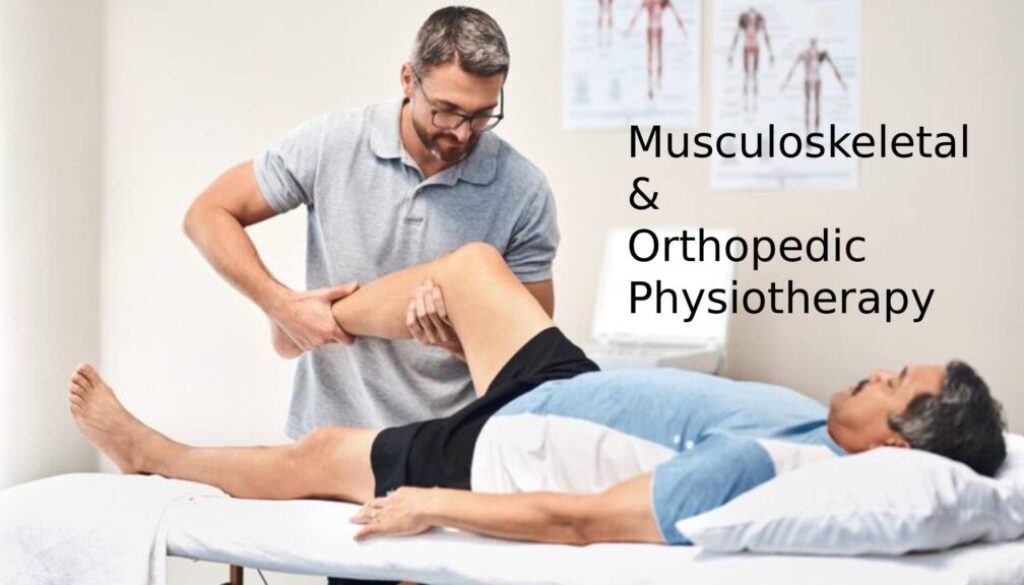
Musculoskeletal & Orthopedic Physiotherapy | Complete Guide
When joint pain, muscle stiffness, or mobility issues affect your daily life, understanding your treatment options becomes crucial. Musculoskeletal and orthopedic physiotherapy stands as one of the most effective, non-invasive approaches to restoring function, reducing pain, and preventing future injuries. Whether you’re recovering from surgery, managing chronic pain, or dealing with a sports injury, this specialized form of physical therapy offers personalized solutions that address the root cause of your condition.
In this comprehensive guide, we’ll explore everything you need to know about musculoskeletal and orthopedic physiotherapy—from understanding what it is to discovering how it can transform your recovery journey, especially when delivered in the comfort of your own home.
What Is Musculoskeletal and Orthopedic Physiotherapy?
Musculoskeletal physiotherapy refers to the specialized field of physical therapy that focuses on disorders affecting the musculoskeletal system—the intricate network of muscles, bones, joints, nerves, tendons, ligaments, cartilage, and spinal discs that enables movement and provides structural support to your body.
Orthopedic physiotherapy, often used interchangeably with musculoskeletal physiotherapy (particularly in the United States), targets the same system but emphasizes the assessment, diagnosis, treatment, and rehabilitation of injuries and conditions related to bones, joints, and connective tissues. While the terms are closely related, both approaches share the same fundamental goal: restoring optimal function, alleviating pain, and improving your quality of life.
The Musculoskeletal System: Understanding Your Body’s Framework
To appreciate how musculoskeletal and orthopedic physiotherapy works, it’s essential to understand what this system encompasses:
- Bones: The skeletal framework that provides structure and protection
- Muscles: Contractile tissues that enable movement and maintain posture
- Joints: Connection points between bones that allow for mobility
- Tendons: Fibrous tissues connecting muscles to bones
- Ligaments: Connective tissues that stabilize joints by connecting bone to bone
- Cartilage: Smooth tissue that cushions joints and enables frictionless movement
- Nerves: Communication pathways transmitting signals between your brain and body
- Spinal discs: Shock-absorbing cushions between vertebrae
When any component of this complex system experiences injury, disease, or dysfunction, it can significantly impact your ability to perform daily activities, work efficiently, or enjoy recreational pursuits.
The Science Behind Musculoskeletal and Orthopedic Physiotherapy
Musculoskeletal physiotherapy utilizes fundamental sciences—anatomy, physiology, and biomechanics—as the foundation for patient assessment and management. This evidence-based approach ensures that treatments are not only effective but also tailored to each individual’s unique needs.
Core Principles of Treatment
The management approaches in musculoskeletal and orthopedic physiotherapy extend far beyond simple manipulation. They include:
- Manual Assessment Techniques: Hands-on evaluation to identify dysfunction, restrictions, and pain sources
- Manual Therapy: Skilled manipulation and mobilization to restore joint mobility and tissue flexibility
- Therapeutic Exercise Programs: Specific, targeted exercises designed to strengthen muscles, improve flexibility, and enhance functional movement
- Electrotherapy Modalities: Use of electrical stimulation, ultrasound, and laser therapy to reduce pain and promote healing
- Postural Correction: Education and training to improve body mechanics and prevent recurrence
- Movement Pattern Training: Teaching proper movement strategies to reduce strain and optimize function
Common Conditions Treated with Musculoskeletal and Orthopedic Physiotherapy
One of the greatest strengths of musculoskeletal and orthopedic physiotherapy is its versatility in addressing a wide spectrum of conditions. Here are the most common issues that benefit from this specialized treatment:
Acute Injuries
Sprains and Strains: Among the most frequently treated injuries, ligament sprains and muscle strains can significantly limit mobility and cause considerable pain. Physiotherapy accelerates healing through controlled movement, strengthening exercises, and pain management techniques.
Fractures: After the initial healing period, physiotherapy plays a critical role in restoring strength, flexibility, and function to the affected area, preventing stiffness and ensuring proper recovery.
Tendon Tears: Whether partial or complete, tendon injuries require specialized rehabilitation to restore strength and prevent re-injury.
Post-Surgical Rehabilitation
Recovery from orthopedic surgery demands expert guidance to ensure optimal healing and functional restoration. Physiotherapy exercises after knee surgery help patients regain mobility, strength, and confidence following procedures such as:
- Joint Replacement Surgery: Hip, knee, and shoulder replacements require progressive rehabilitation to restore full function
- Rotator Cuff Repairs: Shoulder surgery rehabilitation focuses on gradually rebuilding strength while protecting the healing tissues
- ACL Reconstruction: Comprehensive rehabilitation programs restore knee stability and athletic performance
- Spinal Surgery: Post-operative care addresses pain management, core strengthening, and safe movement patterns
Chronic Musculoskeletal Conditions
Arthritis: Both osteoarthritis and rheumatoid arthritis benefit from physiotherapy interventions that reduce pain, improve joint mobility, and maintain functional independence.
Chronic Back Pain: Lower back pain is one of the leading causes of disability worldwide. Musculoskeletal physiotherapy addresses the underlying biomechanical issues, strengthens supporting muscles, and teaches proper movement mechanics.
Neck Pain and Headaches: Cervical spine dysfunction and muscle tension can cause persistent neck pain and tension headaches. Manual therapy and corrective exercises provide significant relief.
Plantar Fasciitis: This common foot condition responds well to targeted physiotherapy interventions including stretching, strengthening, and manual techniques.
Tendinitis and Bursitis: Overuse conditions affecting tendons and bursae respond to progressive loading exercises and manual therapy.
Sports Injuries
Athletes and active individuals frequently require musculoskeletal physiotherapy for conditions such as:
- Tennis elbow and golfer’s elbow
- Runner’s knee
- Shin splints
- Ankle sprains
- Shoulder impingement
- Hamstring strains
Athletic taping techniques often complement rehabilitation programs, providing additional support and proprioceptive feedback during recovery.
Work-Related Musculoskeletal Disorders
Repetitive strain injuries, poor ergonomics, and occupational hazards can lead to conditions like:
- Carpal tunnel syndrome
- Repetitive strain injury (RSI)
- Postural dysfunction
- Occupational back pain
How Musculoskeletal and Orthopedic Physiotherapy Works: Treatment Techniques Explained
The beauty of musculoskeletal and orthopedic physiotherapy lies in its comprehensive, multi-faceted approach. Your physiotherapist will combine various techniques to create a personalized treatment plan that addresses your specific needs.
Manual Therapy: The Hands-On Approach
Manual therapy involves skilled, hands-on techniques to manipulate, mobilize, and massage soft tissues and joints. These interventions help:
- Reduce pain and muscle tension
- Improve joint mobility and range of motion
- Facilitate tissue healing
- Restore normal movement patterns
Common manual therapy techniques include:
Joint Mobilization: Gentle, passive movements applied to joints to restore normal motion and reduce stiffness.
Soft Tissue Mobilization: Targeted massage and manipulation of muscles, fascia, and other soft tissues to release tension, improve blood flow, and promote healing.
Myofascial Release: Sustained pressure applied to myofascial connective tissue to eliminate pain and restore motion.
Trigger Point Therapy: Direct pressure applied to muscle knots or trigger points to release tension and referred pain patterns.
Exercise Therapy: The Cornerstone of Recovery
Exercise therapy forms the foundation of musculoskeletal and orthopedic physiotherapy. Unlike general exercise, therapeutic exercises are specifically prescribed based on your condition, functional limitations, and recovery goals.
Strengthening Exercises: Progressive resistance training rebuilds muscle strength around affected joints, providing better support and reducing stress on injured structures.
Flexibility and Stretching: Controlled stretching programs improve tissue extensibility, reduce stiffness, and enhance range of motion.
Balance and Proprioception Training: Exercises that challenge your balance and body awareness help prevent future injuries and improve functional stability.
Functional Training: Task-specific exercises that replicate activities you need to perform in daily life, work, or sports, ensuring that improvements translate to real-world function.
Endurance Training: Gradual progression of activity duration helps rebuild cardiovascular fitness and muscular endurance without overloading healing tissues.
Therapeutic Modalities: Enhancing Treatment Effectiveness
Physiotherapists utilize various modalities to complement manual therapy and exercise interventions:
Heat Therapy (Thermotherapy): Application of heat increases blood flow, relaxes muscles, and reduces stiffness, making it particularly effective before stretching or exercise.
Cold Therapy (Cryotherapy): Ice application reduces inflammation, numbs pain, and minimizes swelling, especially beneficial immediately after injury or intense exercise.
Electrical Stimulation: Transcutaneous electrical nerve stimulation (TENS) and other electrical modalities help manage pain and stimulate muscle contraction.
Ultrasound Therapy: Sound waves promote deep tissue healing, reduce inflammation, and improve tissue extensibility.
Laser Therapy: Low-level laser therapy accelerates healing at the cellular level and reduces pain and inflammation.
Patient Education and Self-Management
A critical component of successful musculoskeletal and orthopedic physiotherapy is empowering you with knowledge and self-management strategies. Your physiotherapist will educate you about:
- Your specific condition and what causes it
- Proper body mechanics and ergonomics
- Activity modification strategies
- Home exercise programs
- Warning signs that require professional attention
- Prevention strategies to minimize future risk
The Benefits of Musculoskeletal and Orthopedic Physiotherapy
When you commit to a comprehensive physiotherapy program, you can expect numerous benefits that extend far beyond simple pain relief:
1. Effective Pain Management Without Medication
Musculoskeletal and orthopedic physiotherapy offers powerful pain relief through natural, non-pharmacological interventions. By addressing the root causes of pain rather than just masking symptoms, physiotherapy provides long-lasting relief while minimizing reliance on pain medications and their potential side effects.
2. Restored Mobility and Function
Whether you’re struggling to climb stairs, reach overhead, or perform basic self-care tasks, physiotherapy helps restore the movements you’ve lost. Through progressive exercise and manual therapy, you’ll regain the ability to perform daily activities with confidence and independence.
3. Accelerated Recovery from Injury or Surgery
Professional guidance ensures that your healing tissues receive optimal loading and movement at each stage of recovery. This evidence-based approach accelerates healing while minimizing the risk of complications or setbacks.
4. Prevention of Future Injuries
By identifying and correcting biomechanical imbalances, movement dysfunctions, and strength deficits, physiotherapy doesn’t just treat current problems—it helps prevent future ones. You’ll learn proper movement patterns and receive targeted strengthening to reduce injury risk.
5. Improved Quality of Life
Pain and mobility limitations affect every aspect of life, from work performance to social activities and mental health. By addressing these issues comprehensively, musculoskeletal and orthopedic physiotherapy enhances overall well-being, independence, and life satisfaction.
6. Avoidance or Delay of Surgery
For many conditions, comprehensive physiotherapy programs can eliminate the need for surgical intervention or allow you to postpone surgery until absolutely necessary. Even when surgery is inevitable, pre-surgical physiotherapy (prehabilitation) can optimize outcomes.
7. Enhanced Athletic Performance
Athletes benefit from physiotherapy’s ability to optimize movement patterns, correct imbalances, and build resilient tissues. Whether returning from injury or seeking performance enhancement, physiotherapy provides the foundation for athletic success.
Home-Based Musculoskeletal and Orthopedic Physiotherapy: The Future of Recovery
While traditional clinic-based physiotherapy offers many benefits, home-based physiotherapy services are revolutionizing musculoskeletal care delivery. This convenient, patient-centered approach brings expert treatment directly to your doorstep, offering unique advantages that enhance recovery outcomes.
Why Choose Home-Based Physiotherapy?
Convenience and Comfort: Recovery happens best in familiar, comfortable environments. Home physiotherapy eliminates commute stress, parking hassles, and clinic waiting times, allowing you to focus entirely on healing.
Personalized Environment Assessment: Home visits enable physiotherapists to evaluate your actual living environment, identifying hazards, ergonomic issues, and functional barriers that might not be apparent in a clinic setting. This allows for truly personalized recommendations.
Family Involvement: Home-based sessions facilitate family education and involvement, ensuring that caregivers understand your condition and can provide appropriate support.
Functional Training in Real-World Contexts: Practicing movements and activities in your own home—climbing your actual stairs, navigating your bathroom, or performing tasks in your kitchen—ensures that rehabilitation translates directly to daily function.
Accessibility for Mobility-Limited Individuals: For those with severe mobility restrictions, chronic conditions, or post-surgical limitations, traveling to a clinic can be challenging or impossible. Home physiotherapy removes this barrier to care.
Comprehensive Home Physiotherapy Services
At Physio At Your Doorstep, we bring expert musculoskeletal and orthopedic physiotherapy to patients across Bangalore, including JP Nagar, BTM Layout, Jayanagar, Koramangala, HSR Layout, and Whitefield. Our home-based services encompass the full spectrum of musculoskeletal care, including specialized orthopedic physiotherapy for post-surgical recovery, chronic pain management, and injury rehabilitation.
The Assessment Process: What to Expect from Your First Session
Understanding what happens during your initial musculoskeletal and orthopedic physiotherapy assessment can help you prepare and maximize the benefit from your first session.
Comprehensive Health History
Your physiotherapist will begin by gathering detailed information about:
- Your current symptoms (location, intensity, nature of pain)
- How and when your condition began
- Previous injuries or surgeries
- Medical conditions and medications
- Daily activities, work demands, and recreational interests
- Your goals and expectations for treatment
Physical Examination
A thorough physical assessment includes:
Observation: Visual assessment of posture, gait patterns, and movement quality
Range of Motion Testing: Measurement of how far and smoothly your joints move
Strength Testing: Evaluation of muscle strength in affected and surrounding areas
Functional Movement Assessment: Analysis of how you perform specific tasks or movements relevant to your condition
Special Tests: Specific orthopedic tests to identify particular structures or conditions causing problems
Palpation: Hands-on examination to identify areas of tenderness, swelling, or tissue restriction
Diagnosis and Treatment Planning
Based on assessment findings, your physiotherapist will:
- Explain your diagnosis in understandable terms
- Discuss the underlying causes and contributing factors
- Set realistic, measurable treatment goals
- Outline a personalized treatment plan
- Provide a timeline for expected progress
- Answer your questions and address concerns
Integrating Musculoskeletal Physiotherapy with Other Specialties
While musculoskeletal and orthopedic physiotherapy forms the foundation of many rehabilitation programs, comprehensive care often involves integration with other physiotherapy specialties:
Sports Physiotherapy
Athletes require specialized knowledge of sport-specific demands, biomechanics, and return-to-sport protocols. Sports physiotherapy combines musculoskeletal expertise with performance optimization strategies.
Neurological Physiotherapy
When musculoskeletal issues stem from or coexist with neurological conditions such as stroke, Parkinson’s disease, or spinal cord injury, neurological physiotherapy exercises complement orthopedic interventions to address both movement control and structural issues.
Geriatric Physiotherapy
Older adults often present with multiple musculoskeletal conditions alongside age-related changes. Geriatric physiotherapy adapts musculoskeletal interventions to accommodate reduced bone density, slower healing, and balance concerns.
Pediatric Physiotherapy
Children with developmental delays, congenital conditions, or musculoskeletal injuries require specialized approaches. Pediatric physical rehabilitation combines musculoskeletal techniques with age-appropriate, play-based interventions.
Maximizing Your Physiotherapy Outcomes: Patient Responsibilities
While your physiotherapist provides expert guidance and hands-on treatment, your recovery success ultimately depends on active participation and commitment to the process.
Commit to Your Home Exercise Program
Home exercises form the backbone of musculoskeletal rehabilitation. Consistency with prescribed exercises—even when they seem simple or repetitive—drives meaningful progress. Your physiotherapist designs these programs specifically for your condition and recovery stage.
Communicate Openly
Inform your physiotherapist about:
- Changes in symptoms (improvements or setbacks)
- Pain levels during exercises
- Challenges following recommendations
- Questions or concerns about your program
Clear communication allows for timely adjustments and ensures optimal outcomes.
Follow Activity Recommendations
Your physiotherapist will provide specific guidance about activities to avoid, modify, or gradually resume. Following these recommendations prevents setbacks and supports progressive healing.
Attend Sessions Consistently
Regular treatment sessions, especially in early recovery phases, maintain momentum and allow your physiotherapist to monitor progress, adjust techniques, and advance your program appropriately.
Adopt Healthy Lifestyle Habits
Support your recovery through:
- Adequate sleep for tissue healing
- Proper nutrition to fuel repair processes
- Stress management to reduce muscle tension
- Maintaining a healthy weight to reduce joint stress
- Staying hydrated to support tissue health
Evidence-Based Practice: The Foundation of Modern Physiotherapy
Modern musculoskeletal and orthopedic physiotherapy relies heavily on scientific evidence to guide treatment decisions. Research consistently demonstrates the effectiveness of physiotherapy for numerous conditions:
- Manual therapy combined with exercise shows superior outcomes for chronic back pain compared to passive treatments
- Pre-surgical physiotherapy (prehabilitation) improves post-operative outcomes and reduces recovery time
- Progressive loading exercises effectively treat tendinopathy with low recurrence rates
- Early mobilization following fractures and sprains accelerates recovery compared to prolonged immobilization
- Multimodal physiotherapy approaches outperform single-intervention strategies for most musculoskeletal conditions
Your physiotherapist stays current with emerging research and integrates evidence-based techniques into your personalized treatment plan, ensuring you receive the most effective care available.
Advanced Technologies in Modern Musculoskeletal Physiotherapy
The field of musculoskeletal and orthopedic physiotherapy continues to evolve with technological advancements that enhance assessment accuracy and treatment effectiveness:
Wearable Devices and Motion Analysis
Modern technology enables precise measurement of movement patterns, providing objective data to guide treatment and track progress over time.
Telehealth Integration
While hands-on treatment remains essential, telehealth platforms supplement in-person visits by enabling:
- Remote exercise monitoring and guidance
- Virtual check-ins between treatment sessions
- Enhanced patient education through visual resources
- Convenient follow-up consultations
Electromyography (EMG) Assessment
EMG technology measures muscle electrical activity, helping physiotherapists identify muscle imbalances, dysfunction, and optimal activation patterns for targeted rehabilitation.
When to Seek Musculoskeletal and Orthopedic Physiotherapy
Many people delay seeking physiotherapy, hoping conditions will resolve on their own. While minor aches often improve with rest, you should consult a physiotherapist if you experience:
- Persistent pain lasting more than a few days
- Pain that interferes with daily activities or sleep
- Progressive worsening of symptoms
- Recurring injuries in the same area
- Difficulty performing normal movements
- Swelling, bruising, or visible deformity
- Numbness, tingling, or weakness
- Inability to bear weight on an affected limb
- Post-surgical recovery needs
Early intervention often leads to faster recovery, prevention of chronic problems, and better long-term outcomes.
The Path Forward: Your Journey to Optimal Musculoskeletal Health
Musculoskeletal and orthopedic physiotherapy offers a proven, evidence-based path to recovery from injury, surgery, and chronic pain. By addressing the root causes of dysfunction rather than simply masking symptoms, physiotherapy empowers you to regain function, return to activities you love, and maintain long-term musculoskeletal health.
Whether you’re dealing with acute injury, post-surgical recovery, chronic pain, or sports-related issues, professional physiotherapy guidance provides the expertise, support, and personalized treatment necessary for optimal outcomes. With the added convenience of home-based services, accessing expert musculoskeletal care has never been easier.
Remember, your musculoskeletal system is the foundation that supports every movement, every activity, and every pursuit in your life. Investing in its health through professional physiotherapy care pays dividends in improved function, reduced pain, and enhanced quality of life for years to come.
If you’re ready to take the first step toward recovery, consider reaching out to a qualified physiotherapist who can assess your condition and develop a personalized treatment plan. Your journey to optimal musculoskeletal health begins with that first consultation—and the results can be truly life-changing.
Additional Resources
For more information about specific physiotherapy services and conditions, explore these helpful resources:
- National Center for Biotechnology Information – Physical Therapy for Musculoskeletal Pain
- American Physical Therapy Association – Orthopedic Physical Therapy
- Physiopedia – Musculoskeletal Physiotherapy Resource
- World Physiotherapy – Global Standards
Ready to begin your recovery journey? Contact Physio At Your Doorstep for expert musculoskeletal and orthopedic physiotherapy delivered conveniently to your home across Bangalore. Our experienced physiotherapists provide personalized, evidence-based care that helps you regain function, reduce pain, and return to the activities you love.