Physiotherapy for Osteoarthritis: Effective Techniques for Pain Relief
Living with osteoarthritis can feel overwhelming, especially when joint pain and stiffness interfere with daily activities you once took for granted. Whether it’s climbing stairs, playing with grandchildren, or simply getting out of bed without discomfort, osteoarthritis affects millions of people worldwide. The good news? Physiotherapy offers a proven, non-invasive approach to managing symptoms and improving your quality of life.
In this comprehensive guide, we’ll explore how physiotherapy for osteoarthritis works, what treatment techniques are most effective, and how you can regain mobility and reduce pain through specialized therapeutic interventions.
What Is Osteoarthritis?
Osteoarthritis (OA) is the most common form of arthritis, affecting over 32 million adults in the United States alone. Often referred to as degenerative joint disease, osteoarthritis occurs when the protective cartilage that cushions the ends of bones gradually wears down over time.
In healthy joints, hyaline cartilage provides a smooth, gliding surface that allows bones to move freely against each other while absorbing shock. When osteoarthritis develops, this cartilage deteriorates, causing the joint space to narrow. Eventually, bones may rub together, leading to pain, inflammation, and the formation of bone spurs.
Common Joints Affected by Osteoarthritis
While osteoarthritis can affect any joint in the body, it most commonly impacts:
- Knees – The most frequently affected weight-bearing joint
- Hips – Often causing pain in the groin or thigh area
- Hands and fingers – Particularly the base of the thumb and finger joints
- Spine – Affecting the neck (cervical) and lower back (lumbar) regions
- Feet and ankles – Especially the big toe joint
How Does Physiotherapy Help Osteoarthritis?
Physiotherapy is recognized as a first-line, evidence-based treatment for osteoarthritis management. Unlike medications that only mask symptoms temporarily or surgery that carries significant risks, physiotherapy addresses the root causes of pain and dysfunction while improving overall joint health.
Research consistently demonstrates that structured physiotherapy programs can reduce pain, improve physical function, and enhance quality of life for people with osteoarthritis. In fact, studies show that physiotherapy can be as effective as steroid injections for knee osteoarthritis, with the added benefit of being cost-effective and free from serious side effects.
Key Benefits of Physiotherapy for Osteoarthritis
Pain Reduction: Therapeutic exercises and manual therapy techniques help reduce joint pain by improving circulation, decreasing inflammation, and releasing natural pain-relieving endorphins.
Improved Mobility: Range of motion exercises restore flexibility and help maintain the full movement capacity of affected joints, making daily activities easier.
Increased Strength: Strengthening exercises target the muscles surrounding arthritic joints, providing better support and protection while reducing mechanical stress on damaged cartilage.
Enhanced Balance and Stability: Balance training reduces fall risk and improves confidence during movement, which is especially important for older adults with osteoarthritis.
Better Function: Functional exercises help you perform daily activities more efficiently, from walking and climbing stairs to household chores and recreational activities.
Delayed Disease Progression: Regular physical activity through physiotherapy can slow the degenerative process and potentially delay or eliminate the need for joint replacement surgery.
What to Expect During Physiotherapy Assessment?
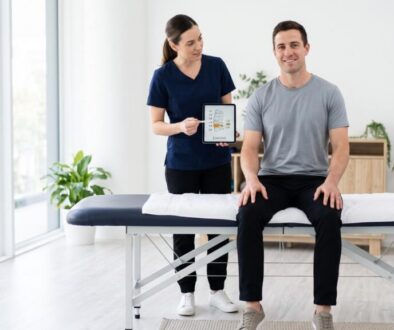
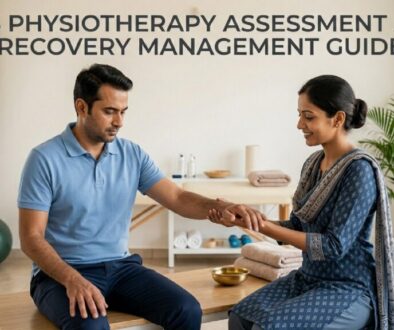
When you first visit a physiotherapist for osteoarthritis, they will conduct a comprehensive evaluation to understand your specific condition and needs. This thorough assessment forms the foundation of your personalized treatment plan.
Initial Physiotherapy Assessment Includes:
Medical History Review: Your physiotherapist will ask about when your symptoms began, what activities aggravate your pain, previous injuries, surgical history, and any other medical conditions that may affect treatment.
Physical Examination: This includes:
- Joint range of motion testing
- Muscle strength assessment
- Gait and movement pattern analysis
- Joint stability evaluation
- Posture and alignment checks
- Palpation to identify tender areas and swelling
Functional Testing: Your physiotherapist will observe how you perform everyday activities like walking, standing up from a chair, climbing stairs, or reaching overhead to identify limitations.
Goal Setting: Together with your physiotherapist, you’ll establish realistic, measurable goals based on what activities are most important to you, whether that’s returning to gardening, playing golf, or simply walking without pain.
Individualized Treatment Plan: Based on the assessment findings, your physiotherapist creates a customized program tailored to your specific joint involvement, pain levels, fitness level, and personal goals.
What Are the Main Physiotherapy Treatment Techniques for Osteoarthritis?
Physiotherapy for osteoarthritis encompasses a comprehensive range of treatment modalities designed to address pain, stiffness, weakness, and functional limitations. Here are the core interventions used by physiotherapists:
1. Therapeutic Exercise Programs
Exercise therapy is the cornerstone of osteoarthritis management and has the strongest evidence base for reducing pain and improving function.
Range of Motion Exercises: These gentle movements take joints through their full span of motion, helping maintain flexibility and reduce stiffness. Examples include:
- Knee bends and straightening
- Hip circles and leg swings
- Shoulder rolls and arm circles
- Ankle pumps and rotations
Strengthening Exercises: Building muscle strength around affected joints provides better support and reduces stress on damaged cartilage. Your physiotherapist may prescribe:
- Quadriceps sets and straight leg raises
- Hip abduction and extension exercises
- Resistance band exercises
- Bodyweight exercises like wall squats
- Progressive resistance training with weights
Aerobic Exercise: Low-impact cardiovascular activities improve heart and lung function, help maintain healthy weight, reduce fatigue, and promote overall joint health. Recommended options include:
- Walking (30-60 minutes daily at moderate intensity)
- Swimming and water aerobics
- Cycling or stationary biking
- Elliptical machine workouts
Neuromuscular Training: These exercises improve joint stability, proprioception (position sense), balance, and coordination, reducing fall risk and improving functional performance.
2. Manual Therapy Techniques
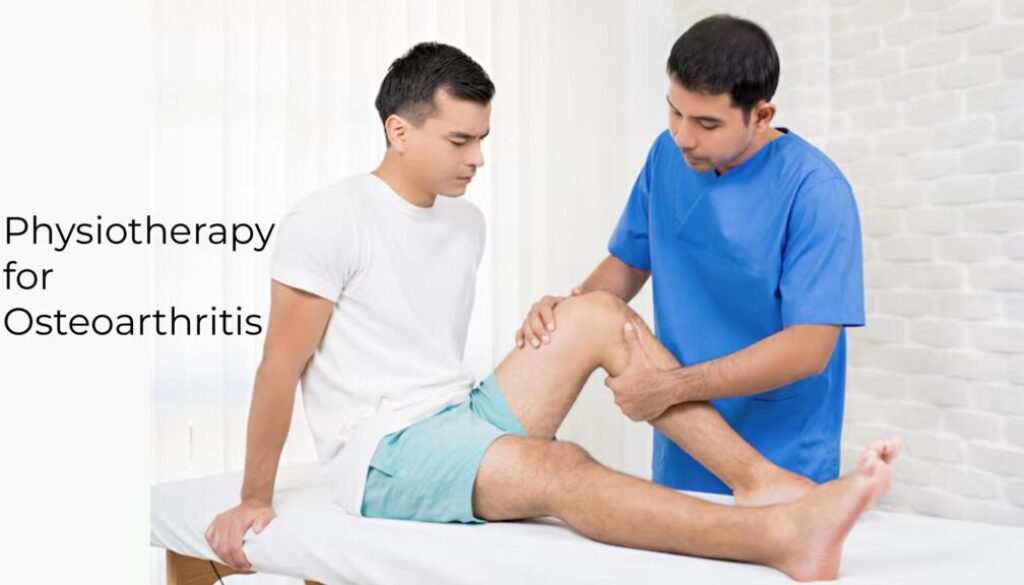
Manual therapy involves hands-on treatment by your physiotherapist to improve joint mobility and reduce pain.
Joint Mobilization: Gentle, passive movements applied to stiff joints to improve range of motion and decrease pain.
Soft Tissue Massage: Therapeutic massage reduces muscle tension, improves blood flow, breaks down scar tissue, and promotes relaxation.
Stretching: Your physiotherapist applies sustained stretches to tight muscles and soft tissues surrounding affected joints.
Mobilization with Movement: A specialized technique combining joint mobilization with active movement to restore normal joint mechanics.
3. Pain Management Modalities
Heat Therapy: Applying warm compresses or heating pads increases blood flow, relaxes muscles, and reduces stiffness. Best used before exercise or activities.
Cold Therapy (Cryotherapy): Ice packs reduce inflammation and numb pain. Most effective immediately after activities that aggravate symptoms.
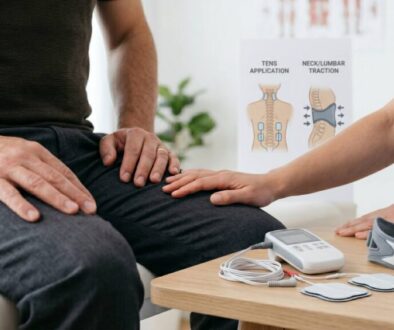
TENS (Transcutaneous Electrical Nerve Stimulation): A small device delivers electrical impulses through skin electrodes to alter pain signals and promote natural painkiller release.
Ultrasound Therapy: High-frequency sound waves penetrate deep tissues to promote healing and reduce inflammation.
Electrotherapy: Various electrical modalities help manage pain and promote tissue healing.
4. Patient Education and Self-Management
Education is a crucial component of successful osteoarthritis management. Your physiotherapist will teach you:
- Understanding osteoarthritis and realistic expectations
- Joint protection techniques
- Proper posture and body mechanics
- Activity modification strategies
- Pain management techniques
- Signs that require medical attention
- Long-term exercise adherence strategies
5. Gait Training and Functional Retraining
Your physiotherapist will analyze your walking pattern and teach you proper movement techniques to reduce joint stress during daily activities. This may include training for:
- Walking with proper alignment
- Stair climbing techniques
- Getting in and out of chairs safely
- Bending and lifting mechanics
- Balance and coordination activities
6. Assistive Device Recommendations
When appropriate, physiotherapists can recommend and fit assistive devices to improve function and safety:
- Walking aids (canes, walkers, crutches)
- Knee braces or supports
- Foot orthotics and shoe modifications
- Adaptive equipment for daily tasks
Which Type of Exercise Is Best for Osteoarthritis?
The most effective exercise program for osteoarthritis combines multiple types of activities tailored to your specific needs and preferences. Research shows that various exercise modalities provide benefits, and the best approach is one you’ll consistently maintain.
Evidence-Based Exercise Options
Aerobic Exercise: Current research indicates aerobic exercise is particularly effective for enhancing pain relief, physical function, walking ability, and overall quality of life in individuals with osteoarthritis. Aim for at least 150 minutes of moderate-intensity aerobic activity weekly.
Strength Training: Resistance exercises are essential for building muscle support around affected joints. Progressive resistance training 2-3 times per week yields significant improvements.
Aquatic Therapy: Water-based exercises provide an ideal environment for people with osteoarthritis because:
- Water buoyancy reduces stress on weight-bearing joints
- Warm water soothes stiff joints and muscles
- Water resistance strengthens muscles without heavy loads
- Improved circulation aids healing
Tai Chi: This ancient Chinese practice combines slow, flowing movements with breathing and meditation. Studies demonstrate Tai Chi specifically reduces pain and physical impairment in people with severe knee osteoarthritis.
Yoga: Regular yoga practice improves flexibility, postural alignment, strength, endurance, balance, and promotes relaxation. Choose styles and instructors familiar with modifications for arthritis.
Pilates: Low-impact Pilates exercises focus on core strength, flexibility, and controlled movements that support joint health.
What Exercises Should You Avoid with Osteoarthritis?
While movement is beneficial, certain high-impact activities may aggravate osteoarthritis symptoms:
- Jogging or running on hard surfaces
- High-impact aerobics or jumping exercises
- Contact sports (basketball, football, soccer)
- Activities involving sudden twisting or pivoting
- Exercises that cause sharp pain or significant swelling
Always consult your physiotherapist before starting new activities to ensure they’re appropriate for your condition.
How Long Does Physiotherapy Take to Work for Osteoarthritis?
Physiotherapy for osteoarthritis is not a quick fix but rather a progressive treatment approach that yields improvements over time. Understanding realistic timelines helps set appropriate expectations.
Typical Treatment Timeline
Weeks 1-2: Initial assessment, pain management focus, gentle mobility work, and education. Many patients experience some pain relief from manual therapy and modified activities.
Weeks 3-6: Gradual progression of exercises, increased strength training intensity, improved range of motion. Most patients notice meaningful improvements in pain and function during this phase.
Weeks 6-12: Continued exercise progression, functional training emphasis, transition to independent home program. Significant improvements in strength, mobility, and daily function typically occur.
3-6 Months: Long-term maintenance program established, optimal benefits achieved. Research shows exercise benefits may diminish if stopped after 6 months, emphasizing the importance of continuing your program.
Factors Affecting Treatment Duration
- Severity of osteoarthritis
- Number of joints involved
- Overall fitness level
- Adherence to home exercise program
- Presence of other health conditions
- Age and general health status
Can Physiotherapy Reverse Osteoarthritis?
It’s important to understand that physiotherapy cannot reverse the structural damage already caused by osteoarthritis. The cartilage breakdown and bone changes are permanent. However, physiotherapy can:
- Significantly reduce pain and stiffness
- Improve joint function and mobility
- Slow disease progression
- Delay or prevent the need for surgery
- Enhance quality of life
- Help you remain active and independent
Think of physiotherapy as disease management rather than cure—it helps you live better with osteoarthritis and potentially slows further deterioration through improved joint mechanics and muscle support.
When Should You Consider Physiotherapy at Home?
Home physiotherapy services in Bangalore offer exceptional convenience and benefits for osteoarthritis patients. Consider home-based treatment if you:
- Have limited mobility or difficulty traveling to clinics
- Prefer the comfort and convenience of your own space
- Need more personalized, one-on-one attention
- Want treatment that fits your schedule
- Have multiple health conditions requiring home-based care
- Are recovering from surgery or have severe symptoms
Advantages of Home Physiotherapy
Personalized Environment: Your physiotherapist can assess your home setup and recommend modifications to improve safety and function during daily activities.
Better Adherence: When treatment comes to you, you’re more likely to maintain consistency, which is crucial for osteoarthritis management success.
Family Involvement: Home sessions allow family members to learn proper techniques to support your recovery and understand your condition better.
Customized Programs: Treatment is tailored to your actual living environment, making exercises and recommendations more practical and applicable.
No Travel Stress: Eliminates the pain and fatigue associated with traveling to appointments, especially important during symptom flare-ups.
How Often Should You Do Physiotherapy Exercises?
Consistency is the key to successful osteoarthritis management through physiotherapy. Your physiotherapist will design a program based on your specific needs, but general guidelines include:
Exercise Frequency Recommendations
Range of Motion Exercises: Daily, ideally 1-2 times per day, especially first thing in the morning when joints are stiffest.
Strengthening Exercises: 2-3 times per week on non-consecutive days to allow muscle recovery between sessions.
Aerobic Exercise: Most days of the week, aiming for at least 150 minutes total of moderate-intensity activity weekly.
Balance and Coordination: 2-3 times weekly, incorporated into your regular exercise routine.
Managing Exercise Pain
It’s normal to experience mild muscle soreness when starting a new exercise program. Follow the “0-5 pain rule”:
- Rate your pain on a scale of 0-10
- Exercise should stay within 0-5 range
- If pain exceeds 5/10, reduce intensity or frequency
- Some temporary increase in symptoms is acceptable, but pain shouldn’t worsen overall or last beyond the next morning
Does Weight Management Help Osteoarthritis?
Weight management plays a crucial role in osteoarthritis treatment, especially for weight-bearing joints like knees, hips, and spine. Research demonstrates clear benefits:
Weight Loss Impact
Reduced Joint Stress: Each pound of body weight places approximately 4 pounds of pressure on knee joints during walking. Losing just 10 pounds reduces knee stress by 40 pounds with each step.
Decreased Inflammation: Excess body fat produces inflammatory chemicals that worsen osteoarthritis symptoms. Weight loss reduces systemic inflammation.
Improved Function: Studies show that every 1% of weight lost is associated with a 2% reduced risk of knee replacement and a 3% reduced risk of hip replacement.
Enhanced Mobility: Reducing weight makes movement easier, allowing increased physical activity, which further benefits joint health.
Physiotherapy’s Role in Weight Management
Your physiotherapist can:
- Design low-impact exercise programs that burn calories without excessive joint stress
- Recommend appropriate activity levels based on your current fitness
- Provide guidance on safe progression as weight decreases
- Refer you to nutritionists or dietitians for comprehensive weight management support
Orthopedic physiotherapy specialists understand the complex relationship between weight, joint mechanics, and osteoarthritis symptoms, creating integrated treatment plans.
What Is the Role of Physiotherapy Before and After Joint Surgery?
For advanced osteoarthritis cases where conservative treatment is insufficient, surgery may become necessary. Physiotherapy plays a vital role both before and after procedures like total knee replacement or hip replacement.
Pre-Surgical Physiotherapy (Prehabilitation)
Research shows that patients who complete physiotherapy before surgery experience:
- Faster post-operative recovery
- Better functional outcomes
- Reduced hospital stay duration
- Less post-surgical pain
- Improved strength going into surgery
Pre-surgical physiotherapy typically includes:
- Strengthening exercises for muscles around the affected joint
- Range of motion optimization
- Education about post-surgical expectations
- Practice with assistive devices
- Cardiovascular conditioning
Post-Surgical Rehabilitation
After joint replacement surgery, physiotherapy is essential for:
- Regaining range of motion
- Rebuilding muscle strength
- Improving balance and coordination
- Returning to functional activities safely
- Preventing complications like blood clots or stiffness
Physiotherapy for knee surgery follows structured protocols that progress from early mobilization to advanced functional training over several months.
Can Elderly Patients Benefit from Physiotherapy for Osteoarthritis?
Absolutely! Osteoarthritis primarily affects older adults, and physiotherapy is particularly valuable for elderly patients. Age is not a barrier to physiotherapy—in fact, older adults often see significant improvements with proper treatment.
Special Considerations for Elderly Patients
Fall Prevention: Physiotherapists incorporate balance training and environmental modifications to reduce fall risk, which is 30% higher in people with osteoarthritis.
Gentle Progressions: Exercise programs are carefully graded to accommodate age-related changes in strength, flexibility, and endurance.
Multiple Conditions: Elderly patients often have comorbidities like diabetes, heart disease, or neurological conditions. Physiotherapists design safe programs that address all health concerns.
Functional Goals: Treatment focuses on maintaining independence in activities like dressing, bathing, cooking, and household tasks.
Home Safety: Physiotherapists evaluate home environments and recommend modifications to improve safety and accessibility.
Benefits for Seniors
- Maintained independence and quality of life
- Reduced need for pain medications
- Decreased fall risk
- Improved mental health and reduced depression
- Enhanced social engagement through maintained mobility
- Potential to age in place rather than requiring assisted living
How Do You Maintain Progress After Physiotherapy Ends?
The benefits of physiotherapy for osteoarthritis can diminish if you stop exercising after completing your formal treatment program. Long-term success requires ongoing commitment to the principles and exercises you’ve learned.
Strategies for Long-Term Management
Establish a Routine: Schedule exercise times just like any important appointment. Consistency is more important than intensity.
Home Exercise Program: Continue the exercises prescribed by your physiotherapist, performing them regularly even after formal therapy ends.
Stay Active: Incorporate physical activity into daily life—take stairs, park farther away, garden, or walk the dog.
Join Group Classes: Community exercise classes, senior fitness programs, or arthritis-specific groups provide motivation and social support.
Monitor Symptoms: Track pain levels, function, and mobility. If symptoms worsen, schedule a check-in with your physiotherapist before problems escalate.
Periodic Check-Ins: Consider maintenance sessions every few months to ensure you’re performing exercises correctly and to progress your program as needed.
Lifestyle Modifications: Continue applying joint protection techniques, maintain healthy weight, use assistive devices when appropriate, and manage stress.
How Is Physiotherapy Different from Other Osteoarthritis Treatments?
Understanding how physiotherapy compares to other common osteoarthritis treatments helps you make informed decisions about your care.
Physiotherapy vs. Medication
Medications: Pain relievers and anti-inflammatory drugs provide temporary symptom relief but don’t address underlying weakness, stiffness, or poor movement patterns. They also carry side effects and can be expensive over time.
Physiotherapy: Targets root causes of dysfunction, provides lasting benefits, has no serious side effects, and empowers you with self-management skills. Research shows physiotherapy can be as effective as steroid injections with better long-term outcomes.
Physiotherapy vs. Surgery
Surgery: Provides significant relief for advanced osteoarthritis but involves risks, lengthy recovery, and considerable expense. Not all patients are surgical candidates.
Physiotherapy: Non-invasive, lower risk, and cost-effective. Studies show that 70% of patients considered candidates for meniscus tear surgery avoided surgery when they received physiotherapy first.
Physiotherapy vs. Passive Treatments
Passive Treatments: Modalities like ultrasound, massage, or acupuncture alone provide temporary relief but require ongoing visits.
Physiotherapy: Includes active exercise that creates lasting changes in strength, flexibility, and function, allowing you to manage symptoms independently over time.
Understanding the difference between orthopedic and physiotherapy helps you appreciate how these disciplines work together for optimal osteoarthritis management.
What Are the Latest Research Findings on Physiotherapy for Osteoarthritis?
Current research continues to support physiotherapy as a cornerstone treatment for osteoarthritis, with emerging evidence highlighting specific approaches and delivery methods.
Key Research Insights
Exercise Superiority: A 2022 study found that exercise was ranked as the “best” treatment intervention compared to NSAIDs, opioids, and control interventions for managing knee osteoarthritis pain.
Cost-Effectiveness: Research demonstrates that choosing physiotherapy over steroid injections for knee osteoarthritis saves approximately $13,981 per patient when considering all costs, including time, pain, and missed life events.
Supervised vs. Home Programs: Studies show that supervised exercise and home exercise programs produce similar pain reduction, though therapist contact may enhance benefits by improving adherence and proper technique.
Technology-Delivered Programs: Recent evidence suggests remote delivery of exercise and education interventions through technology is effective and cost-efficient, expanding access to physiotherapy care.
Long-Term Benefits: Research confirms that physical activity and exercise therapy benefit more than just symptoms and impairments—they help prevent chronic comorbidities like cardiovascular disease, diabetes, and dementia that are associated with osteoarthritis.
Future Directions
Ongoing research is exploring:
- Optimal exercise dosing and progression protocols
- Personalized treatment algorithms based on individual characteristics
- Integration of wearable technology for monitoring and feedback
- Combination approaches with emerging therapies
- Biomarkers to predict treatment response
Conclusion:
Osteoarthritis doesn’t have to control your life. Physiotherapy offers a scientifically proven, safe, and effective approach to managing pain, improving mobility, and maintaining independence. By working with a skilled physiotherapist who understands your unique needs and goals, you can develop a personalized treatment plan that addresses your specific symptoms and helps you return to activities you love.
The key to success lies in early intervention, consistent participation in your exercise program, and long-term commitment to the healthy habits you develop during treatment. Whether you’re just diagnosed or have been living with osteoarthritis for years, it’s never too late to benefit from physiotherapy.
Remember that osteoarthritis management is a journey, not a destination. Progress may be gradual, but with patience, persistence, and professional guidance, you can achieve meaningful improvements in pain, function, and quality of life.
Ready to take control of your osteoarthritis? Contact Physio at Your Doorstep for a comprehensive assessment and personalized treatment plan delivered in the comfort of your home across Bangalore. Our experienced physiotherapists specialize in osteoarthritis management and are committed to helping you move better, feel better, and live better.
Additional Resources
For more information about physiotherapy and musculoskeletal health, explore these trusted resources:
- Arthritis Foundation – Comprehensive information about arthritis types and management strategies
- American Physical Therapy Association (APTA) – Evidence-based resources about physical therapy
- Centers for Disease Control and Prevention (CDC) – Statistics and research on arthritis prevalence
- National Institute of Arthritis and Musculoskeletal and Skin Diseases (NIAMS) – Educational materials about osteoarthritis
- Versus Arthritis – UK-based charity providing support and information for arthritis patients
- Physiopedia – Open-access physiotherapy resource with detailed clinical information
Disclaimer: This article is for informational purposes only and does not constitute medical advice. Always consult with a qualified healthcare provider before starting any new treatment program for osteoarthritis. Individual results may vary based on condition severity, adherence to treatment, and other health factors.