
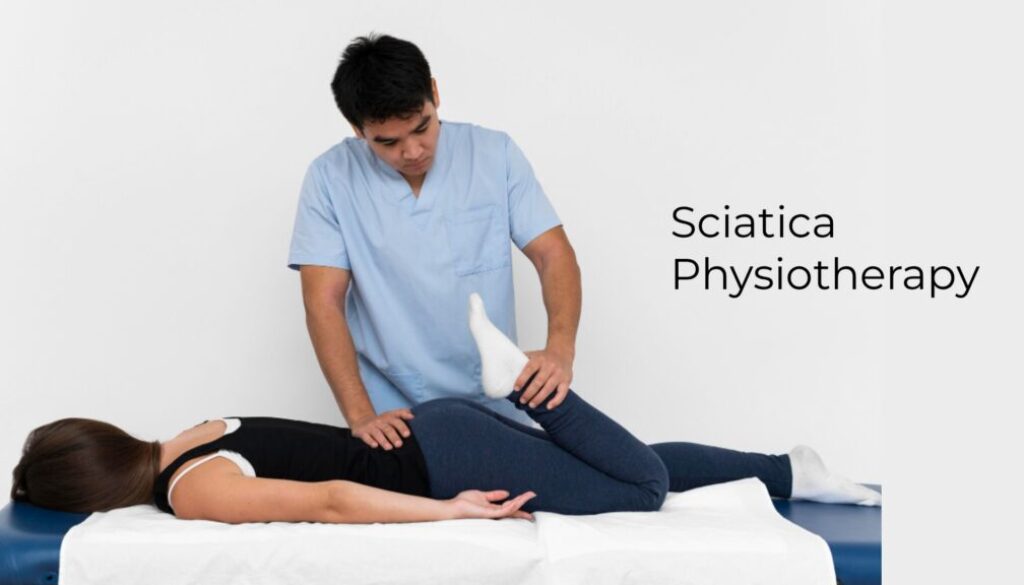
Sciatica Physiotherapy: Effective Treatment & Pain Relief
Living with sciatica can transform everyday activities into painful challenges. That shooting pain radiating down your leg, the tingling sensations, and the persistent discomfort can disrupt your work, sleep, and quality of life. If you’re searching for effective sciatica physiotherapy treatment in Bangalore, you’re taking the first crucial step toward recovery.
At Physio At Your Doorstep, we understand that managing sciatica requires more than just temporary pain relief—it demands a comprehensive approach that addresses the root cause while providing you the comfort of receiving treatment at home. This guide explores everything you need to know about sciatica physiotherapy treatment, from understanding the condition to implementing effective exercises and recovery strategies.
Understanding Sciatica: What’s Actually Happening in Your Body
Sciatica isn’t a disease itself but rather a symptom of an underlying condition affecting the sciatic nerve—the largest nerve in your body. This nerve originates from your lower spine, runs through your buttocks, and extends down the back of each leg to your feet.
What Causes Sciatica Pain?
The pain you experience happens when something compresses, irritates, or inflames the sciatic nerve. Common causes include:
Herniated or Bulging Discs: The most frequent culprit, occurring when the soft cushioning between your vertebrae pushes out and presses against nerve roots. Research indicates this accounts for approximately 90% of sciatica cases.
Spinal Stenosis: A narrowing of the spinal canal that puts pressure on nerves, particularly common in people over 50.
Piriformis Syndrome: When the piriformis muscle in your buttocks becomes tight or spasms, it can compress the sciatic nerve running beneath it.
Degenerative Disc Disease: Age-related wear and tear on spinal discs can lead to nerve compression.
Spondylolisthesis: When one vertebra slips forward over another, potentially pinching nerve roots.
Recognizing Sciatica Symptoms
Understanding your symptoms helps physiotherapists develop targeted treatment plans. Typical sciatica symptoms include:
- Sharp, shooting pain radiating from your lower back through your buttock and down one leg
- Burning or tingling sensations (often described as “pins and needles”)
- Numbness in the affected leg or foot
- Muscle weakness that makes it difficult to move your leg or foot
- Pain that worsens when sitting, standing for long periods, or making sudden movements
- Difficulty standing up straight or walking
Most people experience sciatica on one side only, though bilateral sciatica can occur in rare cases.
Why Physiotherapy is the Gold Standard for Sciatica Treatment
Physiotherapy interventions are prescribed as first-line treatment for people with sciatica, and for good reason. Unlike medications that merely mask symptoms, physiotherapy addresses the underlying mechanical dysfunction causing your pain.
The Science Behind Physiotherapy for Sciatica
Clinical studies demonstrate that early physiotherapy intervention—within 90 days of symptom onset—significantly improves both pain levels and functional ability. The treatment works by:
- Reducing Nerve Compression: Targeted manual therapy and exercises create space around compressed nerves
- Decreasing Inflammation: Movement promotes blood flow, delivering oxygen and nutrients to irritated tissues
- Strengthening Supporting Muscles: Building core and lower back strength prevents future episodes
- Improving Flexibility: Stretching tight muscles that may be contributing to nerve compression
- Correcting Movement Patterns: Teaching proper body mechanics reduces strain on your spine
What Makes Home-Based Physiotherapy Effective
When dealing with sciatica, traveling to a clinic can aggravate your symptoms. Home-based physiotherapy services offer distinct advantages:
- Comfort During Treatment: Receive care in your familiar environment without painful commutes
- Personalized Attention: One-on-one sessions focused entirely on your recovery
- Environmental Assessment: Your physiotherapist can evaluate and modify your home setup to prevent symptom aggravation
- Consistent Follow-Through: Easier adherence to treatment schedules when therapy comes to you
- Family Education: Loved ones can learn how to support your recovery journey
Comprehensive Sciatica Physiotherapy Treatment Approaches
A structured physiotherapy program progresses through distinct phases, each targeting specific recovery goals.
Initial Assessment and Pain Management (Weeks 1-2)
Your first physiotherapy session involves a thorough evaluation:
- Detailed Pain History: Understanding when symptoms began, aggravating factors, and pain patterns
- Physical Examination: Testing reflexes, muscle strength, sensation, and range of motion
- Functional Assessment: Evaluating how sciatica impacts your daily activities
- Straight Leg Raise Test: A diagnostic maneuver to confirm nerve involvement
During the acute phase, treatment focuses on providing immediate pain relief through:
Manual Therapy Techniques
- Gentle spinal mobilizations to reduce pressure on nerve roots
- Soft tissue massage to release muscle tension in the lower back and buttocks
- Myofascial release targeting tight hip flexors and hamstrings
Passive Modalities
- Therapeutic heat application to relax muscles and improve circulation
- Cold therapy to reduce inflammation during acute flare-ups
- TENS (Transcutaneous Electrical Nerve Stimulation) for natural pain relief
- Ultrasound therapy to promote tissue healing
Gentle Movement Education Your physiotherapist will teach you optimal positions for sleeping, sitting, and standing that minimize nerve irritation. This education empowers you to manage symptoms between treatment sessions.
Progressive Strengthening Phase (Weeks 3-6)
As acute pain subsides, treatment shifts toward building resilience:
Core Stabilization Exercises A strong core acts as a natural brace for your spine. Your physiotherapy program will include:
- Pelvic tilts to activate deep core muscles
- Modified planks building endurance in stabilizing muscles
- Dead bug exercises improving coordination between core and limbs
- Bridge variations strengthening glutes and lower back
Targeted Lower Body Strengthening
- Hip abductor exercises addressing weakness patterns
- Hamstring strengthening through controlled movements
- Quadriceps exercises ensuring balanced leg strength
- Calf raises improving lower leg function
Nerve Mobilization Techniques Nerve glide includes active or passive techniques on a symptomatic nerve when it is placed into and out of tension to facilitate movement and reduce symptoms. These “neural flossing” exercises help your sciatic nerve move freely within surrounding tissues, reducing irritation as you move.
Advanced Rehabilitation and Prevention (Weeks 7-12)
The final phase prepares you for long-term success:
- Functional Movement Training: Practicing real-life movements like lifting, bending, and reaching with proper form
- Sport-Specific Exercises: If you’re an athlete, gradual return to your sport with modified training
- Ergonomic Education: Optimizing your workspace and daily environment
- Maintenance Program: Establishing a sustainable exercise routine to prevent recurrence
Essential Sciatica Relief Exercises You Can Do at Home
While professional guidance is crucial, these exercises can complement your physiotherapy treatment. Always consult your physiotherapist before starting any new exercise program.
Stretching Exercises for Immediate Relief
- Knee-to-Chest Stretch This gentle stretch reduces pressure on your lower spine:
- Lie on your back with knees bent, feet flat
- Slowly bring one knee toward your chest, clasping hands behind your thigh
- Hold for 20-30 seconds, feeling a comfortable stretch in your lower back
- Repeat 3 times per leg, twice daily
- Piriformis Stretch (Figure-4 Position) Perfect for addressing piriformis syndrome:
- Lie on your back with both knees bent
- Cross your right ankle over your left knee, creating a “4” shape
- Gently pull your left thigh toward your chest
- Hold for 30 seconds, breathing deeply
- Switch sides and repeat 3 times
- Child’s Pose This yoga-inspired position elongates your spine:
- Start on hands and knees (tabletop position)
- Sit back onto your heels, extending arms forward
- Rest your forehead on the floor or a cushion
- Hold for 1-5 minutes, allowing gravity to gently decompress your spine
- Hamstring Stretch Tight hamstring muscles can pull on your pelvis and increase stress on your lower back, which can irritate your sciatic nerve:
- Stand with your affected leg extended forward on a low step
- Keep your back straight and hinge forward from your hips
- Hold for 15-30 seconds when you feel a gentle stretch
- Repeat 3 times, performing 2-3 times daily
Strengthening Exercises for Long-Term Recovery
- Pelvic Tilts Foundation exercise for core activation:
- Lie on your back with knees bent
- Gently tilt your pelvis, pressing your lower back into the floor
- Hold for 5 seconds, then release
- Perform 10-15 repetitions, 2-3 times daily
- Glute Bridges Strengthens buttocks and lower back:
- Lie on your back with knees bent, feet hip-width apart
- Squeeze your glutes and lift your hips off the ground
- Hold for 5 seconds at the top
- Lower slowly and repeat 10-15 times
- Bird Dog Exercise Improves core stability and balance:
- Start on hands and knees
- Extend your right arm forward and left leg backward simultaneously
- Hold for 5-10 seconds, maintaining a neutral spine
- Return to start and switch sides
- Complete 8-10 repetitions per side
- Wall Sits Builds lower body endurance:
- Stand with your back against a wall
- Slide down until your thighs are parallel to the floor
- Hold for 15-30 seconds
- Gradually increase duration as strength improves
Expert Tips for Managing Sciatica Pain Daily
Beyond formal physiotherapy treatment and exercises, these strategies can significantly impact your recovery:
Optimizing Your Sleep Position
Sleep quality directly affects healing. Try these positions:
- Side Sleeping: Place a pillow between your knees to maintain spinal alignment
- Back Sleeping: Put a pillow under your knees to reduce lower back curve
- Avoid Stomach Sleeping: This position can increase spinal stress
Modifying Your Workspace
If you work at a desk:
- Adjust chair height so feet rest flat on the floor
- Position your computer screen at eye level
- Take standing breaks every 30-45 minutes
- Consider a standing desk converter for position variety
Activity Modification Guidelines
What to Avoid:
- Prolonged sitting (limit to 30-minute intervals)
- Heavy lifting, especially with twisting
- High-impact activities during acute phases
- Forward bending with straight legs
What to Embrace:
- Regular walking (even 10-minute intervals helps)
- Swimming and water aerobics (low-impact movement)
- Yoga and gentle stretching
- Maintaining regular daily activities as tolerated
Heat and Cold Therapy
Strategic use of temperature can provide relief:
- Cold Packs: Apply for 15-20 minutes during the first 72 hours of acute pain to reduce inflammation
- Heat Therapy: Use after the initial acute phase to relax muscles and improve blood flow
- Contrast Therapy: Alternating heat and cold can be particularly effective for some individuals
When to Seek Immediate Medical Attention
While most sciatica resolves with conservative treatment, certain symptoms require urgent evaluation:
- Severe weakness or inability to move your leg
- Loss of bladder or bowel control
- Progressive numbness in the groin or inner thighs (saddle anesthesia)
- Severe pain that doesn’t improve with rest
- Symptoms following significant trauma
These could indicate cauda equina syndrome, a rare but serious condition requiring immediate surgical intervention.
Understanding Your Recovery Timeline
Patience is crucial when recovering from sciatica. Here’s what to expect:
First 4-8 Weeks: The majority of cases do not require any imaging and typically resolve within 4-8 weeks with targeted physiotherapy intervention. You should notice gradual pain reduction and improved mobility.
2-3 Months: Most people achieve significant functional improvement. You’ll likely return to normal activities with modifications.
3-6 Months: Full recovery for the majority of patients. Some may experience occasional mild symptoms with overexertion.
Chronic Cases: If symptoms persist beyond 12 weeks, additional interventions like advanced imaging or specialist consultations may be necessary.
The Role of Lifestyle Modifications in Recovery
Your daily habits significantly influence recovery outcomes:
Weight Management
Excess weight increases pressure on your spine. Even losing 5-10% of body weight can significantly reduce symptoms.
Smoking Cessation
Smoking reduces blood flow to spinal discs, impairing healing. Quitting improves your recovery prospects.
Stress Management
Chronic stress increases muscle tension and pain perception. Consider:
- Mindfulness meditation
- Deep breathing exercises
- Progressive muscle relaxation
- Adequate sleep (7-9 hours nightly)
Proper Nutrition
Anti-inflammatory foods support healing:
- Fatty fish (salmon, mackerel) rich in omega-3s
- Colorful fruits and vegetables packed with antioxidants
- Whole grains providing sustained energy
- Adequate hydration (8-10 glasses water daily)
Preventing Future Sciatica Episodes
Once you’ve recovered, prevention becomes paramount. Your physiotherapy treatment plan should include long-term strategies:
Maintaining Core Strength
Continue core exercises 3-4 times weekly. Strong core muscles provide natural spinal support.
Proper Lifting Mechanics
Always:
- Bend at your knees, not your waist
- Keep loads close to your body
- Avoid twisting while lifting
- Ask for help with heavy items
Regular Physical Activity
Aim for 150 minutes of moderate aerobic activity weekly. Walking, swimming, and cycling are excellent low-impact options.
Posture Awareness
Maintain good posture throughout your day:
- Stand tall with shoulders back
- Sit with lower back supported
- Avoid crossing your legs when seated
- Take regular movement breaks
Comprehensive Care at Physio At Your Doorstep
Our approach to sciatica physiotherapy treatment combines evidence-based techniques with personalized care. Founded by Dr. Atharva Mishra, we bring professional physiotherapy services directly to your doorstep across Bangalore.
Why Choose Home-Based Treatment?
When you choose Physio At Your Doorstep, you receive:
- Expert Assessment: Thorough evaluation to identify your specific sciatica cause
- Customized Treatment Plans: Protocols tailored to your symptoms, lifestyle, and goals
- Flexible Scheduling: Same-day appointments available for acute cases
- Comprehensive Education: Empowering you with knowledge to manage and prevent recurrence
- Continuous Support: Regular follow-ups ensuring optimal recovery progress
Our physiotherapists specialize in orthopedic physiotherapy, with extensive experience treating sciatica and related spinal conditions. Whether you’re in JP Nagar, BTM Layout, Koramangala, HSR Layout, or anywhere else in Bangalore, professional help is just a call away.
Integration with Other Services
Sciatica recovery sometimes benefits from multidisciplinary approaches. We can coordinate with other healthcare providers and offer complementary services like sports physiotherapy for athletes or geriatric physiotherapy for older adults dealing with age-related spinal changes.
Take the First Step Toward Relief Today
Living with sciatica doesn’t have to mean accepting constant pain and limited mobility. With proper physiotherapy treatment, most people achieve significant improvement and return to their normal activities without surgery or long-term medication use.
At Physio At Your Doorstep, we’re committed to providing exceptional care that addresses not just your symptoms but the underlying causes of your sciatica. Our home-based approach ensures you receive personalized, professional treatment in the comfort of your own environment.
Don’t let sciatica control your life any longer. Whether you’re experiencing your first episode or dealing with recurring symptoms, early intervention provides the best outcomes. Our experienced team is ready to help you develop a comprehensive treatment plan tailored to your specific needs.
Ready to start your recovery journey? Contact Physio At Your Doorstep today at +91 82337 87737 or email us at physioatyourdoorstep24x7@gmail.com to book your first assessment. Same-day appointments are available for acute cases, and we serve all areas across Bangalore.
Remember, the sooner you begin treatment, the faster your path to recovery. Take control of your sciatica today with professional physiotherapy care delivered right to your doorstep.
Additional Resources
For more information about our physiotherapy services and how we can help with various conditions:
- Online Physiotherapy Consultation – Virtual consultations available for those unable to schedule home visits
- Neurological Physiotherapy – For conditions affecting the nervous system
- Corporate Wellness Programs – Workplace injury prevention and wellness
External Resources for Further Reading
- National Institute of Neurological Disorders and Stroke – Comprehensive information about sciatica and nerve health
- American Physical Therapy Association – Evidence-based physiotherapy guidelines
- Spine-Health.com – Patient education resources about spinal conditions
- Cleveland Clinic – Medical information about sciatica diagnosis and treatment
Disclaimer: This article is for informational purposes only and does not constitute medical advice. Always consult with qualified healthcare professionals for diagnosis and treatment recommendations specific to your condition. Individual results may vary, and outcomes depend on various factors including condition severity, treatment adherence, and overall health status.
About the Author: This comprehensive guide was developed by the expert team at Physio At Your Doorstep, Bangalore’s premier home-based physiotherapy service founded by Dr. Atharva Mishra. Our physiotherapists combine years of clinical experience with evidence-based practices to deliver exceptional patient care.