
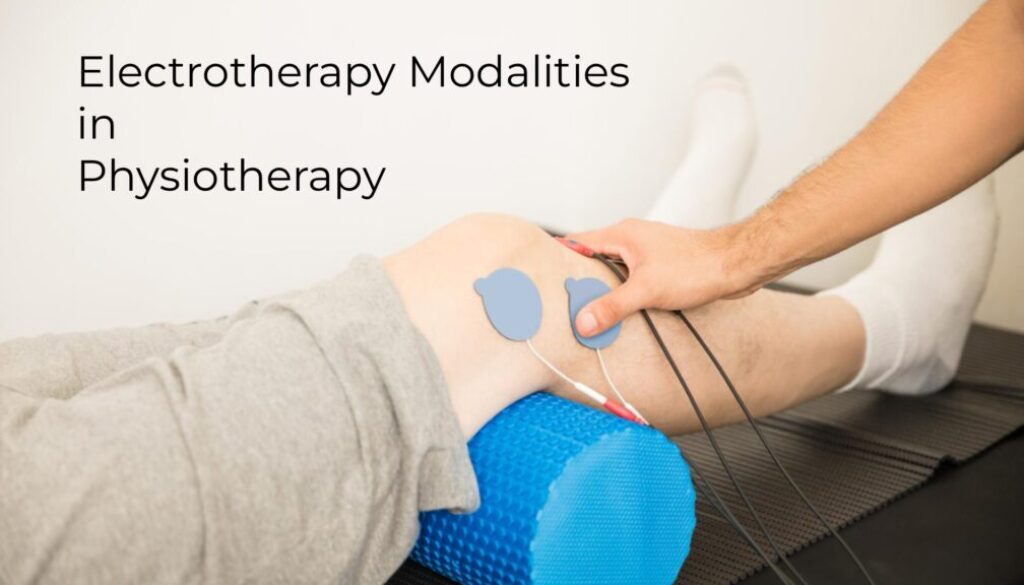
Electrotherapy Modalities in Physiotherapy: Uses and Care
You’ve probably heard a physiotherapist mention TENS, IFT, or ultrasound therapy. Maybe you’ve even had one of these treatments applied during a session without fully understanding what was happening or why. That’s more common than you’d think.
Electrotherapy is one of the oldest tool sets in physiotherapy practice, and it remains one of the most widely used globally. But in recent years, the conversation around it has shifted significantly. Modern physiotherapy now places active, exercise-based rehabilitation at the centre of treatment, while electrotherapy modalities are used as adjuncts at the right stage of healing.
This guide explains what electrotherapy modalities are, how each one works physiologically, which conditions they are used for, what the current evidence says, and how to ensure you’re receiving the right treatment at the right time.
What Is Electrotherapy in Physiotherapy?
Electrotherapy refers to the therapeutic application of electrical energy and electromagnetic agents to the body with the goal of producing a physiological change that supports healing, pain relief, or functional improvement. According to the research literature, these agents are more precisely known as electrophysical agents (EPAs).
The key distinction is this: the modality itself does not heal you. What it does is introduce energy (electrical, sound, light, or thermal) into your tissues in a way that triggers the body’s own physiological responses. Those responses, whether increased circulation, reduced nerve conduction velocity, or stimulated tissue repair, are what create the therapeutic benefit.
It is also important to understand that no two electrotherapy treatments are identical. Dose, frequency, intensity, application time, and the phase of healing all determine whether a modality is effective or not. Research from Tim Watson, a leading authority in electrotherapy, consistently highlights that many negative findings in the literature can be attributed to suboptimal dosing rather than the modality itself being ineffective.
Classification of Electrotherapy Modalities
Electrotherapy modalities are broadly grouped into three categories.
Electrical Stimulation Modalities include TENS, NMES, IFT, and iontophoresis. These use electrical current to stimulate nerves or muscles directly.
Thermal Agents include shortwave diathermy, therapeutic ultrasound at higher doses, and microwave diathermy. These produce heat in deeper or superficial tissues to increase blood flow, extensibility, and cellular activity.
Non-Thermal Agents include pulsed shortwave therapy, low-level laser therapy (LLLT), and therapeutic ultrasound at lower doses. These do not produce measurable tissue heating but still trigger biological responses at the cellular level.
Key Electrotherapy Modalities: How They Work and When They Are Used
1. Transcutaneous Electrical Nerve Stimulation (TENS)
TENS is one of the most widely used electrotherapy modalities in physiotherapy. It delivers low-voltage electrical current through electrodes placed on the skin and works primarily through two mechanisms:
The Gate Control Theory (Melzack and Wall, 1965) proposes that electrical stimulation of large-diameter sensory nerve fibres closes a “gate” in the spinal cord, reducing the transmission of pain signals from smaller, slower pain fibres to the brain. High-frequency TENS (80–150 Hz) activates this mechanism, providing rapid pain relief.
The Endorphin Release Mechanism involves low-frequency TENS (2–10 Hz), which stimulates the release of endogenous opioids including beta-endorphins and met-enkephalin, providing longer-lasting but delayed pain relief.
TENS is used for chronic musculoskeletal pain, nerve pain, post-surgical pain, osteoarthritis, and as part of labour pain management. It is non-invasive, can be used at home with appropriate guidance, and has a strong safety record. Notably, it is one of the few electrotherapy modalities where the evidence remains meaningful for short-term pain relief, though the 2019 Cochrane review on chronic pain noted that the quality of long-term evidence remains low, warranting cautious interpretation.
Contraindications: cardiac pacemaker, pregnancy (over abdomen or uterus), active malignancy, epilepsy, and broken or irritated skin at electrode sites.
2. Interferential Therapy (IFT)
Interferential therapy uses two medium-frequency alternating currents (typically around 4,000 Hz) applied through four electrodes positioned so the currents intersect within the target tissue. Where the two currents interfere with each other, they produce a low-frequency beat frequency, usually between 1 and 150 Hz, within the deeper tissue itself.
This is a significant advantage over standard TENS. Medium-frequency currents meet less skin resistance and penetrate deeper into tissue, while the interference effect produces low-frequency stimulation at depth without the discomfort of applying low-frequency current at the skin surface.
The physiological effects of IFT include analgesia through the same gate control and opioid mechanisms as TENS, reduction of oedema through improved circulation, and muscle stimulation at certain beat frequencies.
IFT is commonly used in Indian physiotherapy practice for conditions including back pain, knee osteoarthritis, shoulder pain, post-surgical oedema, and acute soft tissue injuries once the very acute phase has resolved. Many patients receiving orthopaedic physiotherapy or post-surgical physiotherapy at home benefit from IFT as part of their initial pain management before active exercises are progressed.
3. Neuromuscular Electrical Stimulation (NMES)
NMES applies electrical impulses to stimulate motor nerves, causing muscle contraction. Unlike TENS, which targets sensory nerves for pain relief, NMES directly activates muscle fibres. It is used primarily for:
- Maintaining or restoring muscle mass and strength during periods of immobilisation (such as after orthopaedic surgery or in patients with neurological conditions)
- Re-educating muscles that have lost voluntary control due to neurological damage
- Managing muscle atrophy in patients with spinal cord injuries, stroke, or prolonged bed rest
- Facilitating gait training in patients with foot drop
A closely related modality, Functional Electrical Stimulation (FES), uses electrical stimulation to produce functionally useful movements. FES has well-established evidence for improving upper limb function in stroke rehabilitation and is now integrated into neurological physiotherapy protocols.
In geriatric physiotherapy, NMES is particularly valuable for maintaining muscle mass in older adults with sarcopenia, especially when voluntary exercise capacity is limited.
4. Therapeutic Ultrasound
Despite sharing a name with diagnostic imaging ultrasound, therapeutic ultrasound operates on different principles and is used exclusively for treatment. It delivers high-frequency sound waves (0.5 to 3 MHz) through a coupling medium (usually gel) into the body’s tissues.
The effects are classified as:
Thermal effects occur at higher intensities and continuous modes. The mechanical energy of the sound waves is converted to heat within the tissue. This increases tissue metabolism, enhances extensibility of collagen, and improves local blood flow. These effects are particularly useful for scar tissue management, chronic tendinopathies, and pre-exercise tissue preparation.
Non-thermal (mechanical) effects occur at lower intensities, particularly in pulsed mode. These include cavitation (oscillation of microscopic gas bubbles) and acoustic streaming (movement of fluid), which are thought to influence tissue repair at the cellular level by enhancing membrane permeability and promoting the inflammatory and proliferative phases of healing.
The evidence for therapeutic ultrasound is mixed. A 2020 Cochrane review found little to no difference between therapeutic ultrasound and placebo for chronic low back pain. However, evidence supports its use as part of a comprehensive treatment plan for conditions such as calcific tendinitis of the shoulder, carpal tunnel syndrome (at specific parameters), and delayed wound healing. The key, as with all electrotherapy, is appropriate patient selection, correct dosing, and integration with active rehabilitation.
Patients undergoing physiotherapy in pregnancy should note that therapeutic ultrasound is contraindicated over the uterus and abdomen during pregnancy.
5. Shortwave Diathermy (SWD)
Shortwave diathermy uses high-frequency electromagnetic energy (usually 27.12 MHz) to heat deep tissues. It comes in two forms:
Continuous SWD produces significant thermal effects in deep tissues, including muscles, joint capsules, and tendons at depths of up to 5 cm. It is used for chronic joint stiffness, deep muscle spasm, and sub-acute or chronic inflammatory conditions once active inflammation has settled.
Pulsed SWD (PSWD) operates at much lower average intensities and produces primarily non-thermal effects. It is used in the acute phase for reducing pain and oedema without the risks associated with applying significant heat to an inflamed area. Some evidence supports its use for acute soft tissue injuries, post-surgical recovery, and wound healing.
SWD is contraindicated in patients with metal implants in the treatment area, cardiac pacemakers, malignancy, and active infection.
6. Low-Level Laser Therapy (LLLT) / Photobiomodulation
Low-level laser therapy (LLLT), increasingly referred to as photobiomodulation (PBM), uses low-intensity laser or non-coherent light to stimulate biological processes at the cellular level. Unlike surgical lasers, LLLT does not produce heat. Instead, it is absorbed by photoreceptors in the mitochondria, triggering a cascade of effects including:
- Increased ATP production (cellular energy)
- Reduced oxidative stress and inflammation
- Enhanced tissue repair and collagen synthesis
- Modulation of pain signalling
LLLT has a growing body of evidence supporting its use for musculoskeletal conditions. A notable systematic review published in BMJ Open Sport and Exercise Medicine (2019) found moderate evidence for LLLT in reducing pain and improving function in chronic musculoskeletal conditions including shoulder tendinopathy, neck pain, and lateral epicondylitis. It is increasingly used in sports physiotherapy for soft tissue injuries, tendon pathologies, and facilitating return to play.
7. Iontophoresis
Iontophoresis uses a low-level direct electrical current to drive ionised medication through the skin into the underlying tissue. This allows targeted drug delivery to a specific area without injections or systemic effects.
Common medications delivered via iontophoresis include dexamethasone (a corticosteroid for localised inflammation), lidocaine (a local anaesthetic), and acetic acid (used for calcific deposits). It is used for conditions such as plantar fasciitis, bursitis, tendinitis, and hyperhidrosis.
While iontophoresis is widely used clinically, the evidence base remains relatively limited, with most studies showing modest benefits for conditions like lateral epicondylitis and plantar fasciitis. It is typically used as an adjunct to manual therapy and exercise rather than as a standalone treatment.
8. Pulsed Electromagnetic Field Therapy (PEMF)
PEMF uses alternating electromagnetic fields to influence cellular processes. It is distinct from continuous shortwave diathermy in that it does not produce thermal effects. PEMF is thought to modulate ion transport across cell membranes, influence bone remodelling, and support tissue repair.
Evidence supports PEMF for bone healing (particularly non-union fractures), osteoporosis management, and knee osteoarthritis. A Cochrane review found some evidence of benefit for knee osteoarthritis, though the overall quality of evidence was moderate and further high-quality trials are needed.
Electrotherapy and the Current Evidence: An Honest Assessment
It would be misleading to suggest that all electrotherapy modalities have equal, robust evidence behind them. The current scientific literature is honest about this.
The shift in physiotherapy practice over the past two decades has moved decisively toward active, exercise-based rehabilitation as the primary treatment for most musculoskeletal conditions. Professional organisations worldwide, including the World Confederation for Physical Therapy, consistently emphasise that passive modalities such as electrotherapy should complement, not replace, active rehabilitation approaches.
This position is not a dismissal of electrotherapy. It is a recognition that:
- Electrotherapy is most effective when used strategically, at the right dose, at the right phase of healing, for the right patient
- Used inappropriately or as the sole treatment, it offers limited benefit
- Combined with manual therapy and exercise, certain electrotherapy modalities do contribute to faster recovery and better short-term symptom control
- Patient preference, clinical presentation, and safety must always guide modality selection
The principle articulated by leading researchers is clear: used wisely and at the appropriate dose, electrotherapy has genuine therapeutic value. Used indiscriminately, it is unlikely to yield meaningful results.
Conditions Where Electrotherapy Modalities Are Commonly Integrated Into Treatment
Condition | Commonly Used Modalities |
Chronic low back pain | TENS, IFT, PSWD, therapeutic ultrasound |
Knee osteoarthritis | IFT, TENS, PEMF, therapeutic ultrasound |
Shoulder tendinopathy | LLLT, therapeutic ultrasound, IFT |
Post-surgical rehabilitation | TENS, NMES, IFT, PSWD |
Stroke and neurological conditions | NMES, FES, TENS |
Sports injuries (acute phase) | TENS, PSWD, cryotherapy combined |
Plantar fasciitis | Iontophoresis, LLLT, ultrasound |
Peripheral neuropathy | TENS, LLLT |
Cervical spondylosis | IFT, TENS, shortwave diathermy |
Muscle atrophy / weakness | NMES |
Contraindications Shared Across Most Electrotherapy Modalities
While specific contraindications vary by modality, some are common across most electrotherapy treatments and must always be assessed before application:
- Cardiac pacemakers or implanted electronic devices
- Active malignancy in or near the treatment area
- Pregnancy (especially over the uterus, abdomen, or lumbar region)
- Deep vein thrombosis (DVT) in the treatment area
- Active infection or open wounds at electrode/probe sites
- Impaired or absent skin sensation in the treatment area
- Epilepsy (with some modalities)
- Areas of active haemorrhage
Patients with conditions such as diabetes, peripheral vascular disease, or neurological impairment require careful evaluation before treatment, as compromised sensation increases the risk of thermal or electrical injury.
What to Expect During an Electrotherapy Session
If you have never received electrotherapy as part of a physiotherapy session, knowing what to expect helps reduce anxiety and improves your ability to communicate with your therapist.
Before any treatment begins, your physiotherapist will conduct a thorough assessment of your condition, medical history, and current medications. This is essential for identifying contraindications and selecting the appropriate modality and parameters.
During treatment, you will typically be positioned comfortably. Electrodes, probes, or pads will be placed on or near the target area. Most electrical modalities produce a mild tingling or buzzing sensation. This should not be painful. Your therapist will adjust intensity based on your feedback. Sessions typically last between 15 and 30 minutes, depending on the modality and condition.
After the session, your physiotherapist will usually progress you into manual therapy, therapeutic exercise, or patient education as part of the broader treatment plan. Electrotherapy is rarely, if ever, an appropriate standalone treatment.
At Physio at Your Doorstep, all electrotherapy sessions are conducted in your home environment across Bangalore. Our physiotherapists bring portable clinical-grade equipment and integrate electrotherapy as part of a personalised, evidence-based treatment programme. If you or a family member requires physiotherapy at home, you can book an appointment here.
How Electrotherapy Fits Into Home-Based Physiotherapy
One of the most practical advantages of home-based physiotherapy is that electrotherapy modalities do not require a clinic setting. Modern portable devices for TENS, IFT, NMES, and LLLT allow trained physiotherapists to deliver these treatments wherever the patient is.
This is particularly beneficial for older adults who find clinic visits difficult, patients recovering from surgery who are not yet mobile, pregnant women who require physiotherapy management, and children with neurological or developmental conditions requiring consistent therapy.
Our online physiotherapy consultation service allows patients to connect with our team for initial guidance, triage, and treatment planning before a home visit is arranged.
Physiotherapy Beyond Electrotherapy: The Bigger Picture
It is worth emphasising that electrotherapy is one component in a comprehensive physiotherapy toolkit, not the entirety of it. Modern physiotherapy that produces lasting results combines several approaches:
Manual therapy including joint mobilisation, soft tissue techniques, and neural mobilisation addresses structural and biomechanical dysfunction directly.
Therapeutic exercise including strength training, neuromuscular re-education, proprioception training, and stretching, remains the cornerstone of rehabilitation for the vast majority of conditions.
Patient education on posture, movement patterns, activity modification, and self-management strategies empowers patients to take control of their own recovery.
Electrotherapy modalities support this process by managing pain, reducing inflammation, facilitating muscle activation, and promoting tissue repair at stages of healing where these goals are appropriate.
For patients dealing with complex neurological conditions, our neurological physiotherapy service integrates all of these approaches, including NMES and FES where indicated. For children with developmental challenges, our pediatric physiotherapy team tailors treatment to age-appropriate needs. For those returning from surgery, post-surgical physiotherapy protocols at Physio at Your Doorstep ensure a structured, safe return to function.
Resources
The following peer-reviewed publications and clinical resources form part of the evidence base for this article:
- Watson, T. (2008). Electrotherapy: Evidence Based Practice (12th ed.). Churchill Livingstone – Elsevier. Electrotherapy.org
- Physiopedia: Current Concepts in Electrotherapy
- Page MJ, Green S, McBain B, et al. Electrotherapy modalities for rotator cuff disease. Cochrane Database of Systematic Reviews. 2016. PMC Article
- Johnson, M.I. Transcutaneous Electrical Nerve Stimulation (TENS): Research to support clinical practice. Oxford University Press. 2014.
- Leal-Junior EC, et al. Photobiomodulation therapy and musculoskeletal conditions. BMJ Open Sport & Exercise Medicine. 2019.
- Nadler SF, Weingand K, Kruse RJ. The Physiologic Basis and Clinical Applications of Cryotherapy and Thermotherapy. Pain Physician. 2004. PubMed
This article is authored by the physiotherapy team at Physio at Your Doorstep, Bangalore, and is reviewed for clinical accuracy. It is intended for educational purposes and does not replace professional medical or physiotherapy advice. Always consult a qualified physiotherapist before beginning any new treatment.
Frequently Asked Questions (FAQs)
What does electrotherapy actually do to the body?
Electrotherapy introduces electrical, electromagnetic, or sound energy into the body’s tissues. Depending on the modality and the parameters used, this can stimulate sensory nerves to reduce pain signals, activate motor nerves to produce muscle contraction, increase local circulation, promote cellular repair processes, or deliver medication through the skin. The body’s own physiological responses to these energy inputs are what produce the therapeutic benefit.
Is electrotherapy safe?
When administered by a trained physiotherapist who has conducted a thorough patient assessment, electrotherapy is very safe. Absolute contraindications (including cardiac pacemakers, active malignancy, and pregnancy over the treatment area) are well established, and qualified physiotherapists follow these guidelines carefully. Self-administered treatment with over-the-counter TENS devices is also generally safe when used according to manufacturer instructions and physiotherapist guidance.
What is the difference between TENS and IFT (interferential therapy)?
TENS uses low-frequency current applied at the skin surface to stimulate sensory nerves for pain relief. IFT uses two medium-frequency currents that intersect inside the tissue, producing a low-frequency beat effect at depth. IFT penetrates more deeply and tends to be more comfortable at the skin surface, making it a preferred choice for deeper pain or larger treatment areas. Both are used for pain management, but your physiotherapist will select the most appropriate option based on your specific condition.
Can electrotherapy replace physiotherapy exercises?
No. Electrotherapy should never be used as a replacement for active rehabilitation. Exercise-based treatment has far stronger evidence for long-term outcomes in most musculoskeletal and neurological conditions. Electrotherapy is most effective when used to manage pain or facilitate muscle activation at stages where active exercise is difficult, allowing the patient to then progress into therapeutic exercise more effectively.
How many sessions of electrotherapy will I need?
This varies considerably depending on the condition, its severity, and the modality being used. Acute conditions may respond within 3 to 6 sessions. Chronic conditions often require longer programmes. Your physiotherapist will review your progress regularly and adjust the treatment plan accordingly. There is no universal protocol, and individualisation of treatment is essential.
Is TENS effective for chronic pain?
TENS provides short-term relief for many patients with chronic pain. However, the long-term evidence is limited in quality. The 2019 Cochrane overview on TENS for chronic pain concluded that existing evidence was of low quality and could not draw definitive conclusions. This does not mean TENS does not work for individuals. Many patients report meaningful, consistent benefit. TENS is safe, non-pharmacological, and can be used at home, making it a valuable part of a chronic pain management strategy even if definitive population-level evidence is lacking.
What is NMES and when is it used in physiotherapy?
Neuromuscular electrical stimulation (NMES) uses electrical impulses to stimulate motor nerves, causing the target muscles to contract. It is used to maintain or rebuild muscle mass after injury or surgery, re-educate muscles that have lost voluntary control due to neurological damage (such as after stroke or spinal cord injury), and support early rehabilitation when the patient cannot voluntarily activate the muscle strongly enough.
Can electrotherapy be used for neurological conditions like stroke?
Yes. Functional electrical stimulation (FES), a specialised form of NMES, has established evidence for improving upper limb function and gait in stroke survivors. TENS can also be used for pain management in neurological conditions. NMES helps prevent and reverse muscle atrophy in patients with reduced mobility. These modalities are integrated into neurological physiotherapy programmes under careful clinical supervision.
Is electrotherapy suitable for elderly patients?
Yes, with appropriate precautions. Older adults often have multiple comorbidities, reduced skin sensation, and impaired circulation, all of which require careful assessment before electrotherapy is applied. When used appropriately, TENS, IFT, and NMES are safe and effective for elderly patients. NMES in particular is valuable in geriatric care for managing sarcopenia and supporting functional rehabilitation. Our geriatric physiotherapy service is specifically designed to address the unique needs of older adults, with experienced physiotherapists who assess all relevant risk factors before treatment.
Where can I receive electrotherapy physiotherapy at home in Bangalore?
Physio at Your Doorstep provides professional physiotherapy services at home across Bangalore, including JP Nagar, BTM Layout, Jayanagar, Koramangala, HSR Layout, Whitefield, and surrounding areas. Our physiotherapists bring portable clinical-grade electrotherapy equipment to your home and integrate it into a personalised treatment programme. Book an appointment here or explore our full range of physiotherapy services.