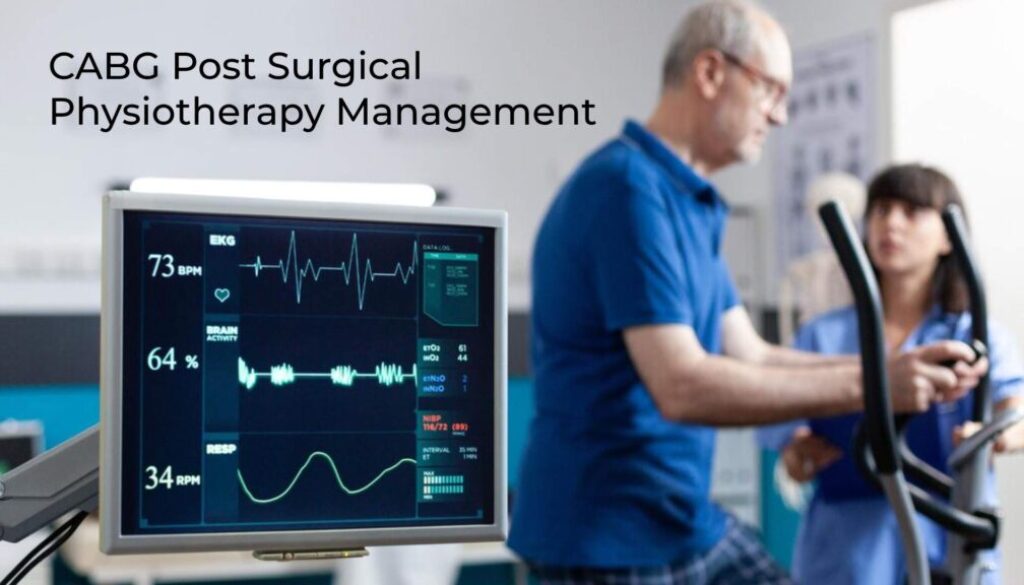
CABG Post Surgical Physiotherapy Management: Rehab Guide
Comprehensive cardiac rehabilitation and physiotherapy management after Coronary Artery Bypass Graft surgery. Expert home-based care available across Bangalore, effective recovery.
Introduction
Coronary Artery Bypass Graft (CABG) surgery represents one of the most significant cardiac interventions, offering life-saving treatment for patients with severe coronary artery disease. While this procedure has excellent success rates and can dramatically improve quality of life, the post-surgical recovery process is equally crucial for achieving optimal outcomes. CABG post surgical physiotherapy management has emerged as an essential component of comprehensive cardiac rehabilitation, significantly improving recovery times, functional capacity, and long-term cardiovascular health.
In India, where cardiovascular disease affects over 45 million people and CABG surgeries are performed in leading cardiac centers across Mumbai, Delhi, Bangalore, and Chennai, the importance of structured post-surgical rehabilitation cannot be overstated. The transition from intensive cardiac care to home recovery requires careful planning, expert guidance, and specialized physiotherapy interventions that address both the physical and psychological aspects of cardiac surgery recovery.
Modern cardiac rehabilitation, particularly home-based physiotherapy management, has revolutionized CABG recovery by providing personalized, safe, and effective treatment in the comfort of familiar surroundings. This approach not only enhances patient comfort and family involvement but also ensures continuous monitoring and graduated exercise progression that is essential for cardiac patients.
Understanding the complexities of CABG recovery and the critical role of physiotherapy in this process empowers patients and families to make informed decisions about their post-surgical care. This comprehensive guide explores every aspect of CABG post surgical physiotherapy management, from immediate post-operative care to long-term cardiovascular health maintenance, providing valuable insights for patients, caregivers, and healthcare providers across India’s major metropolitan areas.
Understanding CABG Surgery and the Recovery Process
What is CABG Surgery?
Coronary Artery Bypass Graft (CABG) surgery is a major cardiac procedure that creates new pathways around blocked or narrowed coronary arteries to restore blood flow to the heart muscle. This life-saving surgery involves harvesting healthy blood vessels from other parts of the patient’s body (typically the internal mammary artery, saphenous vein from the leg, or radial artery from the arm) and using them to create “bypasses” around the blocked coronary arteries.
Types of CABG Procedures:
- Traditional CABG: Performed with heart-lung machine (on-pump)
- Off-pump CABG: Performed on beating heart without heart-lung machine
- Minimally invasive CABG: Smaller incisions with specialized techniques
- Robotic-assisted CABG: Advanced robotic technology for precision
Common Indications for CABG:
- Multi-vessel coronary artery disease
- Left main coronary artery stenosis
- Failed angioplasty or stent procedures
- Acute coronary syndrome with complex anatomy
- Diabetic patients with multi-vessel disease
The Surgical Impact on the Body
CABG surgery involves significant physiological stress and requires comprehensive recovery management:
Cardiovascular System Changes:
- Temporary reduction in cardiac function
- Altered heart rhythm patterns
- Blood pressure fluctuations
- Increased risk of blood clots
- Changes in circulation patterns
Respiratory System Impact:
- Reduced lung capacity from chest incision
- Potential pleural effusion or pneumonia risk
- Weakened respiratory muscles
- Pain affecting deep breathing patterns
- Anesthesia effects on lung function
Musculoskeletal Consequences:
- Sternum (breastbone) division requiring 6-8 weeks healing
- Chest muscle weakness and stiffness
- Shoulder and neck tension from surgical positioning
- Leg incision sites (if saphenous vein harvested)
- General deconditioning from bed rest
Psychological and Cognitive Effects:
- Post-surgical depression and anxiety
- Fear of physical activity and exertion
- Cognitive changes from anesthesia and surgery
- Sleep disturbances and fatigue
- Adjustment to lifestyle modifications
Recovery Phases Overview
Phase I: Hospital Recovery (3-7 days)
- Intensive care monitoring
- Initial mobilization and breathing exercises
- Pain management and wound care
- Basic cardiac rehabilitation initiation
Phase II: Early Home Recovery (1-6 weeks)
- Sternum healing protection
- Gradual activity progression
- Wound care and infection prevention
- Basic physiotherapy interventions
Phase III: Structured Rehabilitation (6-12 weeks)
- Formal cardiac rehabilitation program
- Progressive exercise training
- Risk factor modification
- Psychosocial support and education
Phase IV: Long-term Maintenance (3 months onwards)
- Independent exercise maintenance
- Ongoing cardiovascular health management
- Lifestyle modification continuation
- Regular medical follow-up
Phases of Post-CABG Recovery and Physiotherapy Goals
Phase I: Immediate Post-Operative Period (ICU to Discharge – Days 1-7)
Primary Goals:
- Prevent post-operative complications
- Initiate early mobilization safely
- Optimize respiratory function
- Begin cardiovascular conditioning
Physiotherapy Interventions:
- Respiratory therapy: Deep breathing exercises, incentive spirometry, coughing techniques
- Early mobilization: Bedside sitting, standing, short-distance walking
- Circulation promotion: Ankle pumps, leg exercises, compression stockings
- Pain management: Positioning, gentle movement, breathing techniques
Key Milestones:
- Extubation within 24-48 hours
- Sitting at bedside by day 1-2
- Walking 50-100 meters by day 2-3
- Stair climbing before discharge
- Independent basic activities of daily living
Safety Considerations:
- Continuous cardiac monitoring
- Blood pressure and heart rate parameters
- Sternum protection during movement
- Infection prevention protocols
- Medication management coordination
Phase II: Early Home Recovery Period (Weeks 1-6)
Primary Goals:
- Promote sternum healing and wound care
- Gradually increase functional capacity
- Prevent complications and readmission
- Establish safe exercise routine
Physiotherapy Focus:
- Sternum protection education: Proper lifting, coughing, and movement techniques
- Graduated walking program: Progressive distance and duration increases
- Respiratory conditioning: Continued breathing exercises and airway clearance
- Range of motion: Gentle stretching for shoulders, chest, and incision sites
- Functional training: Safe performance of daily activities
Week 1-2 Objectives:
- Walking 5-10 minutes, 2-3 times daily
- Maintaining respiratory exercises
- Safe showering and personal care
- Proper incision care techniques
- Recognition of warning signs
Week 3-4 Objectives:
- Walking 15-20 minutes, 2 times daily
- Introduction of light household activities
- Stair climbing with proper technique
- Beginning of structured exercise routine
- Psychological adjustment support
Week 5-6 Objectives:
- Walking 20-30 minutes continuously
- Return to light work activities (if applicable)
- Increased independence in daily activities
- Preparation for formal cardiac rehabilitation
- Confidence building in physical capabilities
Phase III: Structured Cardiac Rehabilitation (Weeks 6-12)
Primary Goals:
- Restore cardiovascular fitness safely
- Return to normal functional capacity
- Modify cardiovascular risk factors
- Achieve psychological well-being
Comprehensive Physiotherapy Program:
- Aerobic conditioning: Progressive cardiovascular exercise training
- Strength training: Gradual resistance exercise introduction
- Flexibility enhancement: Comprehensive stretching and mobility program
- Functional training: Work and recreational activity preparation
- Education: Lifestyle modification and self-management skills
Exercise Prescription Components:
- Frequency: 3-5 sessions per week
- Intensity: 40-80% of heart rate reserve
- Duration: 20-60 minutes per session
- Mode: Walking, cycling, swimming, resistance training
Risk Stratification Considerations:
- Low risk: Uncomplicated recovery, good functional capacity
- Moderate risk: Some complications, limited functional capacity
- High risk: Multiple complications, poor functional capacity
Phase IV: Long-term Maintenance (3+ Months)
Primary Goals:
- Maintain cardiovascular fitness gains
- Continue risk factor modification
- Prevent future cardiac events
- Optimize quality of life
Ongoing Physiotherapy Support:
- Independent exercise program management
- Periodic assessments and program updates
- Lifestyle counseling and support
- Long-term health monitoring
- Family education and involvement
Role of Physiotherapy in CABG Recovery
Cardiovascular Rehabilitation
Exercise Tolerance Improvement: Physiotherapy plays a crucial role in gradually and safely improving cardiovascular fitness after CABG surgery.
Progressive Exercise Training:
- Heart rate-guided exercise prescription
- Gradual intensity and duration increases
- Continuous monitoring for adverse responses
- Individualized progression based on recovery status
- Integration of patient preferences and lifestyle
Cardiac Function Optimization: Structured exercise programs help restore and potentially improve cardiac function beyond pre-surgical levels.
Mechanisms of Improvement:
- Enhanced coronary collateral circulation
- Improved cardiac output and stroke volume
- Reduced resting heart rate and blood pressure
- Better oxygen utilization by muscles
- Increased overall cardiovascular efficiency
Respiratory System Recovery
Pulmonary Function Restoration: CABG surgery significantly impacts respiratory function, requiring targeted physiotherapy interventions.
Respiratory Physiotherapy Components:
- Deep breathing exercises: Prevent atelectasis and pneumonia
- Incentive spirometry: Encourage deep lung expansion
- Coughing techniques: Effective secretion clearance
- Postural drainage: If secretion retention occurs
- Breathing pattern optimization: Efficient respiratory mechanics
Prevention of Pulmonary Complications:
- Pneumonia prevention through airway clearance
- Atelectasis resolution through lung expansion
- Pleural effusion management
- Respiratory muscle strengthening
- Improved gas exchange efficiency
Musculoskeletal System Rehabilitation
Sternum Healing Support: The divided sternum requires specific protection and graduated loading for optimal healing.
Sternum Protection Strategies:
- Education about lifting restrictions (typically <5kg for 6-8 weeks)
- Proper body mechanics for daily activities
- Safe coughing and sneezing techniques
- Gradual return to upper body activities
- Monitoring for signs of sternal instability
Overall Strength and Conditioning: Comprehensive muscle conditioning addresses surgery-related deconditioning.
Strength Training Progression:
- Weeks 1-6: Light activities, no lifting restrictions
- Weeks 6-8: Gradual introduction of light weights (1-2kg)
- Weeks 8-12: Progressive resistance training
- 3+ months: Full strength training program
- Ongoing: Maintenance strength training
Psychological and Cognitive Support
Addressing Post-Surgical Depression: Cardiac surgery can trigger depression and anxiety requiring specialized intervention.
Psychological Support Strategies:
- Education about normal emotional responses
- Goal setting and achievement recognition
- Social support facilitation
- Stress management techniques
- Professional counseling referral when needed
Cognitive Function Recovery: Some patients experience temporary cognitive changes after cardiac surgery.
Cognitive Rehabilitation Approaches:
- Memory and attention training exercises
- Gradual return to complex tasks
- Family education about cognitive changes
- Patience and understanding during recovery
- Professional neuropsychological assessment if needed
Specific Physiotherapy Interventions for CABG Patients
Aerobic Exercise Training
Walking Programs: Walking forms the foundation of cardiac rehabilitation for CABG patients.
Progressive Walking Protocol:
- Week 1: 5-10 minutes, 2-3 times daily
- Week 2: 10-15 minutes, 2 times daily
- Week 3: 15-20 minutes, 2 times daily
- Week 4: 20-25 minutes, 1-2 times daily
- Week 5-6: 25-30 minutes daily
- Week 7+: 30-45 minutes, 5-6 days weekly
Heart Rate Monitoring: Safe exercise intensity determination through heart rate guidelines.
Target Heart Rate Calculation:
- Formula: (220 – age – 10) × 0.6-0.8 for moderate intensity
- RPE Scale: Rating of Perceived Exertion 11-14 (moderate intensity)
- Talk Test: Ability to hold conversation during exercise
- Symptoms: No chest pain, severe shortness of breath, or dizziness
Stationary Cycling: Low-impact cardiovascular exercise suitable for CABG patients.
Cycling Progression:
- Start with 5-10 minutes at low resistance
- Gradually increase duration before increasing intensity
- Monitor heart rate and symptoms throughout
- Consider recumbent bikes for back support
- Progress to 20-45 minutes of continuous cycling
Resistance Training
Upper Body Strengthening: Gradual reintroduction of upper body exercises after sternum healing.
Upper Body Exercise Progression:
- Weeks 1-6: No lifting >2-3kg, focus on range of motion
- Weeks 6-8: Light resistance bands and 1-2kg weights
- Weeks 8-12: Progressive weight increases to 5-10kg
- 3+ months: Full resistance training program
- Ongoing: Maintenance strength training
Lower Body Strengthening: Lower body exercises can begin earlier as they don’t stress the sternum.
Lower Body Exercise Examples:
- Chair stands and sit-to-stand exercises
- Heel and toe raises for calf strengthening
- Light leg weights for quadriceps and hamstrings
- Wall slides for gluteal strengthening
- Step-ups on low steps or platforms
Core Stabilization: Careful core strengthening that protects the healing sternum.
Safe Core Exercises:
- Deep breathing with abdominal engagement
- Gentle pelvic tilts and bridges
- Modified planks against walls
- Seated core exercises with proper support
- Progressive return to full core training after 3 months
Flexibility and Mobility Training
Chest and Shoulder Mobility: Addressing tightness and scarring from surgical incisions.
Mobility Exercises:
- Gentle arm circles and shoulder rolls
- Cross-body arm stretches
- Doorway chest stretches (after 6 weeks)
- Overhead reaching exercises
- Neck and shoulder relaxation techniques
Spinal Mobility: Maintaining spine flexibility and addressing posture changes.
Spinal Mobility Techniques:
- Gentle spinal rotation exercises
- Cat-cow stretches on hands and knees
- Seated spinal extension exercises
- Thoracic spine mobility exercises
- Postural awareness training
Functional Training
Activities of Daily Living: Helping patients safely return to normal daily activities.
ADL Training Components:
- Safe lifting and carrying techniques
- Stair climbing with proper pacing
- Household activity modifications
- Driving readiness assessment
- Work activity simulation
Recreational Activity Preparation: Gradual return to hobbies and recreational pursuits.
Recreation Considerations:
- Golf swing modifications and timing
- Swimming pool entry and exit safety
- Gardening adaptations and tool use
- Travel considerations and precautions
- Social activity participation guidelines
Benefits of Home-Based CABG Physiotherapy Management
Enhanced Safety and Monitoring
Continuous Professional Supervision: Home-based cardiac physiotherapy provides one-on-one professional attention.
Safety Advantages:
- Real-time monitoring of vital signs and symptoms
- Immediate response to any concerning changes
- Personalized exercise modification based on daily status
- Family education about emergency recognition
- Direct communication with cardiac team when needed
Environmental Control: Home settings offer optimal control over exercise conditions.
Environmental Benefits:
- Familiar surroundings reduce anxiety
- Climate control for comfortable exercise
- Elimination of infection risks from public facilities
- Accessibility for mobility-limited patients
- Convenient scheduling around medical appointments
Personalized Care and Family Involvement
Individualized Treatment Plans: Home physiotherapy allows for completely customized treatment approaches.
Personalization Features:
- Exercise programs adapted to home space and equipment
- Scheduling flexibility around medication times and energy levels
- Cultural and dietary considerations integration
- Personal goals and preferences incorporation
- Medical history and comorbidity considerations
Family Education and Support: Family members become active participants in recovery.
Family Involvement Benefits:
- Spouse/caregiver training in emergency recognition
- Family exercise participation for motivation
- Meal planning and preparation support
- Emotional support and encouragement
- Long-term lifestyle modification reinforcement
Improved Compliance and Outcomes
Accessibility and Convenience: Home-based care removes barriers to rehabilitation participation.
Compliance Factors:
- No transportation requirements to rehabilitation facilities
- Flexible scheduling around work and family commitments
- Reduced costs compared to facility-based programs
- Immediate implementation of learned techniques
- Continuous reinforcement of healthy behaviors
Better Long-term Adherence: Studies show improved long-term exercise adherence with home-based programs.
Adherence Advantages:
- Establishment of sustainable exercise routines
- Integration of healthy behaviors into daily life
- Reduced dropout rates compared to center-based programs
- Cost-effective long-term health maintenance
- Family lifestyle modifications supporting patient goals
Technology Integration and Remote Monitoring
Digital Health Tools: Modern home cardiac rehabilitation incorporates advanced technology.
Technology Features:
- Heart rate monitors and fitness trackers
- Blood pressure monitoring devices
- Smartphone apps for exercise tracking
- Telemedicine consultations with cardiac team
- Digital education materials and resources
Remote Monitoring Capabilities: Healthcare providers can monitor progress and adjust treatments remotely.
Remote Monitoring Benefits:
- Early detection of complications or setbacks
- Real-time exercise data analysis
- Medication compliance monitoring
- Lifestyle factor tracking (diet, sleep, stress)
- Seamless communication with healthcare team
Recovery Timeline and Milestones for CABG Patients
Week-by-Week Recovery Expectations
Week 1: Initial Recovery Physical Milestones:
- Walking 5-10 minutes without distress
- Independent basic personal care
- Proper wound care and incision monitoring
- Understanding of activity restrictions
- Recognition of warning signs
Psychological Milestones:
- Adjustment to home environment
- Basic understanding of recovery process
- Initial anxiety management
- Family support system activation
- Confidence in basic activities
Week 2: Building Foundation Physical Milestones:
- Walking 10-15 minutes continuously
- Climbing stairs with appropriate pacing
- Light household activities participation
- Improved sleep patterns
- Reduced pain medication dependence
Psychological Milestones:
- Increased confidence in movement
- Better mood and outlook
- Active participation in recovery planning
- Understanding of long-term goals
- Reduced fear about physical activity
Week 4: Functional Improvement Physical Milestones:
- Walking 20-25 minutes without fatigue
- Return to light work activities (if applicable)
- Independence in most daily activities
- Improved appetite and energy levels
- Successful completion of cardiac stress test
Psychological Milestones:
- Significant mood improvement
- Realistic goal setting for future
- Motivation for continued recovery
- Confidence in long-term prognosis
- Active lifestyle planning
Week 6: Transition to Active Recovery Physical Milestones:
- Walking 30 minutes continuously
- Introduction of light resistance training
- Return to driving (with physician clearance)
- Normal sleep patterns established
- Sternum healing assessment completion
Psychological Milestones:
- Optimism about full recovery
- Planning return to normal activities
- Confidence in exercise capacity
- Understanding of long-term health management
- Motivation for risk factor modification
Week 8: Advanced Rehabilitation Physical Milestones:
- Participation in formal cardiac rehabilitation
- Progressive resistance training
- Improved cardiovascular fitness measures
- Return to recreational activities
- Independence in exercise program management
Psychological Milestones:
- Full confidence in physical capabilities
- Active planning for future goals
- Successful lifestyle modifications
- Strong motivation for continued health maintenance
- Positive outlook on long-term health
Week 12: Near Complete Recovery Physical Milestones:
- Exercise tolerance at or above pre-surgical levels
- Return to most or all normal activities
- Successful stress test with good functional capacity
- Independent health management
- Preparation for long-term maintenance phase
Psychological Milestones:
- Complete psychological adjustment to surgery
- Confidence in long-term health management
- Active lifestyle maintenance
- Strong motivation for continued health behaviors
- Positive impact on family health behaviors
Factors Affecting Recovery Speed
Patient-Related Factors:
- Age and pre-surgical fitness level
- Complexity of surgery and number of bypasses
- Presence of complications or comorbidities
- Previous cardiac events or surgeries
- Overall health status and nutritional state
Social and Environmental Factors:
- Family support and involvement
- Home environment safety and accessibility
- Access to healthcare and rehabilitation services
- Financial resources and insurance coverage
- Cultural factors affecting health behaviors
Treatment-Related Factors:
- Early initiation of rehabilitation
- Quality and consistency of physiotherapy
- Integration of multidisciplinary care
- Patient education and self-management training
- Technology support and monitoring capabilities
Precautions and Safety Guidelines for CABG Recovery
Exercise Safety Parameters
Cardiac Monitoring Guidelines: Safe exercise requires continuous attention to cardiac responses.
Heart Rate Guidelines:
- Target heart rate: 60-80% of maximum safe heart rate
- Resting heart rate should return to normal within 10 minutes
- Avoid exercise if resting heart rate >100 bpm
- Stop exercise if heart rate exceeds prescribed maximum
- Monitor for irregular heart rhythms
Blood Pressure Considerations:
- Pre-exercise blood pressure should be <180/100 mmHg
- Post-exercise blood pressure should return to baseline within 10 minutes
- Avoid exercise if systolic BP >200 mmHg during activity
- Monitor for orthostatic hypotension
- Coordinate with medication timing
Symptom Recognition and Response: Warning Signs Requiring Immediate Medical Attention:
- Chest pain or pressure: Especially if similar to pre-surgical symptoms
- Severe shortness of breath: Beyond normal exercise response
- Dizziness or lightheadedness: Particularly with exercise
- Irregular heart rhythms: Palpitations or skipped beats
- Excessive fatigue: Unusual tiredness lasting >24 hours
Exercise Modification Indicators:
- Mild chest discomfort during activity
- Shortness of breath that resolves with rest
- Muscle fatigue or joint discomfort
- Weather-related breathing difficulties
- Medication side effects affecting exercise
Sternum Protection and Wound Care
Lifting and Movement Restrictions: Proper sternum protection is crucial for healing and preventing complications.
Lifting Guidelines:
- Weeks 1-6: Maximum 2-3 kg (5-7 lbs)
- Weeks 6-8: Gradual increase to 5 kg (11 lbs)
- Weeks 8-12: Progressive increase based on healing
- 3+ months: Return to normal lifting with proper technique
- Permanent: Avoid sudden, jerky movements
Movement Techniques:
- Use leg muscles for lifting, not arms
- Avoid pushing or pulling heavy objects
- Roll out of bed rather than sitting up abruptly
- Use both arms equally for activities
- Avoid reaching overhead until cleared
Incision Care and Monitoring: Daily Wound Assessment:
- Check for signs of infection (redness, swelling, drainage)
- Monitor healing progress and report concerns
- Keep incisions clean and dry
- Avoid submersion in water until cleared
- Follow specific dressing change instructions
Infection Prevention:
- Proper hand hygiene before touching incisions
- Avoid exposure to sick individuals
- Maintain good nutrition for healing
- Follow antibiotic instructions if prescribed
- Report fever >101°F (38.3°C) immediately
Medication Management and Exercise
Cardiac Medication Considerations: Many cardiac medications affect exercise response and require adjustments.
Common Medication Effects:
- Beta-blockers: Reduce heart rate response to exercise
- ACE inhibitors: May cause dizziness with position changes
- Diuretics: Can cause dehydration and electrolyte imbalances
- Anticoagulants: Increase bleeding risk with injury
- Pain medications: May mask symptoms or cause drowsiness
Exercise Timing with Medications:
- Plan exercise around medication schedules
- Monitor for side effects affecting exercise safety
- Stay well-hydrated, especially with diuretics
- Report any concerning symptoms to healthcare team
- Never stop medications without physician approval
Emergency Preparedness
Home Emergency Plan: Every CABG patient should have a comprehensive emergency plan.
Emergency Plan Components:
- List of emergency contacts and phone numbers
- Location of nearest emergency department
- Current medication list and dosages
- Medical history summary and surgical details
- Insurance information and healthcare providers
Family Emergency Training:
- Recognition of cardiac emergency symptoms
- Basic CPR training for family members
- When to call 911 vs. healthcare provider
- Medication administration in emergencies
- Transportation arrangements for urgent care
Related Cardiac and Rehabilitation Services
Post-Surgical Rehabilitation Services
Comprehensive recovery programs for various surgical procedures:
- Cardiac surgery rehabilitation (CABG, valve replacement, stent procedures)
- Orthopedic surgery recovery (joint replacement, spine surgery)
- General surgery rehabilitation and mobility restoration
- Minimally invasive procedure recovery acceleration
Cardiovascular Health and Prevention
Proactive cardiovascular health management:
- Risk factor assessment and modification programs
- Pre-surgical conditioning and preparation
- Family cardiovascular health screening
- Lifestyle modification and prevention strategies
Chronic Disease Management
Integrated care for conditions affecting cardiac health:
- Diabetes management and exercise programming
- Hypertension control and lifestyle modification
- Obesity management and weight loss support
- Multiple chronic condition coordination
Elderly Care and Geriatric Rehabilitation
Specialized services for older cardiac patients:
- Age-appropriate exercise programming
- Fall prevention and balance training
- Medication management coordination
- Family caregiver education and support
Corporate Wellness and Executive Health
Workplace health programs focusing on cardiovascular prevention:
- Executive health assessments and cardiac screening
- Stress management and workplace wellness programs
- Corporate cardiac rehabilitation support
- Employee education and prevention initiatives
Home Care Nursing Integration
Comprehensive home healthcare coordination:
- Medication management and monitoring
- Wound care and infection prevention
- Vital sign monitoring and health assessment
- Healthcare coordination and appointment management
Begin Your CABG Recovery Journey Today
Recovery from CABG surgery is not just about healing—it’s about reclaiming your life, building strength, and embracing a healthier future. With expert physiotherapy guidance, you can achieve not only complete recovery but often better health than before your surgery.
Expert CABG Recovery Starts Here
Ready to begin your journey to complete cardiac recovery? Book your specialized CABG post-surgical physiotherapy assessment today and experience the difference expert home care makes.
Why Start Your Recovery Program Now?
Immediate Health Benefits:
- Accelerated healing and reduced complication risks
- Earlier return to independence and normal activities
- Improved confidence and reduced anxiety about recovery
- Family education and emergency preparedness from day one
Long-term Cardiac Health:
- Reduced risk of future cardiac events by up to 35%
- Improved quality of life and functional capacity
- Enhanced family cardiovascular health awareness
- Cost-effective prevention of future medical expenses
Personalized Home Advantages:
- One-on-one attention from cardiac physiotherapy specialists
- Safe, comfortable recovery in familiar surroundings
- Family involvement and support throughout recovery
- Advanced monitoring technology for optimal safety
Contact Information and Specialized Services:
Main Website: physioatyourdoorstep.com
Cardiac Rehabilitation: Book CABG Recovery Program
Post-Surgical Care: Comprehensive Recovery Services
Medical Coordination: Healthcare Integration Services
CABG Recovery Specialization:
Comprehensive Assessment Package:
- Detailed cardiac fitness evaluation (worth ₹2,500)
- Personalized exercise prescription based on surgical details
- Home safety assessment and emergency preparedness
- Family education program for ongoing support
- Technology setup for remote monitoring
Ongoing Recovery Support:
- Weekly progress monitoring with cardiac specialists
- 24/7 emergency consultation availability
- Coordination with surgical and cardiology teams
- Medication management integration
- Long-term maintenance program development
Special CABG Recovery Packages:
New Patient Incentives:
- Free comprehensive cardiac assessment (₹2,500 value)
- 30% discount on first month of specialized cardiac rehabilitation
- Complimentary family emergency training session
- Free home safety evaluation and modification recommendations
Family Support Programs:
- Caregiver training workshops for spouse/family members
- Family lifestyle modification programs
- Group sessions with other CABG recovery families
- Long-term health maintenance family plans
Three Steps to Begin Recovery:
Step 1: Initial Consultation
- Comprehensive cardiac rehabilitation assessment
- Medical history review and surgical detail analysis
- Current fitness level and capacity evaluation
- Goal setting and timeline establishment
Step 2: Personalized Program Development
- Customized exercise prescription based on cardiac status
- Home environment optimization for safe recovery
- Family education and emergency response training
- Technology setup for continuous monitoring
Step 3: Ongoing Recovery Support
- Regular progress monitoring and program adjustments
- Coordination with cardiac surgery and cardiology teams
- Long-term lifestyle modification and maintenance
- Continuous support for optimal cardiovascular health
Your heart deserves the best care possible. Don’t leave your CABG recovery to chance—invest in expert physiotherapy that ensures not just healing, but thriving. Contact us today to begin your journey to complete cardiac recovery and a healthier, more active future.
Medical References and Evidence-Based Resources
Peer-Reviewed Cardiac Rehabilitation Research:
- Journal of the American College of Cardiology – “Home-Based vs. Center-Based Cardiac Rehabilitation: A Systematic Review and Meta-Analysis” (2023)
- Circulation: Cardiovascular Quality and Outcomes – “Effectiveness of Home-Based Cardiac Rehabilitation for Post-CABG Patients” (2023)
- European Heart Journal – “ESC Guidelines on Cardiovascular Disease Prevention and Cardiac Rehabilitation” (2023)
- Physical Therapy in Sport – “Exercise Prescription for Cardiac Surgery Patients: Evidence-Based Approaches” (2022)
- Indian Heart Journal – “Cardiac Rehabilitation in Indian Population: Outcomes and Cultural Considerations” (2023)
Professional Cardiac Organizations:
- American Association of Cardiovascular and Pulmonary Rehabilitation (AACVPR) – Clinical Practice Guidelines
- European Association of Preventive Cardiology (EAPC) – Cardiac Rehabilitation Standards
- Indian Association of Preventive Cardiology – National Guidelines for Cardiac Rehabilitation
- World Health Organization (WHO) – Global Action Plan for Cardiovascular Disease Prevention
Medical Institution Resources:
- Mayo Clinic – CABG Surgery and Recovery Guidelines
- Cleveland Clinic – Cardiac Rehabilitation Best Practices
- All India Institute of Medical Sciences (AIIMS) – Post-Cardiac Surgery Care Protocols
- American Heart Association – Scientific Statements on Cardiac Rehabilitation and Secondary Prevention
Safety and Clinical Standards:
- Joint Commission International – Cardiac Care Quality Standards
- Society of Thoracic Surgeons – CABG Surgery Quality Measures
- International Council of Cardiovascular Prevention and Rehabilitation – Global Guidelines
- Indian Council of Medical Research (ICMR) – Cardiac Care Research and Guidelines
This comprehensive guide is based on current medical evidence and international standards for CABG post-surgical care. Individual recovery experiences may vary, and this information is educational and should not replace personalized medical consultation. Always follow your cardiac surgical team’s specific instructions and recommendations.