
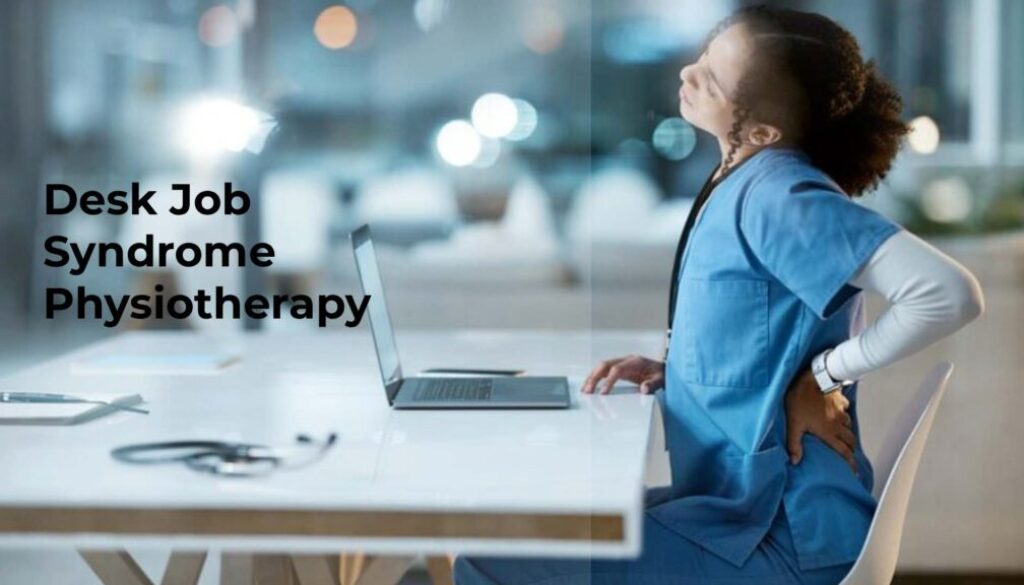
Desk Job Syndrome Physiotherapy: Relief & Recovery Guide
Are you experiencing persistent neck pain, shoulder stiffness, or lower back discomfort after long hours at your desk? You’re not alone. Desk job syndrome, also known as office syndrome, affects millions of professionals worldwide who spend their days sitting in front of computers. The good news? Physiotherapy offers proven, effective solutions to combat these debilitating symptoms and restore your quality of life.
In this comprehensive guide, we’ll explore everything you need to know about desk job syndrome physiotherapy, from understanding the condition to implementing evidence-based treatment strategies that deliver real results.
What is Desk Job Syndrome (Office Syndrome)?
Desk job syndrome, clinically referred to as office syndrome or computer-related musculoskeletal disorder, is a collection of symptoms and physical ailments that develop from prolonged periods of sitting, repetitive movements, and poor posture during office work. This modern occupational hazard has become increasingly prevalent as more professionals transition to desk-based roles and remote work environments.
The condition primarily affects the musculoskeletal system, causing discomfort and pain in various body regions including the neck, shoulders, upper back, lower back, wrists, and even the legs. Unlike acute injuries that occur suddenly, desk job syndrome develops gradually over weeks, months, or even years of repetitive strain and sustained poor posture.
The Growing Epidemic
With over 86% of American workers now sitting throughout their workday, desk job syndrome has evolved from a minor inconvenience to a significant public health concern. The sedentary nature of modern office work, combined with increased screen time and inadequate ergonomic setups, creates the perfect storm for musculoskeletal problems.
Common Symptoms of Office Syndrome
Understanding the symptoms of desk job syndrome is crucial for early intervention. The condition manifests through various physical complaints that can range from mild discomfort to debilitating pain. Here are the most common symptoms:
Upper Body Symptoms
Neck Pain and Stiffness: One of the hallmark symptoms, often described as a dull ache or tightness that worsens as the day progresses. Forward head posture, where the head juts forward beyond the shoulders, is the primary culprit.
Shoulder Tension and Pain: Rounded shoulders and elevated shoulder blades from hunching over keyboards create chronic muscle tension in the trapezius and levator scapulae muscles.
Upper Back Discomfort: A burning sensation or tightness between the shoulder blades results from prolonged thoracic spine flexion and weakened postural muscles.
Lower Body Manifestations
Lower Back Pain: Perhaps the most debilitating symptom, lower back pain develops from prolonged sitting which places excessive pressure on the lumbar spine discs and weakens core muscles.
Hip Flexor Tightness: Extended periods of sitting cause the hip flexors to remain in a shortened position, leading to tightness and reduced mobility.
Leg Numbness and Tingling: Poor circulation and nerve compression from sustained sitting can cause numbness, tingling, or a “pins and needles” sensation in the legs.
Extremity Issues
Wrist and Hand Pain: Carpal tunnel syndrome and repetitive strain injuries affect the wrists and hands from constant keyboard and mouse use.
Headaches: Tension headaches originating from neck and shoulder muscle tightness are extremely common among office workers.
Understanding the Root Causes
To effectively treat desk job syndrome, it’s essential to understand the underlying mechanisms that cause these symptoms:
Prolonged Static Postures
Sitting for extended periods places your body in a static position that wasn’t designed for such duration. The human body thrives on movement, and when deprived of it, muscles become fatigued, joints stiffen, and circulation decreases.
When you maintain the same sitting position for hours, certain muscle groups remain contracted while others become overstretched. This imbalance leads to muscle fatigue, reduced blood flow, and the accumulation of metabolic waste products in tissues, resulting in pain and stiffness.
Poor Ergonomics
An improperly configured workstation is a significant contributor to desk job syndrome. Common ergonomic mistakes include:
- Monitor positioned too high or too low, forcing awkward neck angles
- Chair height that doesn’t allow feet to rest flat on the floor
- Keyboard and mouse placement that requires reaching or awkward wrist positions
- Insufficient lumbar support leading to slouched posture
- Desk height that causes shoulder elevation or wrist extension
Muscle Imbalances
Repetitive postures create predictable patterns of muscle dysfunction. Typically, chest muscles (pectorals) and hip flexors become tight and shortened, while upper back muscles (rhomboids, lower trapezius) and core muscles become weak and lengthened. This classic “upper crossed syndrome” and “lower crossed syndrome” pattern perpetuates poor posture and pain.
Reduced Physical Activity
The sedentary nature of desk work means many professionals don’t engage in sufficient physical activity to counteract the negative effects of prolonged sitting. This leads to decreased cardiovascular fitness, reduced joint mobility, and weakened muscles that are essential for maintaining proper posture.
How Physiotherapy Helps Desk Job Syndrome
Physiotherapy offers a comprehensive, evidence-based approach to treating desk job syndrome. Unlike temporary fixes like painkillers that merely mask symptoms, physiotherapy addresses the root causes while providing sustainable long-term solutions.
Comprehensive Assessment
Your physiotherapy journey begins with a thorough assessment conducted by a qualified physiotherapist. This evaluation includes:
- Detailed medical history and symptom analysis
- Postural assessment in sitting and standing positions
- Range of motion testing for affected joints
- Muscle strength and flexibility evaluation
- Ergonomic workstation analysis
- Movement pattern assessment
- Identification of contributing factors
This comprehensive evaluation allows your physiotherapist to develop a personalized treatment plan tailored to your specific needs and goals.
Manual Therapy Techniques
Manual therapy forms the cornerstone of physiotherapy treatment for desk job syndrome. These hands-on techniques provide immediate relief while facilitating the body’s natural healing processes:
Soft Tissue Mobilization: Targeted massage techniques release muscle tension, break down adhesions, and improve tissue flexibility. Your physiotherapist will focus on tight muscles in the neck, shoulders, back, and hips.
Joint Mobilization: Gentle mobilization techniques restore normal joint mechanics, reduce stiffness, and improve range of motion in the spine, shoulders, and other affected joints.
Myofascial Release: This specialized technique targets the fascia (connective tissue) surrounding muscles, releasing restrictions and improving tissue hydration and mobility.
Trigger Point Therapy: Specific pressure applied to muscular trigger points helps release localized areas of muscle tension and referred pain patterns.
Therapeutic Exercise Programs
Exercise is paramount in treating and preventing desk job syndrome. Your physiotherapist will prescribe specific exercises designed to:
Strengthen Weak Muscles: Targeted strengthening exercises for the core, upper back, and postural muscles help counteract the effects of prolonged sitting. Strong muscles provide better support for the spine and maintain proper alignment.
Stretch Tight Muscles: Regular stretching of shortened muscles including the chest, hip flexors, and neck muscles restores normal muscle length and reduces tension.
Improve Flexibility: Mobility exercises enhance joint range of motion and prevent stiffness that develops from static postures.
Enhance Postural Endurance: Postural exercises improve your ability to maintain proper alignment throughout the workday without fatigue.
Postural Re-education
One of the most valuable aspects of physiotherapy for desk workers is learning proper posture and body mechanics. Your physiotherapist will teach you:
- Optimal sitting posture with proper spinal alignment
- Correct monitor and workstation positioning
- Proper lifting and bending techniques
- Strategies for maintaining good posture throughout the day
- Body awareness techniques to recognize and correct poor posture habits
Ergonomic Consultation
Professional ergonomic guidance is crucial for long-term success. Your physiotherapist will provide specific recommendations for optimizing your workstation, including:
- Chair adjustments for proper lumbar support and positioning
- Monitor height and distance recommendations
- Keyboard and mouse placement for neutral wrist positions
- Desk accessories that promote better posture
- Alternative seating options like standing desks or exercise balls
Effective Physiotherapy Treatments for Office Workers
Let’s explore the specific physiotherapy interventions that have proven most effective for treating desk job syndrome:
Active Release Technique (ART)
This specialized manual therapy technique targets adhesions in muscles, tendons, ligaments, and fascia. By applying precise tension while the patient moves through specific ranges of motion, ART effectively releases stuck tissues and restores normal movement patterns.
Dry Needling
For chronic muscle tension and trigger points that don’t respond to conventional massage, dry needling offers excellent results. This technique involves inserting thin needles into trigger points to release muscle tension, improve blood flow, and reduce pain.
Postural Taping
Kinesiology taping provides proprioceptive feedback to help maintain proper posture throughout the day. The tape gently reminds you to maintain correct alignment, helping retrain postural muscles.
Heat and Cold Therapy
Thermotherapy (heat) and cryotherapy (cold) serve different but complementary purposes. Heat therapy relaxes tight muscles and increases blood flow, while cold therapy reduces inflammation and numbs acute pain.
Electrotherapy Modalities
Various electrotherapy options like TENS (Transcutaneous Electrical Nerve Stimulation) and ultrasound therapy can provide pain relief, reduce inflammation, and promote tissue healing.
Essential Exercises for Desk Job Syndrome Relief
While working with a physiotherapist is ideal, incorporating these exercises into your daily routine can provide significant relief:
Neck and Shoulder Exercises
Chin Tucks: Gently tuck your chin toward your chest, creating a double chin. Hold for 5 seconds and repeat 10 times. This exercise strengthens deep neck flexors and counters forward head posture.
Shoulder Blade Squeezes: Sit upright and squeeze your shoulder blades together, imagining you’re holding a pencil between them. Hold for 5 seconds, repeat 10 times. This strengthens upper back muscles.
Neck Rotations: Slowly turn your head to look over each shoulder, holding for 10-15 seconds on each side. Repeat 5 times per side to maintain neck mobility.
Upper Back Exercises
Thoracic Extension: Sit at the edge of your chair, place your hands behind your head, and gently arch your upper back while looking slightly upward. Hold for 5 seconds, repeat 8-10 times.
Wall Angels: Stand with your back against a wall, arms raised like goal posts. Slowly slide your arms up and down the wall while maintaining contact. Perform 10-15 repetitions.
Lower Back and Core
Seated Pelvic Tilts: While sitting, alternate between arching and rounding your lower back. This promotes spinal mobility and engages core muscles.
Cat-Cow Stretch: On hands and knees, alternate between arching your back (cow) and rounding it (cat). Perform 10 slow repetitions to mobilize the entire spine.
Bird Dogs: From hands and knees, extend opposite arm and leg while maintaining a stable spine. This exercise builds core stability essential for good posture.
Hip and Leg Stretches
Hip Flexor Stretch: In a lunge position, push your hips forward while keeping your back straight. Hold for 30 seconds on each side, repeat 3 times.
Seated Figure-4 Stretch: Cross one ankle over the opposite knee and gently lean forward to stretch the hip. Hold 30 seconds each side.
Standing Quad Stretch: Pull one foot toward your buttocks while standing. Hold 30 seconds each leg to prevent hip flexor and quadriceps tightness.
Creating Your Desk Job Survival Strategy
Combining physiotherapy treatment with lifestyle modifications creates the most effective approach to managing desk job syndrome:
The 20-20-20 Rule
Every 20 minutes, look at something 20 feet away for 20 seconds. This simple practice reduces eye strain and provides a reminder to check your posture.
Microbreaks Throughout the Day
Set a timer to remind yourself to stand, stretch, and move every 30-60 minutes. Even brief movement breaks significantly reduce muscle fatigue and stiffness.
Implement Proper Workstation Setup
Ensure your workspace follows ergonomic principles:
- Monitor at arm’s length distance, top of screen at or slightly below eye level
- Chair adjusted so feet rest flat on floor with knees at 90 degrees
- Keyboard and mouse close enough to avoid reaching
- Lower back supported by chair’s lumbar support
- Wrists in neutral position when typing
Incorporate Movement Into Your Workday
- Take phone calls while standing or walking
- Use stairs instead of elevators
- Park farther away to add extra walking
- Hold standing or walking meetings when possible
- Perform desk exercises during brief breaks
Stay Hydrated
Drinking adequate water throughout the day serves a dual purpose: it maintains tissue hydration and provides natural reminders to take breaks for bathroom trips, incorporating essential movement.
When to Seek Professional Physiotherapy Help
While self-care measures are beneficial, certain symptoms warrant professional physiotherapy intervention:
- Pain that persists beyond 2-3 weeks despite self-care
- Symptoms that worsen progressively
- Numbness or tingling that doesn’t resolve
- Pain that interferes with sleep or daily activities
- Weakness in arms or legs
- Pain accompanied by radiating symptoms
- Headaches that increase in frequency or intensity
Early intervention prevents minor issues from becoming chronic conditions. The sooner you address desk job syndrome with professional help, the faster you’ll achieve relief and prevent long-term complications.
The Benefits of At-Home Physiotherapy
For busy professionals struggling with desk job syndrome, at-home physiotherapy offers distinct advantages:
Convenience: Treatment comes to you, eliminating commute time and scheduling complications around work hours.
Comfort: Receive treatment in your own environment where you feel most relaxed.
Real-World Assessment: Your physiotherapist can evaluate your actual workspace and provide specific, applicable ergonomic recommendations.
Better Compliance: Easy access to treatment increases the likelihood of following through with your therapy program.
Personalized Attention: One-on-one care in your home ensures focused, individualized treatment without the distractions of a busy clinic.
Time Efficiency: No travel time means you can fit physiotherapy into even the busiest schedules.
Services like Physio at Your Doorstep specialize in bringing professional physiotherapy care directly to your home across Bangalore, making it easier than ever to prioritize your musculoskeletal health.
Preventing Desk Job Syndrome: Long-Term Strategies
Prevention is always better than treatment. Implement these long-term strategies to minimize your risk of developing or recurring desk job syndrome:
Build a Strong Foundation
Regular exercise outside of work hours builds the strength and flexibility needed to counteract the effects of prolonged sitting. Aim for:
- 150 minutes of moderate aerobic activity weekly
- Strength training for all major muscle groups twice weekly
- Flexibility work including yoga or stretching daily
Practice Active Sitting
Active sitting involves maintaining good posture and engaging core muscles even while seated. Consider:
- Sitting on an exercise ball for portions of your day
- Using a wobble cushion to engage core muscles
- Alternating between sitting and standing with a height-adjustable desk
Invest in Quality Ergonomic Equipment
While it requires upfront investment, quality ergonomic equipment pays dividends in terms of comfort and health:
- Adjustable ergonomic chair with proper lumbar support
- Standing desk or desk converter for position variation
- Ergonomic keyboard and mouse
- Monitor arm for optimal screen positioning
- Footrest if needed for proper leg positioning
Regular Professional Check-Ins
Even without active symptoms, periodic physiotherapy assessments can identify developing issues before they become problematic. Consider quarterly or bi-annual check-ups to maintain optimal musculoskeletal health.
Mind-Body Connection
Stress management is crucial as psychological stress manifests physically as muscle tension. Incorporate:
- Mindfulness meditation
- Deep breathing exercises
- Progressive muscle relaxation
- Regular stress-reduction activities
Special Considerations for Different Desk Job Scenarios
Remote Workers
Working from home presents unique challenges including inadequate workstation setup, increased sitting time, and blurred work-life boundaries. If you’re a remote worker:
- Designate a proper workspace rather than working from couches or beds
- Maintain regular work hours with defined breaks
- Invest in proper home office equipment
- Create physical separation between work and personal spaces
Multi-Monitor Users
If you work with multiple screens:
- Position monitors at equal heights and distances
- Place the primary monitor directly in front of you
- Avoid constant neck rotation by arranging screens in a gentle arc
- Take extra care to vary your gaze direction throughout the day
Laptop-Only Users
Laptop users face particular ergonomic challenges since the keyboard and screen can’t be independently positioned. Consider:
- Using a laptop stand to elevate the screen
- Adding an external keyboard and mouse
- Never working with the laptop on your lap for extended periods
- Limiting laptop-only work sessions when possible
Integrating Physiotherapy with Other Treatments
Desk job syndrome often responds best to a multidisciplinary approach. Your physiotherapist may recommend coordinating care with:
Occupational Therapy: For complex ergonomic assessments and workplace modifications.
Chiropractic Care: For spinal adjustments that complement physiotherapy treatment.
Massage Therapy: For deep tissue work that enhances physiotherapy’s effects.
Personal Training: To develop a comprehensive fitness program that supports your physiotherapy goals.
Medical Consultation: If symptoms suggest underlying conditions requiring medical intervention.
Success Stories: Real Results from Desk Job Syndrome Physiotherapy
While individual results vary, physiotherapy has helped countless professionals reclaim their quality of life from desk job syndrome. Patients typically report:
- 60-80% reduction in pain within 4-6 weeks of consistent treatment
- Improved posture and body awareness
- Increased productivity and focus at work
- Better sleep quality
- Enhanced overall well-being
- Reduced reliance on pain medications
The key to success lies in commitment to your treatment program, implementing ergonomic changes, and maintaining preventive exercises even after symptoms resolve.
Getting Started with Your Desk Job Syndrome Treatment
Taking the first step toward relief is simple:
- Schedule an Assessment: Contact a qualified physiotherapist for a comprehensive evaluation. Services like orthopedic physiotherapy specialize in musculoskeletal conditions like desk job syndrome.
- Implement Immediate Changes: While awaiting your appointment, begin implementing basic ergonomic improvements and performing simple stretches.
- Commit to the Process: Understand that reversing months or years of postural dysfunction takes time. Consistency is crucial for lasting results.
- Track Your Progress: Keep a symptom diary to monitor improvements and identify patterns.
- Stay Engaged: Ask questions, provide feedback to your physiotherapist, and take an active role in your recovery.
Conclusion
Desk job syndrome is a pervasive problem in our modern work culture, but it doesn’t have to be your reality. Physiotherapy offers proven, effective solutions that address both the symptoms and root causes of office-related musculoskeletal pain.
By combining professional physiotherapy treatment with ergonomic modifications, targeted exercises, and lifestyle changes, you can break free from the cycle of pain and discomfort that plagues so many desk workers. Whether you’re experiencing early warning signs or have been dealing with chronic symptoms, it’s never too late to seek help.
Remember, your body is designed for movement, not prolonged sitting. With the right intervention and commitment to change, you can restore comfort, improve function, and enhance your overall quality of life—all while continuing to excel in your professional career.
Don’t let desk job syndrome dictate your daily experience. Take control of your musculoskeletal health today with professional physiotherapy guidance tailored to your unique needs.
Frequently Asked Questions About Desk Job Syndrome Physiotherapy
How long does it take to see results from physiotherapy for desk job syndrome?
Most patients begin experiencing noticeable improvement within 2-4 weeks of consistent physiotherapy treatment. However, complete resolution typically requires 6-12 weeks, depending on symptom severity, how long the condition has persisted, and adherence to the treatment plan. Early intervention generally leads to faster recovery.
Can desk job syndrome be completely cured?
Yes, with appropriate treatment and lifestyle modifications, desk job syndrome can be effectively resolved. However, since the underlying cause—prolonged sitting and poor posture—often continues due to job requirements, ongoing preventive measures are essential to maintain results and prevent recurrence.
How often should I do physiotherapy exercises?
For acute symptoms, daily exercises are typically recommended, often 2-3 times per day. As symptoms improve, frequency may be reduced to once daily for maintenance. Your physiotherapist will provide a specific schedule tailored to your condition and recovery progress.
Is physiotherapy for desk job syndrome covered by insurance?
Many insurance plans cover physiotherapy services, though coverage varies significantly by provider and policy. At-home physiotherapy services may also be covered. Check with your insurance provider about your specific benefits, deductibles, and any pre-authorization requirements.
What’s the difference between physiotherapy and massage for desk job syndrome?
While massage provides temporary relief by relaxing tight muscles, physiotherapy offers comprehensive treatment addressing the root causes. Physiotherapy includes manual therapy (which incorporates massage techniques), therapeutic exercises, postural re-education, and ergonomic guidance—creating lasting solutions rather than temporary relief.
Can I continue working while receiving physiotherapy treatment?
Absolutely. Most patients continue working throughout their physiotherapy treatment. In fact, many at-home physiotherapy services specifically cater to working professionals by providing convenient scheduling and workplace ergonomic assessments. Your physiotherapist may recommend certain modifications to your work routine to facilitate recovery.
What if my symptoms return after physiotherapy?
Symptom recurrence usually indicates either incomplete resolution of underlying issues or return to problematic habits. Contact your physiotherapist for reassessment. Often, a brief tune-up session or program modification can quickly address returning symptoms. Maintaining your exercise program and ergonomic practices significantly reduces recurrence risk.
Are there any side effects of physiotherapy treatment?
Physiotherapy is generally very safe with minimal side effects. Some patients experience temporary muscle soreness following treatment or when beginning new exercises—similar to post-workout soreness. This typically resolves within 24-48 hours. Serious side effects are extremely rare when working with a qualified physiotherapist.
How is at-home physiotherapy different from clinic-based treatment?
At-home physiotherapy provides the same quality treatment in the convenience of your home. Benefits include time savings, personalized attention, real-world ergonomic assessment of your actual workspace, and greater treatment accessibility. The techniques and effectiveness are equivalent to clinic-based care.
Can desk job syndrome lead to permanent damage?
If left untreated for extended periods, desk job syndrome can lead to chronic conditions including degenerative disc disease, chronic pain syndromes, and permanent postural changes. However, with timely intervention, permanent damage is uncommon. This underscores the importance of addressing symptoms early rather than waiting for them to worsen.
Resources and References
For more information about physiotherapy services and musculoskeletal health:
- American Physical Therapy Association – Comprehensive resources on physical therapy and musculoskeletal health
- Occupational Safety and Health Administration (OSHA) – Ergonomic guidelines for workplace safety
- National Institute of Occupational Safety and Health (NIOSH) – Research and recommendations on occupational health
The British Journal of Sports Medicine – Evidence-based research on exercise and rehabilitation.