Latest Technology in Physiotherapy: Smarter Recovery Techniques
The landscape of rehabilitation medicine has undergone a remarkable transformation in recent years. What was once limited to manual techniques and conventional exercise protocols has evolved into a sophisticated field powered by cutting-edge innovations. The latest technology in physiotherapy is not just enhancing treatment outcomes—it’s fundamentally reshaping how patients experience recovery, making therapy more personalized, accessible, and effective than ever before.
As we navigate through 2025, the convergence of artificial intelligence, robotics, virtual reality, and wearable devices is creating unprecedented opportunities for both physiotherapists and patients. These technological advances are addressing long-standing challenges in rehabilitation while opening new pathways for treatment that were unimaginable just a decade ago.
Understanding the Digital Revolution in Physical Therapy
The integration of technology in physical therapy represents more than just a trend—it’s a paradigm shift in healthcare delivery. Modern physiotherapy clinics and home-based services are increasingly adopting digital solutions that enhance diagnostic accuracy, treatment precision, and patient engagement.
This digital transformation is driven by several key factors: the growing demand for personalized care, the need for objective measurement tools, the rise of remote healthcare services, and the continuous pursuit of improved patient outcomes. Today’s physiotherapists are equipped with tools that provide real-time data, enabling them to make informed decisions and adjust treatment protocols with unprecedented accuracy.
AI-Powered Diagnostics and Treatment Planning
Artificial intelligence has emerged as one of the most transformative forces in modern physiotherapy. AI-powered assessment tools are revolutionizing how therapists evaluate patient conditions, track progress, and design personalized treatment programs.
Machine Learning in Movement Analysis
Advanced AI algorithms can now analyze movement patterns with remarkable precision, identifying subtle biomechanical abnormalities that might escape the human eye. These systems use computer vision and machine learning to assess gait, posture, and functional movements, providing therapists with objective data to guide their interventions.
The technology captures thousands of data points during movement assessment, creating comprehensive profiles of how patients move. This level of detail allows physiotherapists to identify compensatory patterns, muscle imbalances, and movement dysfunctions that contribute to pain or injury risk.
Predictive Analytics for Better Outcomes
Recent advances in physiotherapy include predictive modeling that helps forecast patient outcomes based on various factors such as injury type, patient demographics, treatment adherence, and historical data. These predictive tools enable therapists to set realistic recovery timelines and proactively adjust treatment strategies to prevent potential setbacks.
AI-driven platforms can analyze vast amounts of clinical data to identify which interventions work best for specific conditions, helping therapists make evidence-based decisions faster. This technology is particularly valuable in orthopedic physiotherapy where precise movement restoration is crucial for optimal recovery.
Virtual Reality and Augmented Reality in Rehabilitation
Virtual reality (VR) and augmented reality (AR) have transitioned from gaming entertainment to powerful therapeutic tools. These immersive technologies are transforming rehabilitation by creating engaging, controlled environments where patients can practice movements safely while receiving real-time feedback.
Immersive Therapy Environments
VR technology creates fully immersive three-dimensional environments that can simulate real-world scenarios or create gamified exercise experiences. Patients recovering from stroke, traumatic brain injury, or musculoskeletal conditions can engage in therapy sessions that feel less like clinical exercises and more like interactive experiences.
The immersive nature of VR helps distract patients from pain and discomfort, potentially reducing reliance on pain medications. Studies have shown that VR-based therapy can improve patient motivation and adherence, leading to better long-term outcomes. For patients receiving neurological physiotherapy, VR offers opportunities to retrain neural pathways through repeated, varied practice in safe virtual environments.
Augmented Reality for Enhanced Movement Feedback
Unlike VR’s fully immersive approach, augmented reality overlays digital information onto the real world. AR applications in physiotherapy provide visual cues, corrective feedback, and exercise guidance directly within the patient’s field of vision.
Therapists can use AR technology to demonstrate proper movement patterns, highlight areas of concern during functional assessments, and provide patients with visual targets to improve exercise accuracy. This technology bridges the gap between clinical instruction and patient execution, making exercises more effective and reducing the risk of improper technique.
Wearable Technology and Remote Monitoring
The proliferation of wearable devices has created new possibilities for continuous patient monitoring and data-driven treatment adjustments. These devices, ranging from smartwatches to specialized sensors, provide therapists with valuable insights into patient activity levels, movement quality, and recovery progress between sessions.
Smart Sensors for Movement Tracking
Advanced wearable sensors can measure various biomechanical parameters including joint angles, acceleration, velocity, and force distribution. These devices attach to specific body parts and transmit real-time data to mobile applications or cloud-based platforms where therapists can review and analyze the information.
For patients recovering from sports injuries or undergoing sports physiotherapy, wearable technology provides objective measurements of performance metrics such as running gait, jump mechanics, and throwing patterns. This data helps therapists fine-tune return-to-sport protocols and reduce reinjury risk.
Continuous Health Monitoring
Modern wearable devices track vital signs including heart rate, blood oxygen levels, sleep quality, and stress markers. This comprehensive health data helps physiotherapists understand how various factors influence recovery and adjust treatment accordingly.
For patients managing chronic conditions or recovering from major surgeries, continuous monitoring ensures early detection of potential complications. Therapists can set alerts for concerning trends, enabling timely interventions that prevent setbacks and optimize recovery trajectories.
Robotic-Assisted Therapy and Exoskeletons
Robotics represents one of the most visually impressive applications of technology in physical therapy. Robotic devices and exoskeletons are helping patients with severe mobility impairments regain function and independence through precisely controlled, repetitive movements.
Robotic Gait Training Systems
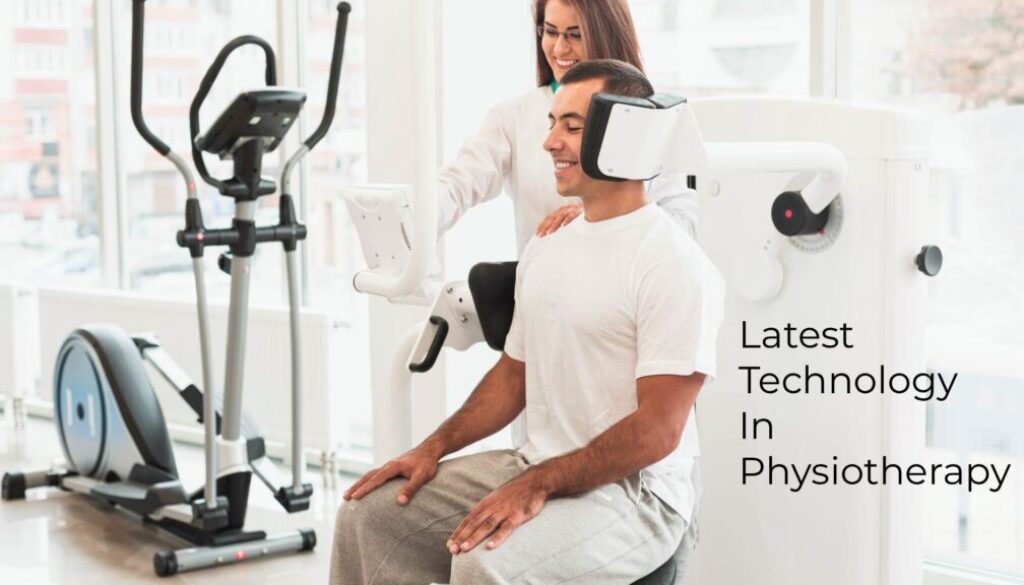
Robotic treadmill systems provide body-weight support while guiding patients through normal walking patterns. These devices are particularly valuable for individuals recovering from stroke, spinal cord injuries, or other neurological conditions that affect mobility.
The robots can adjust the level of assistance in real-time, gradually reducing support as patients regain strength and coordination. This progressive approach challenges patients appropriately while maintaining safety, accelerating the rehabilitation process compared to traditional methods.
Exoskeletons for Mobility Enhancement
Wearable robotic exoskeletons are empowering individuals with paralysis or severe weakness to stand and walk. These powered devices support the body’s structure while providing the necessary forces to generate movement.
Beyond mobility restoration, exoskeletons offer therapeutic benefits by enabling weight-bearing exercise, which promotes bone health, cardiovascular fitness, and psychological well-being. The latest models feature improved battery life, lighter materials, and more intuitive control systems, making them increasingly practical for regular use.
Telehealth and Digital Physiotherapy Platforms
The expansion of telehealth has democratized access to quality physiotherapy services, particularly for individuals in remote areas or those with mobility limitations. Digital platforms now enable virtual consultations, guided exercise programs, and remote progress monitoring.
Virtual Consultation Technology
High-definition video conferencing combined with screen-sharing capabilities allows physiotherapists to conduct thorough assessments and provide treatment guidance remotely. Therapists can observe movement patterns, provide verbal cues, and demonstrate exercises in real-time.
Advanced platforms incorporate features like session recording, digital exercise libraries, and automated reminders to enhance treatment adherence. For individuals who prefer physiotherapy at home, these digital solutions complement in-person visits, ensuring continuity of care and maximizing treatment effectiveness.
AI-Powered Home Exercise Programs
Sophisticated mobile applications now use smartphone cameras and AI algorithms to guide patients through exercises at home. These apps can detect movement quality, count repetitions, and provide corrective feedback, essentially functioning as virtual therapy assistants.
Patients receive personalized exercise programs that automatically adjust based on their progress and performance. This technology addresses one of physiotherapy’s biggest challenges—ensuring patients perform home exercises correctly and consistently between clinical sessions.
Electrotherapy and Neuromodulation Advances
While electrotherapy has been part of physiotherapy for decades, recent technological improvements have significantly enhanced its effectiveness and applications. Modern devices offer more precise control, better patient comfort, and expanded treatment options.
Advanced Neuromuscular Electrical Stimulation
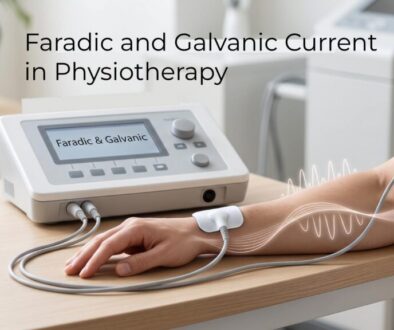
The latest neuromuscular electrical stimulation (NMES) devices work directly with the body’s natural electrical signals to accelerate recovery and improve outcomes. These sophisticated systems can target specific muscle groups with customized waveforms, frequencies, and intensities.
Recent advances in physiotherapy equipment include devices that combine electrical stimulation with biofeedback, allowing patients to learn proper muscle activation patterns while receiving assistance from the device. This approach is particularly effective for muscle re-education following injury or surgery.
Shockwave Therapy Technology
Extracorporeal shockwave therapy (ESWT) uses acoustic waves to stimulate healing in musculoskeletal tissues. Modern devices offer both focused and radial shockwave options, each with specific applications for different conditions.
This non-invasive treatment has shown impressive results for chronic tendinopathies, plantar fasciitis, calcific shoulder conditions, and delayed bone healing. The latest equipment provides precise targeting and adjustable intensity levels, maximizing therapeutic effects while minimizing discomfort.
3D Motion Capture and Biomechanical Analysis
Professional-grade motion capture systems, once limited to research laboratories and elite sports facilities, are becoming more accessible to clinical practice. These systems provide detailed biomechanical analyses that guide treatment planning and track recovery progress.
Markerless Motion Capture
Traditional motion capture required placing markers on specific anatomical points, a time-consuming process. Recent technological innovations have introduced markerless systems that use multiple cameras and AI algorithms to track movement without physical markers.
These systems analyze complex movements in three dimensions, measuring joint angles, velocities, and forces throughout entire movement sequences. The detailed data helps physiotherapists identify subtle compensation patterns and movement asymmetries that contribute to pain or injury risk.
Real-Time Biofeedback Systems
Advanced biofeedback platforms provide immediate visual or auditory feedback during exercise, helping patients correct movement patterns in real-time. This immediate reinforcement accelerates motor learning and helps establish proper movement habits.
For example, force plate technology measures weight distribution and balance during standing or squatting exercises, displaying results on a screen where patients can see and adjust their performance instantly. This technology enhances exercise effectiveness and reduces the time needed to achieve functional improvements.
Therapeutic Ultrasound and Laser Technology
Ultrasound and laser technologies continue to evolve, offering new treatment options for pain management, tissue healing, and inflammation reduction. These modalities remain cornerstone treatments in modern physiotherapy practice.
High-Intensity Laser Therapy
Class IV therapeutic lasers deliver deeper tissue penetration and higher power outputs compared to earlier generations. These devices stimulate cellular metabolism, increase blood flow, and promote tissue repair at the molecular level.
High-intensity laser therapy has demonstrated effectiveness for various conditions including arthritis, sports injuries, post-surgical pain, and chronic musculoskeletal disorders. Treatment sessions are quick, non-invasive, and generally well-tolerated by patients.
Diagnostic Ultrasound Integration
Beyond therapeutic applications, diagnostic ultrasound has become an increasingly valuable tool for physiotherapists with appropriate training. Real-time imaging allows visualization of muscles, tendons, ligaments, and other soft tissues during movement.
This imaging capability enhances assessment accuracy, guides needling procedures, and helps monitor tissue healing over time. The integration of diagnostic ultrasound into physiotherapy practice represents a significant advancement in point-of-care diagnostics.
Gamification and Interactive Rehabilitation
Gamification principles applied to rehabilitation exercises are transforming patient engagement and adherence. Interactive platforms make therapy more enjoyable while maintaining therapeutic rigor and tracking progress automatically.
Exercise Gaming Platforms
Specialized rehabilitation gaming systems combine motion sensors, engaging graphics, and progressive challenges to create compelling exercise experiences. Patients perform therapeutic movements while interacting with games that automatically adjust difficulty based on performance.
These platforms appeal particularly to younger patients and those who find traditional exercises monotonous. The competitive elements, achievement systems, and visual feedback maintain motivation throughout lengthy rehabilitation programs.
Social Connectivity Features
Modern rehabilitation platforms incorporate social features that connect patients with similar conditions, creating support communities and friendly competition. Patients can share achievements, compare progress, and encourage each other through their recovery journeys.
This social dimension addresses the psychological aspects of rehabilitation, combating feelings of isolation and maintaining motivation during challenging recovery periods. For patients receiving pregnancy physiotherapy or managing chronic conditions, community support provides valuable emotional benefits alongside physical improvements.
Data Analytics and Practice Management Systems
Behind-the-scenes technologies are revolutionizing how physiotherapy practices operate, improving efficiency, documentation quality, and patient outcomes tracking. Modern practice management systems integrate clinical documentation with scheduling, billing, and outcomes measurement.
Comprehensive Electronic Health Records
Advanced electronic health record (EHR) systems designed specifically for physiotherapy streamline documentation while ensuring regulatory compliance. These platforms incorporate templates, standardized outcome measures, and progress tracking tools that enhance care quality.
Integration with other healthcare systems enables seamless information sharing between providers, improving care coordination for patients with complex needs. This interoperability is particularly important for individuals receiving multiple healthcare services simultaneously.
Outcomes Tracking and Quality Improvement
Sophisticated analytics platforms aggregate patient data to identify trends, measure treatment effectiveness, and guide quality improvement initiatives. Practices can benchmark their outcomes against national standards and identify opportunities for enhanced care delivery.
These insights help physiotherapists refine their treatment approaches based on real-world evidence from their own patient populations. Data-driven practice is becoming the standard in modern physiotherapy, ensuring patients receive the most effective interventions available.
Implementing Technology in Home-Based Physiotherapy
While many technological advances originated in clinic settings, the trend toward home-based care is accelerating technology adoption in patients’ residences. Portable devices, smartphone applications, and telehealth platforms are making sophisticated treatments accessible in home environments.
Mobile Treatment Technologies
Portable versions of previously clinic-bound equipment allow physiotherapists to deliver advanced treatments during home visits. Compact electrical stimulation devices, portable ultrasound units, and wireless sensor systems enable comprehensive care without requiring clinic attendance.
This mobility is particularly valuable for patients with transportation challenges, severe mobility limitations, or those who simply prefer receiving care at home. Services like Physio at Your Doorstep are leveraging these technologies to provide clinic-quality care in the comfort of patients’ homes.
Smart Home Integration
Emerging applications connect rehabilitation programs with smart home technologies, using voice assistants, connected devices, and ambient sensors to support recovery activities. Voice-activated reminders prompt exercise sessions, smart speakers guide through workout routines, and connected scales track body weight changes.
This integration creates a supportive home environment that reinforces therapeutic goals and maintains patient engagement between therapist visits. The seamless technology experience makes adherence easier and more natural within daily routines.
Addressing Challenges and Considerations
Despite the tremendous benefits, implementing new technologies in physiotherapy presents challenges that must be thoughtfully addressed to ensure successful adoption and optimal patient outcomes.
Training and Professional Development
Physiotherapists must invest time and effort in learning new technologies, understanding their applications, and developing competencies in digital health delivery. Continuing education programs, vendor training, and peer learning communities support this professional development.
The rapid pace of technological change requires commitment to lifelong learning. Practitioners who embrace ongoing education position themselves to offer cutting-edge care while maintaining the clinical reasoning skills that remain fundamental to excellent physiotherapy practice.
Cost and Accessibility Concerns
Advanced technologies often come with significant upfront costs, potentially creating access disparities between well-resourced facilities and smaller practices or underserved communities. Addressing these equity concerns requires creative solutions including equipment sharing, leasing programs, and public health initiatives.
As technologies mature and competition increases, costs typically decrease, gradually improving accessibility. Open-source software platforms and lower-cost device alternatives are emerging to democratize access to technological benefits.
Maintaining Human Connection
Technology should enhance rather than replace the therapeutic relationship between physiotherapist and patient. The art of physiotherapy—clinical intuition, empathetic communication, and hands-on skills—remains irreplaceable despite technological advances.
Successful technology integration maintains human connection at the center of care while leveraging digital tools to enhance assessment accuracy, treatment effectiveness, and patient engagement. The best outcomes occur when technology and human expertise work synergistically.
The Future Landscape of Physiotherapy Technology
Looking ahead, several emerging technologies promise to further transform physiotherapy practice in the coming years. Understanding these trends helps practitioners and patients prepare for continued evolution in rehabilitation care.
Artificial Intelligence Maturation
AI capabilities will continue advancing, potentially enabling autonomous assessment of certain conditions, real-time treatment adaptation during therapy sessions, and predictive algorithms that prevent injuries before they occur. However, human oversight will remain essential for ethical, safe, and patient-centered care.
Bioprinting and Regenerative Technologies
Though still largely experimental, bioprinting technologies that create tissue scaffolds and cellular therapies may eventually complement traditional physiotherapy by accelerating tissue healing and regeneration. These advances could dramatically reduce recovery times for certain injuries.
Brain-Computer Interfaces
Emerging brain-computer interface technologies may eventually allow direct neural control of assistive devices and provide new avenues for neurological rehabilitation. While currently in research phases, these technologies show promise for individuals with severe mobility impairments.
Personalized Medicine Integration
As genetic testing becomes more accessible, physiotherapy may increasingly incorporate genetic information to predict injury risk, guide treatment selection, and optimize recovery protocols based on individual biological characteristics.
Choosing the Right Technology-Enhanced Physiotherapy Service
For patients considering physiotherapy services, understanding how different providers incorporate technology can help inform healthcare decisions. Here are key factors to consider:
Comprehensive Technology Portfolio
Look for providers who integrate multiple technologies appropriately rather than relying exclusively on any single approach. The best outcomes typically result from combining traditional hands-on techniques with appropriate technological enhancements.
Evidence-Based Practice
Ensure providers use technologies supported by research evidence and clinical guidelines. Not all new technologies have sufficient validation, and some may be marketed despite limited proof of effectiveness.
Personalized Technology Application
Technology should be tailored to individual needs rather than applied uniformly to all patients. Ask how providers determine which technologies are appropriate for your specific condition and goals.
Transparent Communication
Quality providers explain how technologies work, what benefits to expect, and any potential risks or limitations. They should welcome questions and provide clear information to support informed decision-making.
Conclusion
The latest technology in physiotherapy is not just changing how we treat injuries and manage conditions—it’s fundamentally expanding what’s possible in rehabilitation medicine. From AI-powered diagnostics to immersive VR therapy, from wearable sensors to robotic assistance, these innovations are making care more precise, accessible, and effective.
However, technology remains a tool in service of excellent patient care. The most successful outcomes occur when cutting-edge innovations complement the expertise, clinical reasoning, and compassionate care that define quality physiotherapy. As technologies continue evolving, the profession’s commitment to evidence-based, patient-centered practice ensures these advances genuinely improve lives.
Whether you’re recovering from injury, managing a chronic condition, or seeking to optimize physical performance, today’s technology-enhanced physiotherapy offers unprecedented opportunities for achieving your goals. By choosing providers who thoughtfully integrate appropriate technologies with expert clinical care, you can access the best that modern rehabilitation medicine has to offer.
Reference and Resources
- American Physical Therapy Association (APTA) – Digital Health Resources: https://www.apta.org/
- National Center for Biotechnology Information – Physical Therapy Technology Research: https://www.ncbi.nlm.nih.gov/
- World Confederation for Physical Therapy – Global Standards: https://world.physio/
- Physiopedia – Evidence-Based Physiotherapy Information: https://www.physio-pedia.com/
- Journal of Physical Therapy Science – Latest Research: https://www.jstage.jst.go.jp/browse/jpts