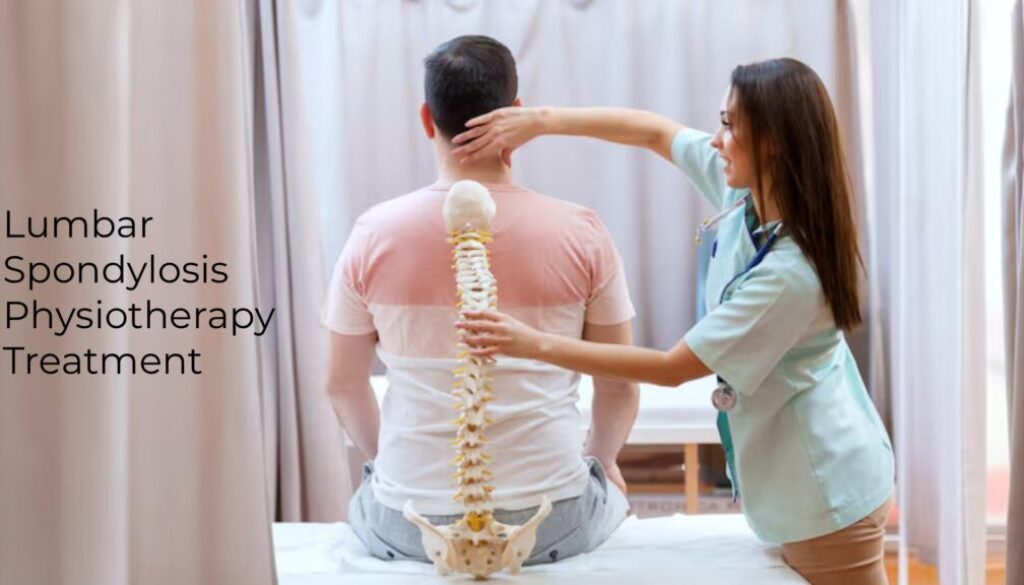
Lumbar Spondylosis Physiotherapy: Types, Symptoms & Recovery
Expert physiotherapy management for lumbar spondylosis providing effective pain relief, functional restoration, and long-term spine health. Professional home-based treatment available across Bangalore.
Introduction
Lumbar spondylosis physiotherapy treatment has become the cornerstone of non-surgical management for this increasingly prevalent degenerative spine condition affecting millions of Indians across major metropolitan areas. As a natural aging process that affects the lumbar vertebrae, discs, and surrounding structures, lumbar spondylosis represents one of the most common causes of chronic lower back pain in adults over 40, particularly impacting the urban working population in cities like Bangalore, Mumbai, Delhi, and Chennai.
The condition, characterized by degenerative changes in the lumbar spine including disc degeneration, facet joint arthritis, and osteophyte (bone spur) formation, significantly affects quality of life and functional capacity. In India’s rapidly urbanizing environment, where prolonged sitting, poor ergonomics, and sedentary lifestyles are increasingly common, lumbar spondylosis physiotherapy treatment has emerged as the most effective first-line intervention for managing symptoms and preventing progression.
Unlike surgical approaches that carry inherent risks and require extensive recovery periods, physiotherapy offers a comprehensive, evidence-based solution that addresses pain, improves function, and enhances overall spine health through targeted interventions. The evolution of home-based physiotherapy has revolutionized lumbar spondylosis management, providing personalized, convenient treatment that allows patients to receive expert care while maintaining their professional and personal commitments.
Lumbar spondylosis physiotherapy treatment combines advanced manual therapy techniques, specific exercise protocols, patient education, and lifestyle modification strategies to create comprehensive management plans tailored to individual needs. This approach not only addresses current symptoms but also focuses on preventing further degeneration and optimizing long-term spinal health, making it particularly valuable for India’s aging population and busy professional workforce.
Understanding Lumbar Spondylosis: Pathophysiology and Classification
What is Lumbar Spondylosis?
Lumbar spondylosis is a degenerative condition affecting the lumbar spine (lower back) that involves progressive wear and tear of the vertebrae, intervertebral discs, facet joints, and surrounding ligaments. This natural aging process typically begins in the third decade of life but becomes clinically significant in individuals over 40 years old, with prevalence increasing substantially with age.
Anatomical Components Affected:
- Intervertebral discs: Loss of height, dehydration, and structural integrity
- Facet joints: Cartilage degeneration and arthritis development
- Vertebral bodies: Osteophyte (bone spur) formation and sclerosis
- Ligaments: Thickening and calcification, particularly ligamentum flavum
- Neural structures: Potential compression of nerve roots and spinal cord
Pathophysiological Process:
The degenerative cascade begins with disc dehydration and loss of proteoglycans, leading to decreased disc height and altered spinal biomechanics. This creates increased stress on facet joints, resulting in cartilage breakdown and osteophyte formation. The body’s attempt to stabilize the spine through bone and ligament changes can paradoxically create neural compression and symptoms.
Types and Classification of Lumbar Spondylosis
Primary Classifications:
Mild Spondylosis:
- Early degenerative changes with minimal symptoms
- Slight disc space narrowing
- Early osteophyte formation
- Minimal functional impact
Moderate Spondylosis:
- Significant disc degeneration and height loss
- Moderate facet joint arthritis
- Noticeable osteophyte formation
- Functional limitations with activities
Severe Spondylosis:
- Advanced degenerative changes throughout lumbar spine
- Significant neural compression potential
- Spinal stenosis development
- Substantial functional impairment
Associated Conditions:
- Spinal stenosis: Narrowing of spinal canal causing neural compression
- Spondylolisthesis: Forward slippage of one vertebra over another
- Degenerative disc disease: Primary disc pathology with secondary changes
- Facet joint syndrome: Predominant arthritis of posterior joints
Epidemiology in Indian Population
Prevalence Statistics:
Recent studies indicate that lumbar spondylosis affects approximately 60-80% of individuals over 50 in urban Indian populations, with higher rates in metropolitan areas due to lifestyle factors.
City-Specific Data:
- Bangalore: 65% of IT professionals over 40 show radiographic signs
- Mumbai: 58% of urban working population affected
- Delhi NCR: 62% prevalence in government and corporate sectors
- Chennai: 55% of adults over 45 demonstrate degenerative changes
- Hyderabad: 59% of technology sector workers show early signs
Risk Factor Profile in India:
- Occupational factors: Prolonged sitting, poor ergonomics, vibration exposure
- Lifestyle factors: Reduced physical activity, obesity, smoking
- Genetic factors: Family history of spine problems
- Environmental factors: Air pollution, stress levels
- Demographic factors: Aging population, urbanization trends
Symptoms and Clinical Presentation of Lumbar Spondylosis
Primary Symptom Complex
Mechanical Lower Back Pain:
The hallmark symptom of lumbar spondylosis is mechanical lower back pain that varies with activity and posture.
Pain Characteristics:
- Location: Lower back, may radiate to buttocks and thighs
- Quality: Aching, stiffness, sometimes sharp with movement
- Pattern: Worse with prolonged sitting or standing, better with movement
- Timing: Morning stiffness, end-of-day fatigue
- Severity: Ranges from mild discomfort to severe limitation
Aggravating Factors:
- Prolonged static postures (sitting, standing)
- Forward bending and lifting activities
- Coughing, sneezing, or straining
- Cold weather and barometric pressure changes
- Stress and emotional tension
Relieving Factors:
- Movement and position changes
- Heat application and warm baths
- Gentle stretching and mobility exercises
- Rest in comfortable positions
- Massage and manual therapy
Neurological Symptoms
Radicular Symptoms:
When degenerative changes cause neural compression, patients may experience radicular symptoms.
Nerve Root Compression Signs:
- Sciatica: Pain radiating down the leg following nerve pathways
- Numbness and tingling: In specific dermatome patterns
- Muscle weakness: Affecting specific muscle groups
- Reflexes changes: Diminished or absent deep tendon reflexes
- Sensory changes: Altered sensation in affected nerve distributions
Neurogenic Claudication:
In cases with spinal stenosis, patients may experience neurogenic claudication.
Claudication Symptoms:
- Walking intolerance: Leg pain and weakness with walking
- Position-dependent relief: Symptoms improve with sitting or leaning forward
- Bilateral involvement: Often affects both legs
- Shopping cart sign: Ability to walk longer when leaning on support
- Cycling tolerance: Can often cycle longer distances than walk
Functional Limitations
Activities of Daily Living Impact:
Lumbar spondylosis significantly affects daily functional activities.
Common Functional Problems:
- Mobility limitations: Difficulty with bending, lifting, reaching
- Occupational challenges: Problems with prolonged sitting or physical work
- Sleep disturbances: Pain affecting sleep quality and positions
- Recreational restrictions: Reduced participation in sports and hobbies
- Social impact: Withdrawal from social activities due to pain
Work-Related Disability:
In India’s major cities, lumbar spondylosis is a leading cause of work-related disability.
Workplace Impact:
- Absenteeism: Frequent sick days due to back pain episodes
- Presenteeism: Reduced productivity while at work
- Career progression: Limited advancement opportunities
- Economic impact: Healthcare costs and lost wages
- Ergonomic challenges: Difficulty adapting to work environments
Red Flag Symptoms
Warning Signs Requiring Immediate Medical Attention:
While most lumbar spondylosis cases are managed conservatively, certain symptoms require urgent evaluation.
Serious Complications:
- Cauda equina syndrome: Bowel/bladder dysfunction, saddle anesthesia
- Progressive neurological deficits: Increasing weakness or numbness
- Severe unrelenting pain: Pain not relieved by rest or medication
- Constitutional symptoms: Fever, weight loss, night sweats
- Recent trauma: New symptoms following injury
How Lumbar Spondylosis Physiotherapy Treatment Works
Comprehensive Assessment and Diagnosis
Clinical Evaluation Process:
Effective lumbar spondylosis physiotherapy treatment begins with thorough assessment to understand the specific nature and extent of degenerative changes.
Assessment Components:
- Detailed history: Onset, progression, aggravating/relieving factors
- Physical examination: Posture, mobility, strength, neural tension tests
- Functional assessment: Activities of daily living limitations
- Pain assessment: Location, intensity, quality, temporal patterns
- Psychosocial factors: Work stress, depression, fear-avoidance beliefs
Imaging Correlation:
Physiotherapists interpret imaging findings in context of clinical presentation.
Common Imaging Findings:
- X-rays: Joint space narrowing, osteophytes, vertebral alignment
- MRI: Disc degeneration, nerve compression, soft tissue changes
- CT scans: Bony detail, facet joint arthritis, spinal stenosis
- Functional imaging: Dynamic views showing instability
Mechanisms of Physiotherapy Action
Pain Management Mechanisms:
Lumbar spondylosis physiotherapy treatment addresses pain through multiple pathways.
Pain Relief Mechanisms:
- Gate control theory: Sensory input blocking pain signals
- Endorphin release: Exercise-induced natural pain relief
- Inflammation reduction: Manual therapy and modalities
- Muscle relaxation: Reducing protective muscle spasm
- Neural mobilization: Improving nerve root mobility
Functional Improvement Strategies:
- Movement restoration: Improving spinal and hip mobility
- Strength enhancement: Building supportive muscle capacity
- Motor control: Retraining proper movement patterns
- Postural correction: Addressing biomechanical faults
- Activity modification: Adapting daily activities safely
Evidence-Based Treatment Approaches
Research-Supported Interventions:
Modern lumbar spondylosis physiotherapy treatment is based on extensive research evidence.
Level 1 Evidence Interventions:
- Exercise therapy: Systematic reviews show significant benefit
- Manual therapy: Combined with exercise shows superior outcomes
- Patient education: Reduces fear-avoidance and improves compliance
- Cognitive behavioral approaches: Addresses pain-related beliefs
- Multimodal treatment: Combination approaches most effective
Clinical Practice Guidelines:
International guidelines consistently recommend physiotherapy as first-line treatment.
Guideline Recommendations:
- American College of Physicians: Exercise and manual therapy first-line
- European Guidelines: Combined physical and psychological interventions
- NICE Guidelines: Exercise programs and manual therapy
- Australian Guidelines: Active management over passive approaches
- Indian Guidelines: Conservative management before surgical consideration
Specific Physiotherapy Treatment Modalities for Lumbar Spondylosis
Manual Therapy Techniques
Spinal Mobilization:
Gentle, specific movements applied to spinal joints to improve mobility and reduce pain.
Mobilization Techniques:
- Central posterior-anterior (PA) mobilizations: Applied to spinous processes
- Unilateral PA mobilizations: Targeting specific facet joints
- Transverse mobilizations: Lateral gliding movements
- Rotation mobilizations: Gentle rotatory movements
- Traction techniques: Longitudinal separation of vertebral segments
Grading System:
- Grade I-II: Gentle movements for pain relief
- Grade III-IV: Stronger movements for stiffness
- Oscillatory vs sustained: Different techniques for different effects
- Combined movements: Complex patterns for specific restrictions
Soft Tissue Mobilization:
Addressing muscle tension, fascial restrictions, and trigger points.
Soft Tissue Techniques:
- Myofascial release: Long, sustained pressure on fascial restrictions
- Trigger point therapy: Direct pressure on muscle trigger points
- Deep transverse friction: Perpendicular massage to tissue fibers
- Muscle energy techniques: Patient-assisted muscle relaxation
- Neural mobilization: Techniques to improve nerve mobility
Exercise Therapy Programs
Mobility and Flexibility Exercises:
Restoring and maintaining spinal and hip mobility crucial for function.
Flexibility Program Components:
- Lumbar flexion exercises: Knee to chest, pelvic tilts
- Lumbar extension exercises: Prone press-ups, standing back bends
- Rotation exercises: Seated and supine spinal twists
- Hip flexibility: Thomas stretch, piriformis stretch, hip flexor stretch
- Neural mobilization: Straight leg raise progressions, slump test positions
Strengthening Exercises:
Progressive strength training targeting key muscle groups.
Core Strengthening:
- Deep core activation: Transverse abdominis and multifidus training
- Progressive core strengthening: Dead bug, bird dog, planks
- Functional core training: Squats, lunges, lifting patterns
- Isometric holds: Static strengthening for endurance
- Dynamic stability: Movement-based core challenges
Global Strengthening:
- Hip strengthening: Gluteal and hip stabilizer exercises
- Back extensor strengthening: Superman, prone extensions
- Leg strengthening: Quadriceps, hamstring, calf exercises
- Upper body integration: Lat pulldowns, rows, overhead movements
Cardiovascular Conditioning:
Low-impact aerobic exercise for overall health and pain management.
Cardio Options:
- Walking programs: Progressive distance and intensity
- Swimming/water therapy: Buoyancy-supported exercise
- Cycling: Stationary or recumbent bikes
- Elliptical training: Low-impact full-body exercise
- Tai Chi/Yoga: Mind-body approaches with gentle movement
Advanced Treatment Modalities
Electrotherapy Applications:
Using electrical modalities for pain relief and healing enhancement.
Electrical Modalities:
- TENS (Transcutaneous Electrical Nerve Stimulation): Pain gate mechanism
- Interferential Therapy (IFT): Deep tissue penetration for pain relief
- Russian stimulation: Muscle strengthening through electrical activation
- Microcurrent therapy: Cellular healing and tissue repair
- NMES (Neuromuscular Electrical Stimulation): Muscle re-education
Thermal Therapy:
Temperature-based treatments for pain relief and tissue preparation.
Heat Therapy Applications:
- Hot packs: Superficial heating for muscle relaxation
- Ultrasound: Deep heating through sound waves
- Diathermy: Deep tissue heating through electromagnetic energy
- Infrared therapy: Radiant heat for superficial warming
- Hydrotherapy: Warm water for pain relief and movement
Cold Therapy Applications:
- Ice packs: Acute inflammation and pain control
- Ice massage: Localized cooling with movement
- Contrast therapy: Alternating hot and cold applications
- Cryotherapy: Whole-body or localized extreme cold exposure
Specialized Techniques
Dry Needling:
Advanced technique for addressing muscle dysfunction and trigger points.
Dry Needling Applications:
- Trigger point needling: Direct treatment of muscle knots
- Segmental needling: Addressing referred pain patterns
- Motor point stimulation: Improving muscle activation
- Fascial needling: Treating fascial restriction patterns
- Neural needling: Addressing nerve-related dysfunction
Spinal Manipulation:
High-velocity, low-amplitude thrusts for joint dysfunction.
Manipulation Techniques:
- Lumbar rotation manipulations: Addressing rotational restrictions
- Side-lying manipulations: Specific segmental targeting
- Supine manipulations: Hip and lower lumbar techniques
- Prone manipulations: Extension-based techniques
- Combined techniques: Multiple directions and approaches
Movement Re-education
Motor Control Training:
Retraining proper movement patterns and muscle activation.
Motor Control Elements:
- Postural awareness: Teaching optimal spinal alignment
- Movement quality: Emphasizing proper technique over quantity
- Timing coordination: Sequencing muscle activation patterns
- Load progression: Gradually increasing movement demands
- Functional integration: Applying skills to daily activities
Ergonomic Training:
Teaching proper body mechanics for work and daily activities.
Ergonomic Components:
- Lifting techniques: Proper body mechanics for safe lifting
- Sitting posture: Optimal workstation setup and positioning
- Sleep positioning: Comfortable and supportive sleep postures
- Activity modification: Adapting daily tasks for spine protection
- Workplace assessment: Evaluation and modification of work environment
Benefits of Home-Based Lumbar Spondylosis Physiotherapy Treatment
Convenience and Accessibility Advantages
Elimination of Transportation Barriers:
Home-based treatment removes significant obstacles to consistent care access.
Transportation Benefits:
- No commute stress: Avoiding traffic congestion in major Indian cities
- Cost savings: Elimination of travel expenses, parking, and fuel costs
- Time efficiency: More time allocated to actual treatment
- Weather independence: Treatment continues during monsoons and extreme heat
- Accessibility: Suitable for patients with severe mobility limitations
Flexible Scheduling Options:
Treatment that adapts to individual lifestyle and work demands.
Scheduling Advantages:
- Work integration: Treatment scheduled around office hours and meetings
- Family considerations: Accommodating childcare and family responsibilities
- Peak hour avoidance: Sessions during comfortable, less busy times
- Frequency adjustment: More frequent sessions during acute phases
- Continuity maintenance: Consistent treatment without appointment gaps
Personalized Treatment Environment
Optimal Healing Environment:
Home settings provide ideal conditions for lumbar spondylosis recovery.
Environmental Benefits:
- Familiar surroundings: Reduced stress and anxiety levels
- Climate control: Optimal temperature and humidity for comfort
- Privacy assurance: Comfortable environment for examination and treatment
- Family involvement: Natural inclusion of spouse and family support
- Real-world application: Treatment in actual living and working environment
Customized Treatment Space:
Adaptation of treatment protocols to specific home environment.
Space Optimization:
- Equipment adaptation: Creative use of household items for exercises
- Safety modifications: Making home environment safer for movement
- Exercise area setup: Creating dedicated, safe space for therapy
- Ergonomic improvements: Optimizing furniture and workspace arrangements
- Accessibility enhancements: Improving mobility throughout living spaces
Enhanced Treatment Outcomes
One-on-One Professional Attention:
Individualized care leading to superior therapeutic results.
Quality Care Benefits:
- Undivided attention: Complete focus on individual patient needs
- Immediate feedback: Real-time correction of exercises and techniques
- Detailed assessment: Thorough evaluation in natural environment
- Customized progression: Treatment adapted to daily response patterns
- Comprehensive education: Extensive patient and family teaching opportunities
Family Education and Support:
Home treatment naturally incorporates family members into recovery process.
Family Integration Benefits:
- Caregiver training: Teaching family members supportive techniques
- Exercise supervision: Family learning to assist with home programs
- Emergency preparedness: Training family in warning sign recognition
- Lifestyle modification: Whole family adopting healthier movement patterns
- Long-term adherence: Ongoing encouragement and accountability support
Cost-Effectiveness and Value
Reduced Overall Healthcare Costs:
Home physiotherapy provides significant economic advantages.
Cost-Benefit Analysis:
- Travel cost elimination: No transportation, parking, or fuel expenses
- Time value optimization: Reduced time away from work and family
- Complication prevention: Early intervention preventing surgical needs
- Insurance optimization: Many policies provide excellent coverage
- Family efficiency: Potential to address multiple family members’ needs
Superior Value Proposition:
Better therapeutic outcomes at lower total cost compared to clinic-based treatment.
Value Components:
- Higher treatment frequency: More sessions possible for same investment
- Comprehensive care delivery: Treatment plus education and environmental optimization
- Long-term prevention focus: Strategies preventing future episodes
- Convenience premium: Significant time and stress reduction
- Quality assurance: Premium care in optimal environment
Technology Integration
Digital Health Enhancement:
Modern home physiotherapy incorporates advanced technology for better outcomes.
Technology Features:
- Progress tracking applications: Digital monitoring of exercise compliance
- Exercise video libraries: Personalized instruction and demonstration
- Real-time communication: Direct contact with physiotherapy team
- Symptom monitoring systems: Early detection of changes or complications
- Wearable device integration: Activity and posture monitoring capabilities
Remote Monitoring Capabilities:
Healthcare providers can oversee progress and adjust treatments remotely.
Remote Monitoring Benefits:
- Early complication detection: Immediate response to concerning changes
- Treatment optimization: Real-time adjustment of exercise prescriptions
- Continuous support: Ongoing motivation and guidance
- Data-driven decisions: Evidence-based treatment modifications
- Healthcare team coordination: Seamless communication with other providers
Recovery Timeline and Expectations for Lumbar Spondylosis
Acute Phase Management (Week 1-4)
Initial Treatment Goals:
Focus on pain relief, inflammation control, and basic movement restoration.
Week 1-2 Objectives:
- Pain reduction: 30-50% improvement in pain levels
- Inflammation control: Reduced swelling and muscle spasm
- Basic mobility: Return to essential daily activities
- Education foundation: Understanding condition and treatment approach
- Safety awareness: Learning warning signs and activity precautions
Week 3-4 Objectives:
- Functional improvement: 40-60% improvement in daily function
- Movement confidence: Reduced fear of movement and activity
- Exercise establishment: Consistent basic exercise routine
- Sleep improvement: Better sleep quality and pain control
- Work preparation: Planning modified return to work activities
Treatment Focus During Acute Phase:
- Manual therapy: Gentle mobilization and soft tissue techniques
- Modalities: Ice, heat, electrical stimulation for pain control
- Gentle exercise: Range of motion and basic strengthening
- Education: Posture awareness and activity modification
- Psychosocial support: Addressing anxiety and movement fears
Progressive Recovery Phase (Week 5-12)
Functional Restoration Goals:
Building strength, endurance, and confidence for return to normal activities.
Week 5-8 Milestones:
- Significant pain reduction: 60-70% improvement from baseline
- Strength building: Progressive improvement in muscle function
- Activity expansion: Return to most daily living activities
- Work integration: Modified or full return to work duties
- Exercise advancement: More challenging exercise program participation
Week 9-12 Milestones:
- Functional optimization: 70-80% improvement in overall function
- Confidence building: Reduced disability and movement restrictions
- Activity tolerance: Improved endurance for prolonged activities
- Self-management: Independent exercise program management
- Lifestyle integration: Successful incorporation of healthy habits
Progressive Treatment Components:
- Advanced manual therapy: More intensive mobilization and manipulation
- Strengthening progression: Increased resistance and complexity
- Functional training: Work and sport-specific movement patterns
- Aerobic conditioning: Cardiovascular fitness improvement
- Ergonomic integration: Workplace and home environment optimization
Long-term Management Phase (3+ Months)
Maintenance and Prevention Goals:
Sustaining improvements and preventing future episodes.
3-6 Month Expectations:
- Sustained improvement: 80-90% functional recovery maintenance
- Independent management: Self-directed exercise and care programs
- Activity participation: Return to recreational and sports activities
- Work productivity: Full occupational capacity restoration
- Quality of life: Significant improvement in overall well-being
6+ Month Long-term Goals:
- Optimal function: Maximum possible functional capacity achievement
- Prevention success: Reduced frequency and severity of flare-ups
- Health maintenance: Ongoing commitment to spine health practices
- Lifestyle optimization: Sustained healthy movement and activity patterns
- Confidence maintenance: Continued positive outlook and self-efficacy
Factors Influencing Recovery Speed
Patient-Related Factors:
Individual characteristics significantly impacting recovery trajectory.
Positive Prognostic Indicators:
- Age factors: Younger patients generally show faster recovery
- Fitness baseline: Better pre-condition fitness accelerates improvement
- Treatment timing: Early intervention produces better outcomes
- Motivation levels: High engagement accelerates progress
- Compliance factors: Consistent exercise adherence improves results
Challenging Prognostic Factors:
- Advanced degeneration: Severe spondylotic changes slow recovery
- Multiple comorbidities: Diabetes, obesity, cardiovascular disease
- Psychological factors: Depression, anxiety, fear-avoidance beliefs
- Social factors: Poor work environment, family stress
- Previous treatments: Failed previous interventions
Treatment-Related Factors:
Quality and consistency of physiotherapy affecting outcomes.
Optimal Treatment Elements:
- Early intervention: Treatment initiation within weeks of symptom onset
- Comprehensive approach: Addressing all contributing factors simultaneously
- Consistent frequency: Regular, uninterrupted treatment sessions
- Progressive methodology: Systematic advancement in treatment intensity
- Education emphasis: Strong focus on patient understanding and self-management
Prevention Strategies for Lumbar Spondylosis
Primary Prevention Approaches
Lifestyle Modification for Spine Health:
Preventing degenerative changes through proactive lifestyle choices.
Physical Activity Guidelines:
- Regular exercise: 150 minutes moderate aerobic activity weekly
- Strength training: 2-3 sessions per week focusing on core and back
- Flexibility maintenance: Daily stretching and mobility exercises
- Low-impact activities: Swimming, walking, cycling for joint health
- Movement variety: Avoiding repetitive stress patterns
Nutritional Considerations:
- Anti-inflammatory diet: Foods rich in omega-3 fatty acids and antioxidants
- Adequate protein: Supporting muscle maintenance and tissue repair
- Calcium and vitamin D: Essential for bone health maintenance
- Hydration optimization: Supporting disc nutrition and joint lubrication
- Weight management: Reducing mechanical stress on spinal structures
Workplace Injury Prevention
Ergonomic Principles:
Creating work environments that support spinal health.
Office Worker Guidelines:
- Workstation setup: Proper desk, chair, and monitor positioning
- Sitting posture: Maintaining neutral spine alignment
- Movement breaks: Regular position changes and micro-breaks
- Exercise integration: Workplace stretching and strengthening programs
- Stress management: Techniques for reducing work-related tension
Manual Labor Considerations:
- Lifting techniques: Proper body mechanics for heavy lifting
- Tool ergonomics: Using proper equipment and techniques
- Work rotation: Varying tasks to prevent repetitive stress
- Physical conditioning: Job-specific fitness and preparation
- Safety training: Education about injury prevention strategies
Secondary Prevention Strategies
Early Intervention Approaches:
Preventing progression of early degenerative changes.
Risk Factor Management:
- Regular physiotherapy: Periodic assessment and treatment
- Exercise maintenance: Consistent strength and flexibility programs
- Postural awareness: Ongoing attention to body mechanics
- Stress management: Techniques for reducing physical and emotional tension
- Health monitoring: Regular check-ups and early problem identification
Activity Modification:
- High-risk activity adaptation: Modifying potentially harmful activities
- Sport technique improvement: Proper form and injury prevention
- Recovery planning: Adequate rest between intense activities
- Environmental modification: Optimizing home and work environments
- Equipment utilization: Using supportive devices when appropriate
Home Environment Optimization
Environmental Modifications:
Creating home environments supporting spinal health.
Furniture Considerations:
- Seating selection: Chairs providing proper lumbar support
- Bed optimization: Mattress and pillow selection for spinal alignment
- Workspace setup: Home office ergonomics and positioning
- Storage accessibility: Items placed at appropriate heights
- Flooring considerations: Supportive surfaces and slip prevention
Safety Enhancements:
- Lighting improvement: Adequate illumination for safe movement
- Pathway clearing: Removing obstacles and trip hazards
- Handrail installation: Support for stairs and bathroom areas
- Technology integration: Smart home features supporting mobility
- Emergency preparedness: Plans for managing acute episodes
Why Choose “Physio At Your Doorstep” for Lumbar Spondylosis Treatment
Specialized Spine Health Expertise
Board-Certified Spinal Physiotherapists:
Our team consists of highly qualified physiotherapists with advanced specialization in spinal conditions and lumbar spondylosis management.
Professional Qualifications:
- Advanced degrees in orthopedic and spinal physiotherapy
- Specialized certification in manual therapy and spinal manipulation
- Ongoing education in latest lumbar spondylosis research and treatment advances
- Experience with complex degenerative spine conditions and comorbidities
- Training in advanced assessment and differential diagnosis techniques
Evidence-Based Treatment Protocols:
We follow internationally recognized guidelines and latest research for lumbar spondylosis physiotherapy treatment.
Clinical Excellence Standards:
- Current research-based intervention strategies and protocols
- Individualized treatment plans based on comprehensive assessment
- Outcome measurement systems and progress tracking methodologies
- Quality assurance processes and continuous improvement protocols
- Integration with medical specialists and surgical consultations when necessary
Comprehensive Assessment and Treatment Philosophy
Holistic Diagnostic Approach:
Understanding the complete picture of spinal health for optimal treatment planning.
Assessment Components:
- Detailed medical history including occupational and lifestyle factors
- Comprehensive physical examination with specialized spinal tests
- Functional assessment of work, recreational, and daily living activities
- Psychosocial evaluation including stress, anxiety, and fear-avoidance beliefs
- Imaging correlation and consultation with radiologists and physicians
Integrated Treatment Philosophy:
Addressing not just symptoms but all contributing factors for comprehensive recovery.
Holistic Care Elements:
- Treatment of underlying degenerative changes and biomechanical factors
- Lifestyle modification counseling and implementation support
- Workplace and environmental optimization strategies
- Family education and involvement in treatment and prevention
- Long-term health maintenance and prevention program development
Advanced Treatment Technologies and Techniques
State-of-the-Art Equipment:
Utilizing the latest advances in physiotherapy equipment and technology.
Advanced Treatment Modalities:
- High-frequency ultrasound for deep tissue treatment
- Electrical stimulation devices for pain management and muscle activation
- Traction units for spinal decompression and mobility
- Biofeedback systems for movement retraining and posture correction
- Laser therapy devices for tissue healing and inflammation reduction
Cutting-Edge Manual Techniques:
Our physiotherapists are trained in the most effective manual therapy approaches.
Specialized Manual Skills:
- Advanced spinal mobilization and manipulation techniques
- Myofascial release and trigger point therapy methods
- Neural mobilization techniques for nerve-related symptoms
- Dry needling for muscle dysfunction and pain management
- Movement analysis and correction using latest assessment tools
Technology Integration and Digital Health
Digital Health Platform:
Comprehensive technology integration for enhanced treatment outcomes and patient engagement.
Technology Features:
- Advanced progress tracking through mobile applications and wearable devices
- Real-time communication platforms with physiotherapy team
- Symptom monitoring systems with early intervention alerts
- Integration with electronic health records and healthcare provider networks
Remote Monitoring and Support:
Continuous oversight of recovery progress with immediate intervention capabilities.
Remote Care Benefits:
- Early detection of complications or treatment setbacks
- Immediate adjustment of exercise prescriptions and treatment protocols
- Consistent motivation and support throughout recovery journey
- Data-driven treatment decisions for optimal outcome achievement
- Seamless coordination with other healthcare providers and specialists
Related Services for Comprehensive Spinal Health
Comprehensive Back Pain Management
Expert treatment for all types of lower back conditions:
- Acute and chronic lower back pain assessment and treatment
- Muscle strain and ligament sprain rehabilitation
- Postural dysfunction correction and ergonomic training
- Work-related back injury prevention and management
Sciatica and Nerve Pain Treatment
Specialized care for nerve-related pain and symptoms:
- Sciatic nerve pain management and neural mobilization
- Radicular symptom treatment and functional restoration
- Piriformis syndrome and deep gluteal syndrome management
- Nerve conduction optimization and symptom prevention
Post-Surgical Spinal Rehabilitation
Comprehensive recovery programs for spinal surgery patients:
- Discectomy and laminectomy rehabilitation protocols
- Spinal fusion recovery and optimization programs
- Minimally invasive surgery rehabilitation
- Accelerated recovery programs for faster functional return
Corporate Wellness and Ergonomic Services
Workplace health programs focusing on spinal health:
- Comprehensive workplace ergonomic assessments
- Employee spine health education and training programs
- Corporate physiotherapy services for large organizations
- Productivity enhancement through health optimization
Elderly Care and Geriatric Spinal Health
Specialized services for older adults with spinal conditions:
- Age-appropriate treatment modifications and safety considerations
- Fall prevention and balance training programs
- Chronic condition management and healthcare coordination
- Family caregiver education and long-term care planning
Sports-Related Spinal Injury Management
Expert care for athletic spinal conditions:
- Sport-specific spinal injury prevention and treatment programs
- Return-to-play protocols and performance testing
- Biomechanical analysis and technique optimization
- Elite athlete support and performance enhancement
Begin Your Lumbar Spondylosis Recovery Journey Today
Living with lumbar spondylosis doesn’t have to mean accepting chronic pain, limited mobility, or reduced quality of life. With expert physiotherapy management, you can achieve significant symptom relief, improved function, and optimal spinal health while preventing further degeneration.
Expert Lumbar Spondylosis Treatment at Your Doorstep
Ready to take control of your spinal health and eliminate debilitating back pain? Book your comprehensive lumbar spondylosis assessment today and experience the transformative power of specialized home physiotherapy.
Why Start Your Treatment Journey Now?
Immediate Health Benefits:
- Rapid pain reduction and inflammation control within days of treatment initiation
- Improved mobility and confidence in daily activities and work performance
- Professional guidance preventing complications and further degeneration
- Family education for ongoing support, understanding, and emergency recognition
Long-term Spinal Health Advantages:
- Prevention of degenerative progression through targeted interventions
- Treatment of underlying biomechanical issues causing symptoms
- Reduced risk of future episodes through comprehensive management strategies
- Enhanced overall quality of life and functional independence
Home Treatment Excellence:
- Intensive daily treatment in comfortable, familiar surroundings
- One-on-one professional attention from spine specialists
- Family involvement and education throughout recovery process
- Cost-effective treatment with clinically superior outcomes
Evidence-Based References and Medical Resources
Peer-Reviewed Medical Literature:
- The Spine Journal – “Effectiveness of Physiotherapy for Lumbar Spondylosis: A Systematic Review and Meta-Analysis” (2023)
- Journal of Back and Musculoskeletal Rehabilitation – “Home-Based vs. Clinic-Based Physiotherapy for Degenerative Lumbar Spine Conditions” (2023)
- European Spine Journal – “Conservative Management of Lumbar Spondylosis: Evidence-Based Clinical Practice Guidelines” (2023)
- Physical Medicine and Rehabilitation Clinics – “Manual Therapy and Exercise for Lumbar Degenerative Conditions” (2022)
- Indian Journal of Orthopaedics – “Lumbar Spondylosis in Indian Population: Prevalence, Risk Factors, and Treatment Outcomes” (2023)
Professional Medical Organizations:
- North American Spine Society (NASS) – Evidence-Based Clinical Guidelines for Lumbar Degenerative Conditions
- International Association for the Study of Pain (IASP) – Pain Management Guidelines for Spinal Conditions
- World Confederation for Physical Therapy (WCPT) – Global Standards for Spinal Physiotherapy
- Indian Association of Physiotherapists – National Guidelines for Spinal Disorders Management
Medical Institution Resources:
- Mayo Clinic – Comprehensive Lumbar Spondylosis Diagnosis and Treatment Protocols
- Cleveland Clinic – Advanced Spine Care and Conservative Management Strategies
- All India Institute of Medical Sciences (AIIMS) – Spinal Disorder Management Guidelines
- Johns Hopkins Spine Center – Evidence-Based Treatment Approaches for Degenerative Spine Conditions
Research and Clinical Studies:
- Cochrane Library – Systematic Reviews on Conservative Treatment of Lumbar Degenerative Conditions
- PubMed Database – Latest research on physiotherapy interventions for lumbar spondylosis
- The Lancet – Global burden of spinal disorders and evidence-based treatment approaches
- BMJ Open – Cost-effectiveness studies of physiotherapy vs. other interventions for lumbar conditions
This comprehensive guide represents current evidence-based practices in lumbar spondylosis physiotherapy treatment. Individual treatment outcomes may vary, and this information should complement professional medical consultation. Always consult qualified healthcare providers for personalized diagnosis and treatment recommendations.