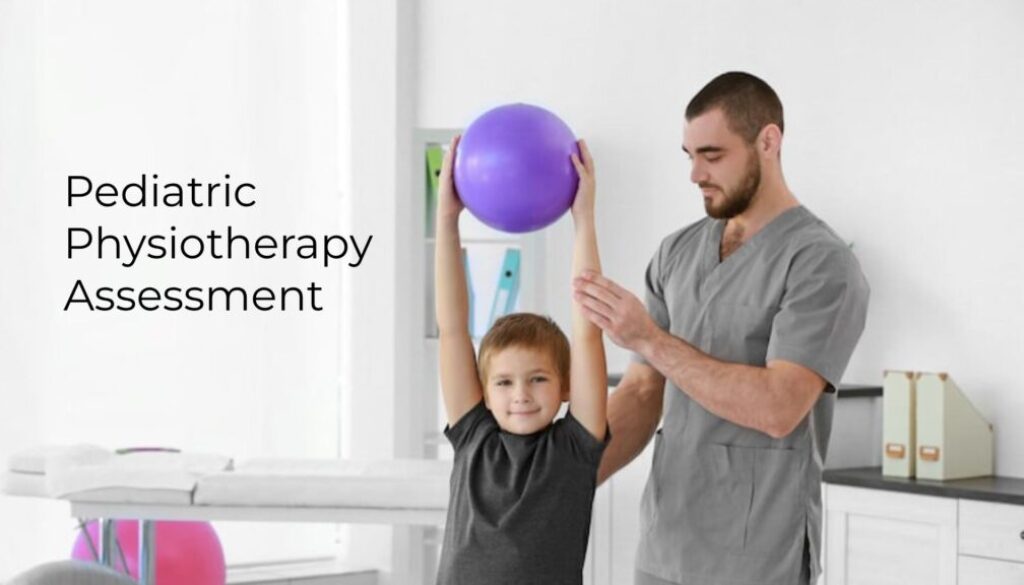
Pediatric Physiotherapy Assessment: A Complete Parent Guide
Understanding pediatric physiotherapy assessment is crucial for parents who want to ensure their child receives the best possible care for developmental delays, movement disorders, or physical challenges. As specialized physiotherapy services become increasingly accessible through home visits in Bangalore, knowing what to expect during an assessment can help you prepare and make informed decisions about your child’s treatment journey.
What is Pediatric Physiotherapy Assessment?
A pediatric physiotherapy assessment is a comprehensive evaluation process conducted by specialized pediatric physiotherapists to identify developmental delays, movement disorders, and physical challenges in children from infancy through adolescence. This systematic approach uses standardized assessment tools, clinical observations, and detailed medical history to create an accurate picture of your child’s current abilities and developmental needs.
Unlike adult physiotherapy, pediatric assessments are tailored to understand the unique developmental stages of growing children. The evaluation considers not just physical limitations but also how these challenges impact a child’s ability to participate in daily activities, schoolwork, and social interactions.
When Should Your Child Have a Physiotherapy Assessment?
Parents often wonder when it’s appropriate to seek a pediatric physiotherapy assessment. Early identification and intervention can make a significant difference in your child’s developmental outcomes.
Key Signs That Your Child May Need Assessment
Developmental Milestone Delays: If your child isn’t reaching expected motor milestones such as rolling over, sitting independently, crawling, or walking at the typical age ranges, an assessment can identify potential concerns.
Movement and Coordination Issues: Difficulty with balance, coordination, or gross motor skills like running, jumping, or climbing stairs may indicate underlying neuromuscular or musculoskeletal challenges.
Posture and Muscle Tone Problems: Observe if your child displays unusual posture, appears excessively floppy (hypotonia) or stiff (hypertonia), or shows asymmetrical movement patterns.
Neurological Conditions: Children diagnosed with cerebral palsy, spina bifida, muscular dystrophy, developmental coordination disorder, or recovering from traumatic brain injury require specialized pediatric physiotherapy evaluation.
Post-Surgical Recovery: Following orthopedic surgeries or other medical procedures, physiotherapy assessment helps establish appropriate rehabilitation goals.
Sports Injuries or Musculoskeletal Pain: Active children experiencing sports-related injuries, joint pain, or muscle weakness benefit from professional assessment to prevent long-term complications.
For specialized Pediatric Physiotherapy services at your doorstep in Bangalore, experienced physiotherapists can conduct thorough assessments in the comfort of your home, reducing stress for both parent and child.
Components of a Comprehensive Pediatric Physiotherapy Assessment
A thorough pediatric physiotherapy assessment involves multiple components that work together to provide a complete understanding of your child’s condition and needs.
Initial Consultation and Medical History
The assessment begins with a detailed discussion about your child’s background. Your physiotherapist will gather information about:
Prenatal and Birth History: Questions about pregnancy complications, gestational age (full-term, preterm, or post-term), delivery type (normal vaginal delivery or caesarean section), birth presentation, APGAR scores, and any immediate postnatal complications provide essential context for understanding potential developmental risks.
Developmental Milestones: Documentation of when your child achieved key milestones including head control, rolling, sitting, crawling, standing, walking, and fine motor skills helps identify specific areas of delay.
Family Medical History: Information about genetic conditions, hereditary neuromuscular disorders, or developmental delays in family members can offer valuable diagnostic insights.
Current Functional Abilities: Understanding what your child can do independently at home, school, and in the community establishes baseline function and helps set realistic, meaningful goals.
Previous Interventions: Records of past medical treatments, surgeries, medications, and any previous physiotherapy or occupational therapy sessions inform the current treatment approach.
Physical Examination and Observation
Following the interview, the physiotherapist conducts a hands-on physical examination to assess various aspects of your child’s physical function.
Posture and Alignment Assessment: The physiotherapist observes your child’s posture in different positions including supine (lying on back), prone (lying on stomach), sitting, and standing. They look for asymmetries, spinal curves, and alignment issues that might affect movement.
Muscle Tone Evaluation: Through gentle handling and passive movement, the physiotherapist assesses whether muscle tone is normal, increased (hypertonia/spasticity), or decreased (hypotonia). The Modified Ashworth Scale is commonly used to grade spasticity levels in children with neurological conditions.
Range of Motion Testing: Each joint is moved through its full range to identify any limitations, tightness, or contractures that might restrict movement. Both active (child moves independently) and passive (therapist moves the joint) range of motion are evaluated.
Muscle Strength Assessment: For children over five years, manual muscle testing quantifies strength on a standardized scale. For younger children, therapists document whether the child can move against gravity and observe functional strength during play activities.
Reflex Testing: Primitive reflexes (present in infants) and postural reflexes are assessed. Persistence of primitive reflexes beyond expected ages may indicate neurological concerns, while development of appropriate postural reactions demonstrates maturing motor control.
Sensory Examination: Testing touch sensation, proprioception (body position awareness), and vestibular function (balance and spatial orientation) helps identify sensory processing issues that affect motor performance.
For children requiring Neurological Physiotherapy, specialized neurological examination techniques assess cranial nerve function, coordination, and motor planning abilities.
Movement Analysis and Functional Assessment
Observing how your child moves during functional activities provides crucial information about motor control, coordination, and compensatory strategies.
Gross Motor Skills Evaluation: The physiotherapist watches your child perform age-appropriate movements such as rolling, crawling, walking, running, jumping, hopping, and climbing. They analyze movement quality, symmetry, fluidity, and efficiency.
Gait Analysis: For ambulatory children, detailed observation of walking patterns identifies abnormalities in stride length, step width, foot placement, arm swing, trunk rotation, and overall gait symmetry. Video analysis may be used for detailed assessment.
Balance and Coordination Testing: Activities challenging static balance (standing still) and dynamic balance (moving while maintaining stability) reveal vestibular and proprioceptive function. Coordination tests assess the child’s ability to perform smooth, controlled movements.
Fine Motor Skills Observation: While primarily assessed by occupational therapists, pediatric physiotherapists also observe hand-eye coordination, grasp patterns, and manipulation skills as these relate to overall motor development.
Functional Mobility: Assessment of how children move through their daily environment includes transfers (moving from sitting to standing), stair negotiation, floor mobility, and use of assistive devices if applicable.
Children recovering from surgery may benefit from specialized Post Surgical Physiotherapy that focuses on restoring optimal movement patterns and preventing compensatory habits.
Standardized Assessment Tools and Outcome Measures
Pediatric physiotherapists use validated, standardized assessment tools to objectively measure your child’s abilities and track progress over time. These evidence-based instruments ensure consistency across evaluations and provide reliable data for treatment planning.
Common Assessment Tools for Infants
Alberta Infant Motor Scale (AIMS): This observational assessment evaluates gross motor skills in infants from birth to 18 months across four positions: prone, supine, sitting, and standing. AIMS helps identify motor delays early and predict developmental outcomes.
Infant Neurological International Battery (INFANIB): Used for infants up to 18 months, this tool assesses neurological signs, vestibular function, and motor development to identify risk of cerebral palsy or other neurological conditions.
General Movements Assessment (GMA): For infants from birth to 20 weeks, GMA involves analyzing spontaneous movements through video observation. Absence of “fidgety movements” has high sensitivity and specificity for predicting cerebral palsy, making it an essential early detection tool.
Test of Infant Motor Performance (TIMP): Designed for infants from 32 weeks postmenstrual age through four months corrected age, TIMP is particularly useful for assessing premature infants and those at high risk for developmental delays.
Assessment Tools for Children
Gross Motor Function Measure (GMFM-66 and GMFM-88): The gold standard assessment for children with cerebral palsy, GMFM quantifies changes in gross motor function across five dimensions: lying and rolling, sitting, crawling and kneeling, standing, and walking/running/jumping. The GMFM-66 provides interval-level scores ideal for measuring change, while GMFM-88 offers detailed item-level information.
Pediatric Balance Scale: Adapted from the adult Berg Balance Scale, this 14-item assessment evaluates functional balance in children with mild to moderate motor impairments. It’s reliable for children with cerebral palsy and other balance disorders.
Movement Assessment Battery for Children (MABC-2): This comprehensive tool identifies and describes movement difficulties in children aged 3-16 years, assessing manual dexterity, ball skills, and static/dynamic balance.
Peabody Developmental Motor Scales (PDMS-2): Assessing children from birth through five years, PDMS-2 evaluates both gross motor skills (reflexes, locomotion, object manipulation) and fine motor skills (grasping, visual-motor integration).
Timed Up and Go Test (TUG): A functional mobility test measuring the time taken to stand from a chair, walk three meters, turn around, walk back, and sit down. It’s particularly useful for assessing fall risk and functional mobility in children with various conditions.
Functional Classification Systems
Beyond numerical assessment tools, classification systems help categorize functional abilities and guide intervention planning.
Gross Motor Function Classification System (GMFCS): This five-level system classifies the gross motor function of children with cerebral palsy based on self-initiated movement abilities, need for assistive technology, and mobility. GMFCS helps predict long-term outcomes and guides realistic goal-setting.
Manual Ability Classification System (MACS): Classifies how children with cerebral palsy use their hands to handle objects in daily activities, ranging from level I (handles objects easily and successfully) to level V (does not handle objects and has severely limited ability to perform even simple actions).
Communication Function Classification System (CFCS): Though not primarily used by physiotherapists, understanding a child’s communication abilities helps create appropriate intervention approaches and facilitates better patient-therapist interaction.
Specialized Assessments for Specific Conditions
Different pediatric conditions require specialized evaluation approaches to address their unique challenges.
Cerebral Palsy Assessment
Children with cerebral palsy require comprehensive, multidisciplinary assessment focusing on:
Spasticity Measurement: The Modified Ashworth Scale or Tardieu Scale quantifies muscle tone and spasticity across different joints. This information guides decisions about tone management interventions including stretching programs, orthotic prescription, or medical treatments like botulinum toxin injections.
Selective Motor Control Assessment: Evaluating the ability to isolate single joint movements without activating other muscles provides insight into motor planning challenges and helps predict functional outcomes.
Hip Surveillance: Regular assessment of hip positioning through physical examination and radiographic imaging helps detect early hip displacement, a common secondary complication in cerebral palsy that requires monitoring and intervention.
Gait Analysis: Detailed walking pattern analysis using clinical observation or sophisticated motion analysis systems identifies specific gait deviations, informs orthotic design, and helps plan surgical interventions when necessary.
Functional Mobility Scales: Tools like the Functional Mobility Scale assess walking ability at different distances using various levels of assistive devices, providing practical information about real-world mobility.
Developmental Delay Assessment
For children with global developmental delays or developmental coordination disorder:
Developmental Milestone Screening: Systematic assessment of achievement across motor, cognitive, language, and social-emotional domains identifies areas of delay requiring intervention.
Motor Planning and Coordination Tests: Activities requiring sequencing of movements, bilateral coordination, and motor memory reveal praxis difficulties common in developmental coordination disorder.
Sensory Processing Evaluation: Assessing how children respond to sensory input helps identify sensory integration challenges that impact motor performance. This often involves collaboration with occupational therapists.
Musculoskeletal and Sports Injury Assessment
For children with orthopedic conditions or sports injuries:
Joint-Specific Examination: Detailed assessment of affected joints including special tests for ligament integrity, meniscal tears, tendon pathology, and joint stability guides diagnosis and treatment.
Biomechanical Analysis: Evaluating movement patterns during sport-specific activities identifies faulty mechanics that contributed to injury and need correction to prevent recurrence.
Strength and Flexibility Testing: Quantifying strength deficits and flexibility limitations provides baseline data and measurable outcomes for rehabilitation programs.
Active children often benefit from Sports Physiotherapy that focuses on injury prevention, performance optimization, and safe return to sport.
The Assessment Process: What to Expect
Understanding the assessment process helps parents and children feel more comfortable and prepared.
First Session Duration and Format
Initial pediatric physiotherapy assessments typically last 45-90 minutes, depending on the child’s age, condition complexity, and cooperation level. The physiotherapist structures the session to balance gathering necessary information with maintaining the child’s engagement and comfort.
For infants and very young children, much of the assessment occurs through play-based activities that naturally elicit the movements and skills being evaluated. Parents often don’t even realize a formal assessment is happening as their child plays with toys, explores the environment, or interacts with the therapist.
Older children and adolescents participate more directly in structured testing procedures, though therapists still maintain an engaging, non-threatening atmosphere. Explaining activities in age-appropriate language and allowing breaks as needed helps children cooperate throughout the session.
Creating a Comfortable Environment
Home-based assessments, like those provided by Physio at Your Doorstep, offer significant advantages for pediatric evaluations. Children feel more relaxed in familiar surroundings, display more typical behavior patterns, and parents can more easily demonstrate daily routines and challenges.
The physiotherapist brings any necessary equipment and adapts the assessment to the available space. Home assessment also allows the therapist to observe the actual environment where the child lives and plays, providing realistic insights for practical recommendations.
Parent and Caregiver Involvement
Parental participation is essential throughout pediatric physiotherapy assessment. Parents provide critical historical information, demonstrate their child’s typical abilities, and offer insights about behaviors and challenges the therapist might not observe during a single session.
Physiotherapists actively involve parents by:
- Asking detailed questions about development and daily function
- Requesting demonstrations of how parents handle or assist their child
- Discussing concerns and priorities for intervention
- Explaining findings in clear, accessible language
- Collaborating on goal-setting that reflects family priorities
- Providing preliminary strategies and recommendations
This partnership approach ensures assessment results translate into meaningful, practical intervention plans that families can implement effectively.
Interpreting Assessment Results and Next Steps
After completing the assessment, your physiotherapist synthesizes all gathered information to create a comprehensive picture of your child’s abilities, challenges, and needs.
Understanding the Assessment Report
The written assessment report typically includes:
Subjective Information: Summary of medical history, developmental background, current concerns, and functional status as reported by parents and observed by the therapist.
Objective Findings: Detailed results from physical examination, movement analysis, and standardized testing, often with numerical scores and percentile rankings where applicable.
Assessment/Clinical Impression: The physiotherapist’s professional interpretation of findings, identification of primary problems and contributing factors, and clinical reasoning about the child’s condition.
Problem List: Specific impairments, activity limitations, and participation restrictions identified through assessment, prioritized based on impact on function and family goals.
Goals and Prognosis: Measurable, time-bound objectives for treatment alongside realistic expectations for improvement based on diagnosis, severity, and evidence-based outcomes for similar conditions.
Treatment Plan: Recommended intervention approaches, treatment frequency and duration, need for equipment or modifications, and referrals to other specialists if indicated.
Developing an Individualized Treatment Plan
Based on assessment findings, your physiotherapist creates a customized intervention plan addressing your child’s specific needs and family priorities. Treatment approaches might include:
Therapeutic Exercise: Strengthening, stretching, coordination, and balance activities tailored to your child’s abilities and designed to progress as they improve.
Manual Therapy Techniques: Hands-on treatments including soft tissue mobilization, joint mobilization, and handling techniques to improve movement quality and reduce restrictions.
Neurodevelopmental Treatment: Specialized handling and positioning techniques that facilitate normal movement patterns and inhibit abnormal tone and reflexes in children with neurological conditions.
Functional Training: Practice of daily activities in meaningful contexts, teaching compensatory strategies where necessary and promoting independence in age-appropriate tasks.
Equipment Prescription: Recommendations for orthotics, assistive devices, adaptive equipment, or positioning aids that support optimal development and function.
Home Exercise Program: Activities parents can facilitate between therapy sessions to maximize progress and carry over skills into daily routines.
Parent Education and Training: Teaching parents and caregivers handling techniques, positioning strategies, and ways to facilitate development during daily activities.
Many families appreciate the convenience of Orthopaedic Physiotherapy at home for children recovering from fractures, surgeries, or dealing with musculoskeletal conditions.
Ongoing Monitoring and Reassessment
Pediatric physiotherapy is not a one-time intervention but an ongoing process of monitoring, adjustment, and progression.
Regular Progress Assessment: Periodic reassessment using the same standardized tools allows objective measurement of change and determines whether interventions are effective. Frequency of reassessment depends on the condition and treatment intensity but typically occurs every 3-6 months.
Goal Adjustment: As children achieve initial goals, new objectives are established to continue progressing toward optimal function. Goals also adapt if progress differs from expectations or priorities change.
Treatment Modification: Based on response to intervention, the physiotherapist adjusts techniques, intensity, and approaches to optimize outcomes. What works for one child or at one developmental stage may need modification as the child grows.
Transition Planning: As children age, transition points (entering school, changing school levels, approaching adulthood) require reassessment and adjustment of intervention approaches and goals to match new environmental demands and expectations.
Evidence-Based Benefits of Early Pediatric Physiotherapy Assessment
Research consistently demonstrates that early identification and intervention through pediatric physiotherapy assessment produces superior outcomes compared to delayed or absent intervention.
Impact on Developmental Outcomes
Studies show that infants at high risk for cerebral palsy who receive early intervention before 12 months of age achieve better motor outcomes than those starting treatment later. The developing brain’s neuroplasticity is greatest in early life, making intervention during this critical period more effective for establishing optimal movement patterns.
For children with developmental coordination disorder, early physiotherapy intervention significantly improves motor skills, reduces activity limitations, and enhances participation in physical activities and sports. These improvements often persist long-term and reduce risk of secondary consequences like obesity, poor self-esteem, and social isolation.
Prevention of Secondary Complications
Early assessment and intervention help prevent secondary complications common in pediatric conditions:
Contracture Prevention: Regular stretching and positioning guided by physiotherapy assessment prevents or minimizes development of fixed joint limitations that restrict movement and require surgical intervention.
Hip Displacement Prevention: In cerebral palsy, early identification of hip subluxation risk factors and implementation of preventive programs significantly reduces rates of hip dislocation requiring surgery.
Scoliosis Management: Early detection and treatment of spinal curvature through physiotherapy, orthotic management, and positioning can delay or prevent need for surgical fusion.
Strength Maintenance: Structured exercise programs prevent deconditioning and maintain functional strength despite progressive conditions or periods of immobilization.
Family Support and Empowerment
Beyond direct effects on the child, early physiotherapy assessment provides significant benefits to families:
Reduced Parental Anxiety: Understanding their child’s condition, prognosis, and treatment plan reduces parental stress and uncertainty. Research shows delayed diagnosis worsens parental mental health, while early diagnosis followed by intervention and support improves family wellbeing.
Skills and Strategies: Parents learn practical techniques for handling, positioning, and facilitating their child’s development, empowering them as active participants in their child’s care rather than passive observers.
Connection to Resources: Physiotherapists connect families with community resources, support groups, equipment suppliers, educational advocacy organizations, and other services that enhance quality of life.
Peer Support Networks: Through therapy programs and support groups, families connect with others facing similar challenges, reducing isolation and providing practical advice from experienced parents.
Choosing the Right Pediatric Physiotherapist in Bangalore
Selecting an experienced, qualified pediatric physiotherapist ensures your child receives the highest quality assessment and treatment.
Essential Qualifications and Experience
Look for physiotherapists with:
Specialized Pediatric Training: Beyond general physiotherapy degree, additional certification or extensive training in pediatric physiotherapy demonstrates specialized knowledge of child development, pediatric conditions, and age-appropriate interventions.
Experience with Your Child’s Condition: Physiotherapists who regularly treat children with similar conditions bring valuable expertise and are familiar with evidence-based approaches and expected outcomes.
Ongoing Professional Development: Regular attendance at workshops, conferences, and continuing education demonstrates commitment to staying current with best practices and research.
Licensure and Registration: Verify the physiotherapist maintains current registration with the Karnataka State Council for Physiotherapy and relevant professional organizations.
Questions to Ask
When evaluating pediatric physiotherapy services, consider asking:
- What is your experience treating children with conditions like my child’s?
- What assessment tools and outcome measures do you use?
- How do you involve parents in the assessment and treatment process?
- What is your treatment philosophy and approach?
- How often will my child need treatment sessions?
- How do you measure progress and adjust treatment plans?
- Do you collaborate with other professionals (pediatricians, therapists, educators)?
- What equipment or modifications might my child need?
- Can you provide home-based services?
Benefits of Home-Based Pediatric Physiotherapy Assessment
Home-based physiotherapy assessment offers unique advantages for families:
Reduced Stress: Children often cooperate better in familiar surroundings without the anxiety of clinical environments. Transportation challenges, parking difficulties, and disrupted routines are eliminated.
Realistic Evaluation: Seeing how your child functions in their actual living environment provides more accurate assessment of daily abilities and challenges than clinic-based observation.
Environmental Assessment: The physiotherapist can evaluate home accessibility, identify safety hazards, and provide specific recommendations for modifications that support your child’s independence and safety.
Family-Centered Care: Home visits facilitate involvement of all family members and caregivers, ensuring everyone understands the child’s needs and learns appropriate handling techniques.
Convenience: Especially beneficial for families with multiple children, single parents, or those without reliable transportation, home visits remove logistical barriers to accessing care.
Flexible Scheduling: Home-based services often offer more scheduling flexibility, accommodating family routines and reducing missed therapy sessions due to scheduling conflicts.
For comprehensive Geriatric Physiotherapy alongside pediatric care when grandparents live with the family, home visits efficiently address multiple generations’ needs.
Cost Considerations and Insurance Coverage
Understanding the financial aspects of pediatric physiotherapy assessment helps families plan accordingly.
Typical Assessment Costs in Bangalore
Initial pediatric physiotherapy assessments in Bangalore typically range from ₹500 to ₹2,000, varying based on:
- Therapist experience and specialization
- Assessment complexity and duration
- Clinic location and overhead costs
- Home visit travel distance
- Standardized testing materials used
Follow-up treatment sessions are generally less expensive than initial assessments, ranging from ₹400 to ₹800 per session.
Insurance and Financial Assistance
Many health insurance plans in India now include coverage for physiotherapy services, though coverage extent varies significantly:
Private Health Insurance: Review your policy for physiotherapy benefits, including covered conditions, session limits, co-payment requirements, and network providers. Some insurers require pre-authorization for physiotherapy services.
Government Programs: Various state and central government schemes support children with disabilities, potentially covering physiotherapy costs. The Pradhan Mantri Jan Arogya Yojana (PM-JAY) and state health programs may include physiotherapy benefits.
Disability Certificates: Obtaining a disability certificate through government channels can provide access to subsidized or free services, educational accommodations, and financial assistance programs.
Non-Profit Organizations: Several organizations provide financial assistance or subsidized therapy services for children with specific conditions like cerebral palsy, muscular dystrophy, or developmental delays.
Discuss payment options, package rates for multiple sessions, and financial assistance possibilities with your chosen physiotherapy provider. Many practices offer flexible payment plans to make care accessible.
Conclusion: Taking the First Step Toward Your Child’s Optimal Development
Pediatric physiotherapy assessment is a comprehensive, family-centered process that provides essential information about your child’s motor development, physical abilities, and functional needs. Through systematic evaluation using specialized techniques and standardized assessment tools, pediatric physiotherapists identify specific challenges, establish baseline function, and create evidence-based intervention plans tailored to your child’s unique needs and your family’s priorities.
Early assessment and intervention can significantly impact your child’s developmental trajectory, preventing secondary complications, maximizing functional abilities, and supporting participation in daily activities, education, and social interactions. Whether your child has a diagnosed condition requiring specialized care or you have concerns about their movement and development, professional assessment provides clarity, direction, and hope.
For families in Bangalore seeking convenient, high-quality pediatric physiotherapy assessment, home-based services eliminate transportation barriers and create a comfortable, familiar environment for evaluation. Experienced pediatric physiotherapists can conduct thorough assessments in your home, providing personalized recommendations that fit seamlessly into your daily routines.
Don’t wait if you have concerns about your child’s development. Early identification and intervention offer the best opportunity for optimal outcomes. Contact a qualified pediatric physiotherapist today to schedule an assessment and take the first step toward supporting your child’s physical potential.
For comprehensive pediatric physiotherapy assessment at your doorstep in Bangalore, contact Physio at Your Doorstep to schedule a consultation with experienced pediatric specialists who understand your child’s unique needs.
Additional Resources
For further information about pediatric physiotherapy and related services:
- American Physical Therapy Association (APTA) – Pediatric Section: Comprehensive resources on pediatric physical therapy assessment and intervention
- Physiopedia: Evidence-based information on pediatric assessment tools and techniques
- CDC Developmental Milestones: Age-specific guidelines for monitoring child development
- World Confederation for Physical Therapy (WCPT): International standards and resources for pediatric physiotherapy
- Indian Association of Physiotherapists: Professional organization supporting physiotherapy practice in India
This comprehensive guide provides educational information about pediatric physiotherapy assessment. Always consult with qualified healthcare professionals for specific medical advice regarding your child’s individual needs.