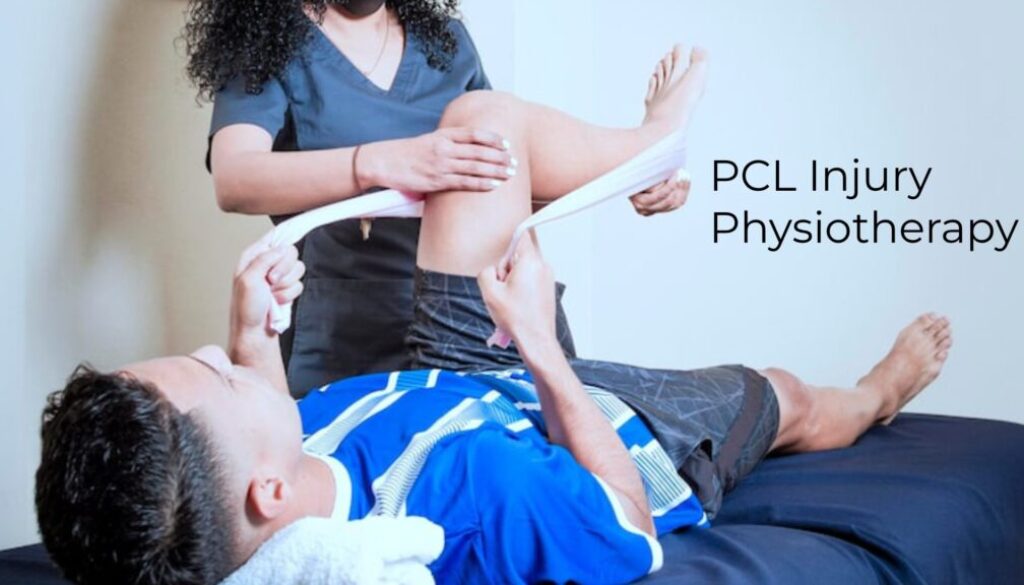
Physiotherapy for PCL Injury Recovery: Complete Guide
Recovering from a Posterior Cruciate Ligament (PCL) injury can feel overwhelming, especially when you’re dealing with pain, limited mobility, and uncertainty about your return to normal activities. Whether you’re an athlete, an accident survivor, or someone dealing with chronic knee instability, understanding the role of physiotherapy in PCL injury recovery is crucial for optimal healing and long-term knee health.
At Physio at Your Doorstep, we specialize in providing personalized, evidence-based physiotherapy for PCL injuries right in the comfort of your home across Bangalore. This comprehensive guide will walk you through everything you need to know about PCL injury rehabilitation, treatment protocols, and how professional physiotherapy can accelerate your recovery journey.
Understanding PCL Injuries: What You Need to Know
The posterior cruciate ligament is the largest and strongest ligament in your knee, located at the back of the joint where it connects your femur (thighbone) to your tibia (shinbone). Unlike its more commonly injured counterpart, the anterior cruciate ligament, PCL injuries require significant force and account for less than 20% of all knee ligament injuries.
Common Causes of PCL Injuries
PCL injuries typically occur through high-impact trauma rather than simple twisting movements. The most frequent causes include:
Dashboard injuries remain one of the leading causes, occurring when your bent knee strikes the dashboard during motor vehicle accidents. This direct blow to the front of your knee forces the tibia backward, stretching or tearing the PCL.
Sports-related trauma affects athletes in contact sports like football, rugby, and soccer. Landing on a bent knee with your foot pointed downward, particularly during tackles or falls, can result in PCL damage.
Extreme hyperextension of the knee beyond its normal range of motion can overstretch the ligament. This commonly occurs in skiing accidents, gymnastics, and high-impact athletic activities.
Research indicates that approximately 50% of PCL injuries result from vehicle accidents, while the remaining half occur during sports activities. The powerful force required to injure this robust ligament often means PCL tears are accompanied by other knee injuries, including damage to the ACL, meniscus, or collateral ligaments.
Recognizing PCL Injury Symptoms
Unlike ACL injuries, PCL tears often present with more subtle symptoms initially, which can lead to delayed diagnosis. Understanding these signs is critical for seeking timely treatment:
Pain patterns typically manifest as discomfort at the back of the knee, which may worsen over time rather than immediately after injury. Many patients describe a deep, aching sensation that intensifies with prolonged standing or walking.
Swelling and inflammation usually develop within 2-3 hours of injury as bleeding occurs around the torn ligament. However, swelling may be less dramatic compared to other ligament injuries.
Knee instability creates a sensation that your knee might buckle or give way, particularly when walking downstairs or on uneven surfaces. This feeling of weakness becomes more pronounced during activities requiring quick direction changes.
Limited range of motion and stiffness make bending the knee difficult, especially in deep flexion. You might notice difficulty kneeling or squatting without discomfort.
Walking difficulties vary depending on injury severity. Mild PCL injuries may allow relatively normal walking with minor limping, while severe tears can make weight-bearing extremely painful and challenging.
PCL Injury Grades and Classification
Healthcare providers categorize PCL injuries into four distinct grades, which directly influence treatment approaches:
Grade I injuries involve a partial ligament tear with minimal joint laxity. The knee remains relatively stable, and conservative treatment with physiotherapy typically achieves excellent outcomes.
Grade II injuries feature a partial tear exceeding 50% of the ligament with moderate joint laxity. These injuries cause noticeable instability and require comprehensive rehabilitation programs.
Grade III injuries represent complete ligament tears with significant knee instability. Treatment decisions depend on factors including patient age, activity level, and associated injuries. Many isolated Grade III injuries respond well to non-operative management with specialized physiotherapy.
Grade IV injuries involve PCL damage combined with other ligament injuries, often requiring surgical intervention followed by extensive rehabilitation.
Why Physiotherapy Is Essential for PCL Injury Recovery
Physiotherapy serves as the cornerstone of PCL injury rehabilitation, whether you’re managing your injury conservatively or recovering from surgical reconstruction. Research consistently demonstrates that well-structured physiotherapy programs produce excellent functional outcomes, with studies showing 91% of patients returning to their pre-injury activity levels within two years.
The Science Behind PCL Healing
The PCL possesses remarkable intrinsic healing capacity compared to other knee ligaments. This inherent ability to repair itself makes it particularly responsive to conservative treatment approaches. However, proper rehabilitation is crucial to ensure the ligament heals in the correct position and maintains optimal tension.
During the healing process, controlling posterior tibial translation, the backward movement of your shin bone, becomes paramount. Without appropriate management through physiotherapy, the ligament may heal in an elongated position, leading to chronic instability and increased risk of osteoarthritis development.
Benefits of Professional Physiotherapy for PCL Recovery
Pain and swelling management through evidence-based modalities helps reduce discomfort during the critical early healing phases. Techniques including cryotherapy, compression, and therapeutic positioning minimize inflammation and promote tissue healing.
Restoration of range of motion occurs progressively through carefully structured exercises that avoid placing excessive stress on the healing ligament. Your physiotherapist designs specific protocols to regain full knee extension and flexion while protecting the PCL.
Muscle strengthening and activation focuses particularly on quadriceps development, as these muscles play a vital role in knee stability by drawing the tibia forward and counteracting posterior translation forces. Proper muscle function reduces strain on the healing PCL.
Proprioception and balance training helps restore your body’s awareness of knee position and movement. This neuromuscular retraining is essential for preventing re-injury and enabling confident return to activities.
Functional restoration involves progressive exercises that simulate your daily activities and sports-specific movements, ensuring you can safely return to your desired activity level.
Prevention of long-term complications through appropriate rehabilitation significantly reduces your risk of developing knee osteoarthritis, a common consequence of untreated or improperly managed PCL injuries.
Comprehensive Physiotherapy Treatment Protocol for PCL Injuries
Professional PCL rehabilitation follows a structured, phase-based approach that respects tissue healing timelines while progressively restoring function. Understanding these phases helps you appreciate the journey ahead and set realistic recovery expectations.
Phase 1: Initial Protection and Symptom Control (Weeks 0-6)
The first six weeks following PCL injury are critical for establishing proper healing conditions and preventing complications.
Primary Goals:
- Protect the PCL from excessive stress
- Control pain and reduce swelling
- Maintain basic knee mobility
- Initiate gentle muscle activation
- Educate about proper movement patterns
Treatment Interventions:
Your physiotherapist implements several key strategies during this phase:
Dynamic bracing represents a significant advancement in PCL management. A specialized PCL brace applies continuous anterior force to your tibia, counteracting gravity’s tendency to cause posterior sagging. Ideally worn for 24 hours daily (except during showering) for the first 16 weeks, these braces have demonstrated the ability to reduce posterior tibial translation by approximately 2.3mm over 12 months.
Weight-bearing modifications initially limit the load through your injured knee to allow proper tissue healing. Your physiotherapist provides guidance on crutch use and progression of weight-bearing as symptoms improve.
Positioning strategies are crucial for preventing posterior tibial sag. You’ll learn to avoid positions like wall slides that encourage backward tibial movement. Sleeping with a pillow under your proximal tibia helps maintain optimal tibial position during rest.
Gentle range of motion exercises begin early but are carefully controlled. All ROM work is performed in prone (lying face down) or side-lying positions to limit gravity’s effect on the tibia. Your physiotherapist will prescribe specific exercises like heel slides and passive flexion stretches.
Quadriceps activation starts immediately with isometric quad sets. You’ll learn to contract your thigh muscles without moving the knee, drawing the patella upward while keeping your leg straight. This simple but vital exercise should be performed frequently throughout the day, aim for 10 repetitions every waking hour.
Ankle mobility exercises including pumps and circles maintain lower leg circulation and prevent stiffness in adjacent joints.
Critical Restrictions:
Understanding what to avoid is just as important as knowing what exercises to perform:
- No isolated hamstring exercises for at least 16 weeks, as hamstring activation pulls the tibia posteriorly and stresses the healing PCL
- Avoid hyperextension movements during the first 12 weeks
- Limited deep knee flexion in weight-bearing positions initially
- No impact activities or jumping movements
Our specialized Orthopaedic Physiotherapy services ensure you receive expert guidance through this critical early phase, with regular assessment and adjustment of your treatment plan.
Phase 2: Progressive Loading and Strength Building (Weeks 6-12)
As your PCL begins healing and symptoms improve, rehabilitation intensifies with carefully progressed strengthening exercises.
Primary Goals:
- Progress weight-bearing activities
- Build quadriceps and hip strength
- Improve functional mobility
- Enhance knee proprioception
- Gradually increase range of motion
Exercise Progressions:
Stationary cycling typically begins once you achieve 115 degrees of knee flexion. Start with short sessions of 10-15 minutes, focusing on smooth pedaling without resistance. Gradually increase duration and add light resistance as tolerated.
Closed-chain exercises form the foundation of strengthening during this phase because they minimize posterior tibial translation forces. Your program will include:
Mini squats (0-45 degrees of knee flexion) teach proper movement patterns while building quadriceps strength. Start with body weight only, maintaining control throughout the movement.
Step-ups on low platforms (4-6 inches initially) develop functional strength and coordination. Focus on proper knee alignment, keeping your knee tracking over your toes.
Leg press exercises allow controlled strengthening in a supported position. Keep range of motion limited to 0-60 degrees initially, gradually progressing as strength improves.
Balance and proprioception training begins with simple single-leg standing exercises, progressing to unstable surfaces like balance pads or BOSU balls as your stability improves.
Hip strengthening exercises target gluteal muscles and hip abductors, which play crucial roles in knee stability. Include exercises like clamshells, side-lying leg raises, and bridging variations.
Swimming and pool exercises may be introduced if you have access to aquatic facilities. The buoyancy of water supports your body weight while allowing full range of motion exercises. However, avoid breaststroke kicking which can stress the PCL.
This phase benefits greatly from professional guidance, and our Sports Physiotherapy specialists can provide sport-specific programming for athletes.
Phase 3: Advanced Strengthening and Functional Training (Weeks 12-20)
By week 12, most patients experience significant improvement in symptoms and function. This phase focuses on building the strength and endurance necessary for demanding activities.
Primary Goals:
- Achieve full range of motion
- Develop symmetrical strength between legs
- Progress to full weight-bearing exercises
- Begin sport-specific training
- Enhance dynamic stability
Advanced Exercise Protocols:
Full-range squats can now be performed if you’ve achieved adequate strength and control. Start with body weight and gradually add resistance using dumbbells or a barbell. Proper form is crucial, ensure your knees track appropriately and avoid excessive forward knee translation.
Single-leg exercises challenge your stability and address any strength asymmetries:
Split squats in a stride stance develop unilateral strength. Use a pad or bench to control depth initially, progressing to deeper ranges and added resistance.
Single-leg deadlifts improve balance, hip strength, and posterior chain engagement while maintaining minimal knee flexion.
Lateral step-downs from a 6-8 inch platform enhance control in the frontal plane and strengthen the muscles that prevent knee valgus collapse.
Romanian deadlifts allow hamstring strengthening with minimal knee flexion, making them safer for PCL rehabilitation than traditional hamstring curls.
Plyometric preparation may begin toward the end of this phase if you meet specific criteria:
- Full, pain-free range of motion
- Quadriceps and hamstring strength at least 75% of your uninjured side
- Good quality movement patterns on single-leg step-downs
- No episodes of knee instability or giving way
Start with low-impact plyometrics like box jumps (where you step down rather than jump down) and progress gradually based on your response.
Cardiovascular conditioning advances from cycling to elliptical training and then to a progressive walking-to-jogging program if you plan to return to running activities.
Phase 4: Return to Sport and Activity (Weeks 20+)
The final rehabilitation phase prepares you for unrestricted return to your desired activities, whether that’s recreational sports, work demands, or daily life activities.
Primary Goals:
- Complete sport-specific training
- Achieve >90% strength symmetry
- Demonstrate confidence and quality movement
- Pass return-to-activity testing
- Implement injury prevention strategies
Return to Activity Criteria:
Your physiotherapist will assess multiple factors before clearing you for full activity:
Objective strength testing should demonstrate at least 85-90% quadriceps strength compared to your uninjured leg, with hamstring strength similarly balanced.
Functional testing includes hop tests (single-leg hop, triple hop, crossover hop, and timed hop) with results within 90% of your uninvolved leg.
Movement quality assessment evaluates your ability to perform complex movements like jumping, landing, cutting, and changing direction with proper mechanics and without compensation patterns.
Psychological readiness is equally important as physical preparation. You should feel confident in your knee’s stability and not fearful of reinjury.
Progressive Running Protocol:
If returning to running, follow a gradual progression:
- Week 1: 4 minutes walking, 1 minute jogging for 15-20 minutes total
- Week 2: 3 minutes walking, 2 minutes jogging for 20 minutes total
- Week 3: 2 minutes walking, 3 minutes jogging for 20 minutes total
- Week 4: 1 minute walking, 4 minutes jogging for 20 minutes total
- Progress to continuous running once intervals are comfortable
Sport-Specific Agility:
Begin with single-plane movements (forward/backward, side-to-side) before progressing to multi-planar cutting and pivoting exercises. Include:
- Shuttle runs
- Carioca drills
- Figure-eight running patterns
- Sport-specific footwork drills
For individuals recovering from surgery, this timeline extends significantly, often requiring 6-9 months before full return to unrestricted activity. Our Post Surgical Physiotherapy program provides comprehensive support throughout the extended post-operative rehabilitation journey.
Key Exercises for PCL Injury Rehabilitation
Understanding and correctly performing rehabilitation exercises is fundamental to your recovery success. Here are the essential exercises prescribed throughout your rehabilitation journey:
Foundational Exercises (All Phases)
Quad Sets: Lie on your back or sit with your leg extended. Tighten your thigh muscles, pushing the back of your knee down into the floor or bed. Hold for 6-10 seconds, then relax. Perform 10 repetitions every hour while awake. This exercise is the cornerstone of PCL rehabilitation.
Straight Leg Raises: Lie on your back with one knee bent and the other straight. Tighten the quadriceps of your straight leg, then lift it until both thighs are level. Hold briefly and lower slowly. Build to 3 sets of 15-20 repetitions.
Prone Knee Flexion: Lie face down on a firm surface. Slowly bend your affected knee, bringing your heel toward your buttocks. Hold for a few seconds and return to start. This gravity-assisted position is ideal for early ROM work.
Ankle Pumps and Circles: Move your ankle up and down and in circles while keeping your leg still. Perform 20-30 repetitions several times daily to maintain lower leg circulation.
Intermediate Strengthening Exercises
Mini Squats: Stand with feet shoulder-width apart. Slowly lower yourself 30-45 degrees, keeping weight through your heels. Return to standing. Progress from body weight to added resistance.
Step-Ups: Using a 4-6 inch platform initially, step up leading with your injured leg. Step down slowly with control. Progress to higher steps and added weight.
Bridging: Lie on your back with knees bent and feet flat. Lift your hips off the ground, forming a straight line from knees to shoulders. Hold for 5 seconds and lower. Progress to single-leg bridges.
Calf Raises: Stand on a step with heels hanging off the edge. Rise onto your toes, hold briefly, then lower your heels below step level. This exercise strengthens the gastrocnemius and soleus muscles that support knee stability.
Advanced Functional Exercises
Bulgarian Split Squats: Place your back foot on a bench or platform behind you. Lower into a single-leg squat position on your front leg. This advanced exercise builds significant single-leg strength.
Romanian Deadlifts: Hold dumbbells with arms extended. Hinge forward at the hips while maintaining a slight knee bend. Feel the stretch in your hamstrings and return to standing. This exercise allows safe hamstring strengthening during later rehabilitation phases.
Lateral Band Walks: Place a resistance band around your thighs. Take sideways steps while maintaining tension in the band. This exercise strengthens hip abductors crucial for knee stability.
Box Jumps (Step-Down Variation): Jump onto a low box, then step down carefully. This plyometric exercise builds power while minimizing landing impact forces.
PCL Surgery and Post-Operative Physiotherapy
While many PCL injuries heal successfully with conservative management, certain situations warrant surgical intervention. Understanding when surgery becomes necessary and what post-operative rehabilitation involves helps you make informed decisions about your care.
When Surgery Is Recommended
Surgical PCL reconstruction is typically considered for:
Multi-ligamentous knee injuries involving the PCL plus ACL, collateral ligaments, or posterolateral corner damage. These complex injuries require surgical stabilization to restore knee function.
Grade III tears with persistent instability despite comprehensive physiotherapy. If you continue experiencing significant giving way or functional limitations after 3-6 months of conservative treatment, surgery may provide better long-term outcomes.
Combined bony injuries including avulsion fractures where a piece of bone tears away with the ligament. These injuries often require surgical fixation.
High-demand athletes who need to return to competitive sports involving cutting, pivoting, and jumping movements may benefit from surgical reconstruction to achieve optimal knee stability.
Chronic PCL deficiency causing progressive symptoms like increased pain, functional limitations, or early signs of knee osteoarthritis may warrant delayed reconstruction.
Post-Surgical Rehabilitation Protocol
Recovery following PCL reconstruction typically requires 6-9 months of progressive rehabilitation, considerably longer than conservative management. The phases mirror those of non-operative treatment but with extended timelines and stricter initial restrictions.
Immediate Post-Operative Phase (0-2 weeks): Focus on wound healing, pain control, and initiating gentle range of motion. Your knee remains braced in extension, with limited weight-bearing using crutches.
Early Rehabilitation Phase (2-8 weeks): Gradual progression of range of motion to 90 degrees by week 6. Quad activation exercises continue intensively. The brace may be unlocked for controlled movement during supervised therapy.
Intermediate Phase (8-16 weeks): Progressive strengthening begins with increased range of motion goals. Weight-bearing advances to full by week 12. Closed-chain exercises form the foundation of strengthening.
Advanced Strengthening Phase (16-24 weeks): Introduction of more demanding exercises including full-range squats, lunges, and beginning plyometric work. Functional training intensifies with sport-specific movements.
Return to Sport Phase (24+ weeks): Gradual progression through running protocols, agility work, and sport-specific training. Return to unrestricted activity typically occurs between 9-12 months post-operatively once you meet all objective criteria.
Our specialized Post Surgical Physiotherapy services provide comprehensive support throughout your entire post-operative journey, with regular assessment and protocol adjustments based on your healing progress.
Preventing PCL Injuries and Re-Injury
While not all PCL injuries are preventable, particularly those resulting from motor vehicle accidents, implementing targeted prevention strategies significantly reduces your risk, especially for sports-related injuries.
Strengthening and Conditioning Programs
Lower extremity strength training focusing on quadriceps, hamstrings, glutes, and calf muscles creates a strong muscular foundation that supports knee joint stability. Aim for 2-3 strength training sessions weekly, incorporating both bilateral and unilateral exercises.
Core stability exercises improve overall body control and reduce compensatory movements that can stress the knee. Include planks, dead bugs, bird dogs, and rotational exercises in your routine.
Plyometric training develops proper landing mechanics and neuromuscular control. Progressive jump training teaches your body to absorb forces efficiently, reducing peak stresses on knee ligaments.
Neuromuscular Training
Balance and proprioception exercises enhance your body’s awareness of joint position and movement. Regular practice on unstable surfaces improves reactive stabilization.
Movement pattern training ensures you perform complex movements like cutting, pivoting, and landing with optimal mechanics. Focus on maintaining proper knee alignment, knees tracking over toes without excessive inward collapse (valgus).
Agility drills that challenge multi-directional movement patterns improve your ability to control knee position during rapid direction changes common in sports.
Sport-Specific Preparation
Pre-season conditioning prepares your body for sport demands before competitive season begins. Gradual progression of training intensity prevents the sudden overload that can lead to injury.
Proper equipment including well-fitted, appropriate footwear for your activity provides necessary traction and support. For contact sports, consider protective knee padding.
Technique refinement with coaching attention to proper movement mechanics during sport-specific activities reduces injury risk. Athletes should work with qualified coaches to optimize technique.
Lifestyle and General Health
Maintaining healthy body weight reduces stress on knee joints during daily activities and sports participation.
Vehicle safety practices including proper seatbelt use and maintaining safe following distances prevent dashboard injuries during motor vehicle accidents.
Regular movement and activity keeps joints healthy and muscles conditioned. Sedentary lifestyles lead to deconditioning that increases injury susceptibility.
The Advantage of Home-Based Physiotherapy for PCL Recovery
Recovering from a PCL injury requires consistent, high-quality physiotherapy over several months. Home-based physiotherapy offers unique advantages that can significantly enhance your recovery experience and outcomes.
Convenience and Accessibility
Elimination of travel stress removes the burden of commuting to clinic appointments, particularly valuable during early recovery when mobility is limited. You conserve energy for healing rather than expending it on transportation.
Flexible scheduling accommodates your personal and professional commitments. Morning, afternoon, or evening appointments fit seamlessly into your routine, improving adherence to your treatment program.
Reduced exposure to infections and viruses, especially important if you’ve undergone surgery and need to protect your healing surgical site.
Personalized, One-on-One Attention
Dedicated therapist focus during your entire session ensures no attention is divided among multiple patients. Your physiotherapist can carefully monitor your movement patterns, provide immediate feedback, and adjust exercises in real-time.
Customized home exercise environment allows your therapist to see exactly where you’ll be performing your daily exercises and provide modifications specific to your available space and equipment.
Family education and involvement enables loved ones to observe treatments and learn how to support your recovery journey. This creates a team approach to rehabilitation.
Enhanced Treatment Effectiveness
Real-world functional training in your actual living environment prepares you for the specific demands of your daily activities. Your physiotherapist can assess and address challenges you face navigating your home, including stairs, bathroom access, and sleeping arrangements.
Improved exercise adherence results when treatments feel less burdensome. Research shows patients who receive home-based therapy demonstrate higher compliance with exercise programs.
Comprehensive assessment of your home setup allows your therapist to identify safety concerns and recommend modifications that support recovery and prevent falls.
Cost-Effectiveness
Reduced indirect costs including transportation expenses, parking fees, and time away from work contribute to overall treatment affordability.
Efficient use of therapy time with no waiting room delays means your full session is dedicated to active treatment rather than administrative overhead.
At Physio at Your Doorstep, we bring expertise in PCL rehabilitation directly to homes across Bangalore, including JP Nagar, BTM Layout, Jayanagar, Koramangala, HSR Layout, and Whitefield. Our physiotherapists carry specialized equipment and have extensive experience managing complex knee injuries in the home setting.
Recovery Timeline and What to Expect
Understanding the typical PCL injury recovery timeline helps you set realistic expectations and stay motivated throughout your rehabilitation journey. However, remember that every injury and individual is unique, your specific timeline may vary based on injury severity, treatment approach, age, overall health, and commitment to your rehabilitation program.
Non-Operative Recovery Timeline
Weeks 0-6: Initial Healing Phase During this period, you’ll focus on protecting the ligament while managing symptoms. Most patients see significant reduction in pain and swelling by week 3-4. Walking typically normalizes within 2-4 weeks for mild to moderate injuries, though you may continue using crutches or a brace for support.
Weeks 6-12: Progressive Strengthening Your knee function improves substantially during this phase. You should regain full or near-full range of motion and begin building meaningful strength. Most patients can perform daily activities without limitation by week 10-12.
Weeks 12-20: Advanced Rehabilitation Strength continues improving, and you’ll progress to more demanding exercises and activities. Many patients return to modified work duties and low-impact recreational activities during this phase.
Weeks 20+: Return to Full Activity Research indicates an average of 16 weeks from injury to return to competitive sports for Grade II and III PCL injuries managed conservatively. Studies demonstrate that 91% of patients who returned to sports were able to play at the same level or higher at 2 years post-injury, with 69% maintaining that level at five-year follow-up.
Post-Surgical Recovery Timeline
Surgical reconstruction requires significantly longer healing periods:
Weeks 0-6: Acute Post-Operative Phase Focus on wound healing, pain management, and gradual range of motion restoration while protecting the graft. Weight-bearing is restricted, and you’ll use a locked brace for stability.
Weeks 6-12: Early Rehabilitation Progressive weight-bearing and range of motion advancement. Gentle strengthening begins, focusing primarily on quadriceps activation.
Weeks 12-24: Intermediate Strengthening Substantial improvements in strength and function. You’ll progress to full weight-bearing and more demanding exercise protocols.
Months 6-9: Advanced Rehabilitation Introduction of running, agility work, and sport-specific training. This phase prepares you for return to unrestricted activities.
Months 9-12: Return to Sport Gradual return to competitive sports once you demonstrate adequate strength, stability, and movement quality. Full recovery with return to pre-injury activity levels typically occurs within 9-12 months.
Factors Affecting Recovery Speed
Injury severity directly impacts healing time, with Grade I injuries recovering faster than Grade III tears.
Age and overall health influence tissue healing capacity and rehabilitation tolerance. Younger, healthier individuals typically progress faster.
Commitment to rehabilitation significantly affects outcomes. Patients who diligently perform home exercises and attend all therapy sessions recover faster and more completely.
Associated injuries to other knee structures extend recovery timelines and may complicate rehabilitation.
Previous injury history can affect healing potential and may indicate underlying factors that need addressing during rehabilitation.
Conclusion: Your Path to Complete Recovery
Recovering from a PCL injury requires patience, dedication, and expert guidance, but the journey leads to excellent outcomes for most patients. Whether you’re managing your injury conservatively or recovering from surgical reconstruction, comprehensive physiotherapy forms the foundation of successful rehabilitation.
Understanding that PCL injuries possess unique healing characteristics compared to other ligament injuries helps you appreciate why non-operative management achieves such positive results. The ligament’s remarkable intrinsic healing capacity, combined with structured rehabilitation that protects the tissue while progressively restoring function, allows most patients to return to their desired activity levels.
Key takeaways for successful PCL recovery include:
Early intervention significantly impacts outcomes. Seeking professional physiotherapy assessment soon after injury ensures proper diagnosis and immediate implementation of appropriate treatment strategies.
Consistent adherence to your exercise program cannot be overstated. Daily commitment to prescribed exercises, even when they seem simple or repetitive, accelerates healing and prevents complications.
Progressive rehabilitation that respects tissue healing timelines while challenging your improving capabilities creates the optimal environment for restoration of strength, stability, and confidence.
Professional guidance throughout your recovery journey provides expert monitoring, timely progression of exercises, identification of potential complications, and psychological support during challenging phases.
Long-term perspective recognizes that complete healing and return to high-level activities takes time. Rushing the process increases reinjury risk and can lead to chronic instability.
At Physio at Your Doorstep, we understand the physical and emotional challenges of PCL injury recovery. Our team of experienced physiotherapists specializes in knee rehabilitation and brings comprehensive, personalized care directly to your home across Bangalore. We combine evidence-based treatment protocols with compassionate support to guide you through every phase of recovery.
Whether you’re an athlete eager to return to competition, a professional needing to resume work duties, or someone simply wanting to enjoy pain-free movement in daily activities, we’re here to help you achieve your goals. Our home-based model provides unmatched convenience while delivering the same quality of care you’d receive in a clinic setting, with the added benefits of one-on-one attention and treatment in your actual living environment.
Don’t let a PCL injury hold you back from the activities you love. Take the first step toward complete recovery by scheduling your comprehensive assessment with Physio at Your Doorstep today. Call +91 82337 87737 or visit our booking page to arrange your personalized physiotherapy session.
Remember, the quality of your rehabilitation directly influences your recovery outcome. Invest in expert care, commit to your program, and trust the process, your knee will thank you for it.
Additional Resources
For more information about our services and related conditions, explore these resources:
- Orthopaedic Physiotherapy Services – Comprehensive care for musculoskeletal conditions
- Sports Physiotherapy – Specialized treatment for athletic injuries
- Post Surgical Physiotherapy – Expert rehabilitation following orthopedic surgery
- Online Physiotherapy Consultation – Virtual assessment and guidance
- About Our Services – Learn more about Physio at Your Doorstep
Evidence-Based References
This article is based on current research and clinical guidelines for PCL injury management, including studies from peer-reviewed journals and recommendations from leading orthopedic and sports medicine organizations. Our treatment protocols follow evidence-based practices validated by scientific research and clinical expertise.
Medical Disclaimer: This article provides general information about PCL injuries and physiotherapy treatment. It is not intended as medical advice or a substitute for professional healthcare consultation. Always consult with qualified healthcare providers for diagnosis and treatment recommendations specific to your condition. Individual recovery timelines and outcomes vary based on multiple factors unique to each patient.