Physiotherapy for Pulmonary Hypertension in Pregnancy
Pregnancy brings joy and anticipation, but for women diagnosed with pulmonary hypertension, it also introduces complex medical challenges that require specialized care and management. Understanding the role of physiotherapy in pulmonary hypertension during pregnancy has become increasingly crucial as more women with this condition seek to have healthy pregnancies and deliveries.
Pulmonary hypertension (PH) is a serious cardiovascular condition characterized by elevated blood pressure in the pulmonary arteries, the vessels that carry blood from the heart to the lungs. When combined with pregnancy, this condition creates a unique set of challenges that demand careful monitoring, specialized medical care, and therapeutic interventions that can help manage symptoms while ensuring the safety of both mother and baby.
Understanding Pulmonary Hypertension in Pregnancy
What Is Pulmonary Hypertension?
Pulmonary hypertension occurs when the blood pressure in the pulmonary arteries becomes abnormally high, typically measuring above 25 mmHg at rest. This increased pressure forces the right side of the heart to work harder to pump blood through the lungs, potentially leading to right heart failure if left untreated.
The condition is classified into five distinct groups based on its underlying cause:
- Pulmonary Arterial Hypertension (PAH) – Often genetic or associated with other conditions
- PH due to left heart disease – Resulting from conditions affecting the left side of the heart
- PH due to lung diseases – Associated with chronic lung conditions
- Chronic thromboembolic PH (CTEPH) – Caused by blood clots in the lungs
- PH with unclear mechanisms – Multiple or unknown causes
The Pregnancy Challenge
Pregnancy naturally places additional stress on the cardiovascular system. Blood volume increases by approximately 40-50%, heart rate elevates, and cardiac output rises significantly. For women with pulmonary hypertension, these normal physiological changes can become life-threatening.
Recent studies indicate that maternal mortality rates in pregnant women with pulmonary hypertension range from 12-20%, with idiopathic pulmonary arterial hypertension carrying the highest risk. The condition is associated with:
- Major adverse cardiac events affecting up to 25% of pregnant women with PH
- Premature delivery occurs in approximately 58% of pregnancies
- Intrauterine fetal demise and low birth weight complications
- Heart failure during pregnancy in about 15% of cases
- Intensive care unit admission requirements for over 35% of patients
The Critical Role of Physiotherapy in Management
Evidence-Based Benefits
Research consistently demonstrates that exercise-based rehabilitation can provide significant benefits for individuals with pulmonary hypertension. A comprehensive review of clinical studies revealed that supervised physiotherapy programs led to:
- 48.5-meter improvement in six-minute walk distance
- 2.07 mL/kg/min increase in peak oxygen uptake
- 9.69 W enhancement in peak power output
- Improved quality of life scores on both physical and mental health assessments
- No increased risk of serious adverse events when properly supervised
Specialized Physiotherapy Approaches During Pregnancy
Physiotherapy for pregnant women with pulmonary hypertension requires a highly individualized approach that considers both the cardiovascular limitations imposed by PH and the unique physiological changes of pregnancy. The therapeutic strategy must balance maintaining physical function with ensuring maternal and fetal safety.
Low-Impact Cardiovascular Training
Carefully monitored cardiovascular exercise forms the foundation of physiotherapy intervention. This typically includes:
- Supervised walking programs with heart rate and oxygen saturation monitoring
- Stationary cycling at controlled intensities
- Pool-based exercises where water buoyancy reduces cardiovascular stress
- Breathing exercises to optimize respiratory function
Strength and Flexibility Training
Maintaining muscle strength and flexibility becomes particularly important during pregnancy with PH:
- Light resistance training using bands or small weights
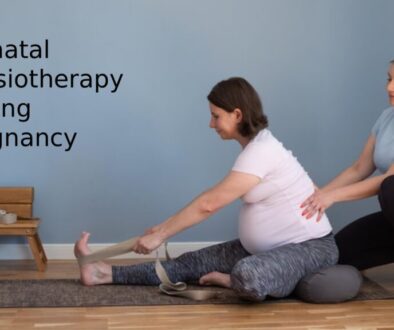
- Prenatal yoga modifications suitable for cardiovascular limitations
- Pelvic floor strengthening exercises to prepare for delivery
- Posture improvement techniques to accommodate pregnancy changes
Functional Movement Training
As pregnancy progresses, maintaining the ability to perform daily activities safely becomes crucial:
- Transfer techniques for getting in and out of bed safely
- Energy conservation strategies for household activities
- Safe movement patterns to prevent falls and injury
- Breathing coordination with physical activities
Safety Considerations and Contraindications
Absolute Contraindications
Certain conditions make exercise inadvisable for pregnant women with pulmonary hypertension:
- Severe, uncontrolled pulmonary hypertension with right heart failure
- Recent hospitalization for cardiac complications
- Significant arrhythmias or unstable cardiac rhythm
- Severe hypoxemia requiring continuous oxygen therapy
- Preeclampsia or severe pregnancy-induced hypertension
- Placental complications such as placenta previa or abruption
Relative Contraindications
Some conditions require careful evaluation and may allow modified exercise programs:
- Mild to moderate right heart dysfunction
- Controlled arrhythmias
- Previous episodes of heart failure now stabilized
- Mild hypoxemia is manageable with supplemental oxygen
- Pregnancy complications requiring close monitoring
Warning Signs to Stop Exercise
Immediate cessation of physical activity is necessary if any of the following symptoms occur:
- Chest pain or significant discomfort
- Severe shortness of breath beyond expected levels
- Dizziness or feeling faint
- Heart palpitations or irregular heartbeat
- Severe fatigue or weakness
- Headache or visual disturbances
- Vaginal bleeding or uterine contractions
- Reduced fetal movement (in later pregnancy)
Specialized Care in Bangalore
For expectant mothers in Bangalore dealing with pulmonary hypertension, accessing specialized physiotherapy care is essential. Physio At Your Doorstep offers comprehensive home-based physiotherapy services specifically designed to meet the unique needs of pregnant women with complex medical conditions.
Pregnancy Physiotherapy Services
The specialized pregnancy physiotherapy services include:
- Individualized assessment of cardiovascular function and pregnancy-related changes
- Customized exercise programs designed for high-risk pregnancies
- Regular monitoring and adjustment of treatment protocols
- Education on energy conservation and safe movement techniques
- Coordination with obstetric and cardiology teams for comprehensive care
Home-Based Advantage
Receiving physiotherapy care at home offers significant advantages for pregnant women with pulmonary hypertension:
- Reduced exposure to infections and crowded medical facilities
- Comfort and familiarity of the home environment
- Flexible scheduling to accommodate medical appointments
- Family involvement in education and support
- Immediate access to emergency medical care if needed
Multidisciplinary Team Approach
Essential Team Members
Managing pulmonary hypertension during pregnancy requires coordination among multiple healthcare specialists:
- Maternal-fetal medicine specialists for high-risk pregnancy management
- Pulmonary hypertension specialists for PH-specific treatments
- Cardiologists for cardiac function monitoring
- Anesthesiologists for delivery planning
- Specialized physiotherapists for exercise and rehabilitation guidance
- Nutritionists for dietary management during pregnancy
Collaborative Care Planning
Effective management requires regular communication between team members to:
- Monitor disease progression and pregnancy changes
- Adjust medications as pregnancy advances
- Plan delivery timing and method
- Coordinate physiotherapy with medical treatments
- Prepare for potential complications during delivery
Monitoring and Assessment
Regular Evaluation Parameters
Women with pulmonary hypertension require frequent monitoring throughout pregnancy:
Cardiovascular Assessment
- Echocardiograms to evaluate right heart function
- Six-minute walk tests to assess functional capacity
- Oxygen saturation monitoring during rest and activity
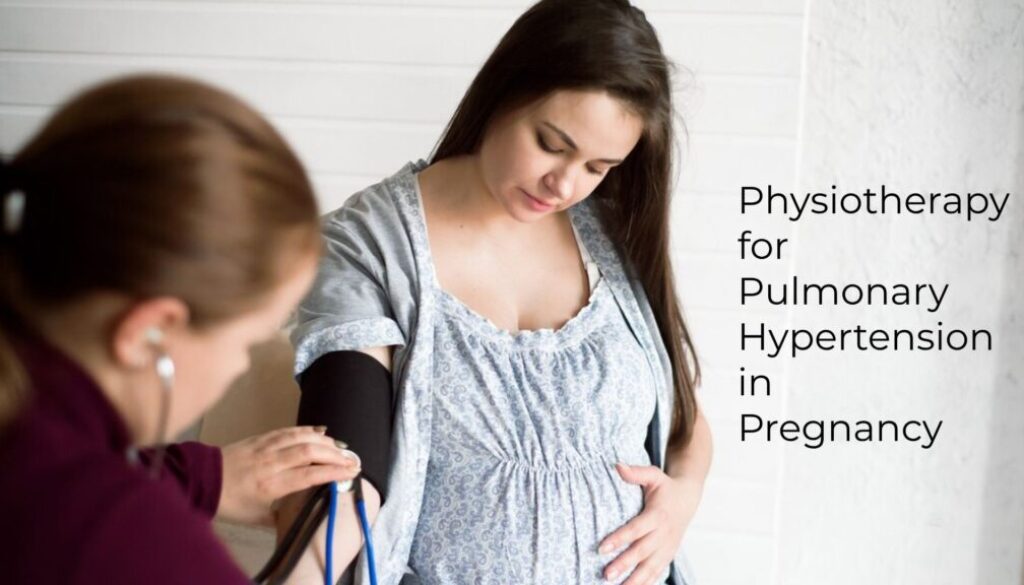
- Blood pressure tracking for both systemic and pulmonary pressures
Pregnancy Monitoring
- Fetal growth assessment via ultrasound
- Doppler studies to evaluate placental blood flow
- Fetal heart rate monitoring during exercise sessions
- Maternal weight gain tracking
Exercise Testing and Prescription
Before beginning any physiotherapy program, comprehensive exercise testing helps establish safe parameters:
- Submaximal exercise testing with continuous monitoring
- Heart rate and oxygen saturation responses to activity
- Blood pressure changes during exertion
- Symptom assessment and tolerance levels
Delivery Considerations and Physiotherapy
Preparing for Delivery
As delivery approaches, physiotherapy focus shifts to preparing the body for the physical demands of labor:
- Breathing techniques for labor management
- Positioning strategies to optimize cardiovascular function
- Pelvic floor preparation for delivery
- Recovery planning for the postpartum period
Postpartum Physiotherapy
The postpartum period presents unique challenges for women with pulmonary hypertension:
- Gradual return to pre-pregnancy activity levels
- Cardiac function monitoring as pregnancy changes reverse
- Breastfeeding positioning to minimize cardiovascular stress
- Recovery from delivery while managing PH symptoms
Advances in Treatment and Management
Recent Developments
Recent advances in understanding and treating pulmonary hypertension during pregnancy include:
- Earlier initiation of PH-specific therapies during pregnancy
- Improved risk stratification tools for better patient selection
- Enhanced monitoring techniques for real-time assessment
- Multidisciplinary care protocols reducing maternal mortality
Medication Management
While physiotherapy plays a crucial role, medication management remains essential:
- Prostacyclin analogs for vasodilation
- Endothelin receptor antagonists (with careful pregnancy considerations)
- Phosphodiesterase inhibitors for pulmonary vasodilation
- Anticoagulation therapy to prevent blood clots
Nutrition and Lifestyle Modifications
Dietary Considerations
Proper nutrition becomes especially important during pregnancy with PH:
- Sodium restriction to reduce fluid retention
- Iron supplementation to prevent anemia
- Adequate protein intake for fetal development
- Caloric balance to support pregnancy without excessive weight gain
Lifestyle Modifications
Beyond exercise, several lifestyle changes support better outcomes:
- Sleep positioning to optimize cardiac function
- Stress management techniques for overall well-being
- Travel restrictions to avoid altitude and air pressure changes
- Infection prevention strategies to avoid respiratory complications
Support Systems and Resources
Emotional and Psychological Support
Managing a high-risk pregnancy can be emotionally challenging:
- Counseling services for anxiety and depression
- Support groups for women with similar conditions
- Family education about the condition and care needs
- Mental health monitoring throughout pregnancy
Educational Resources
Knowledge empowers patients and families to participate actively in care:
- Understanding PH and its implications during pregnancy
- Recognizing warning signs requiring immediate medical attention
- Home monitoring techniques for daily symptom tracking
- Emergency preparedness for potential complications
Quality of Life Considerations
Maintaining Independence
Physiotherapy focuses on helping women maintain as much independence as possible:
- Activity modification rather than complete restriction
- Energy conservation techniques for daily activities
- Adaptive equipment when necessary for safety
- Home environment optimization for ease of movement
Long-term Outcomes
While pregnancy with pulmonary hypertension carries risks, many women can achieve positive outcomes with proper care:
- Successful pregnancies with appropriate management
- Improved quality of life through comprehensive care
- Better long-term prognosis with a multidisciplinary approach
- Future pregnancy planning based on outcomes and recovery
Technology and Innovation in Care
Remote Monitoring
Advances in technology enable better monitoring of patients at home:
- Pulse oximetry for oxygen saturation tracking
- Digital blood pressure monitors for regular checks
- Wearable heart rate monitors for continuous tracking
- Telemedicine consultations for routine follow-ups
Exercise Technology
Modern technology enhances physiotherapy delivery:
- Virtual reality for engaging exercise programs
- Mobile applications for exercise tracking and motivation
- Video conferencing for remote physiotherapy sessions
- Digital monitoring of exercise parameters
Cost-Effectiveness of Home-Based Care
Economic Benefits
Home-based physiotherapy offers several economic advantages:
- Reduced hospital visits and associated costs
- Prevention of complications through early intervention
- Decreased transportation expenses for frequent appointments
- Family involvement reducing need for additional support services
Insurance and Coverage
Understanding insurance coverage for specialized care:
- Coverage for home-based physiotherapy varies by provider
- Documentation requirements for medical necessity
- Prior authorization often needed for specialized services
- Coordination with medical team for coverage approval
Research and Future Directions
Ongoing Studies
Current research focuses on improving outcomes for pregnant women with PH:
- Exercise protocols specifically designed for pregnancy with PH
- Medication safety during pregnancy and breastfeeding
- Genetic counseling for inherited forms of PH
- Long-term follow-up studies of mothers and children
Future Innovations
Emerging treatments and technologies show promise:
- Gene therapy for inherited forms of PH
- Artificial heart technology for severe cases
- Improved medications with better pregnancy safety profiles
- Personalized medicine approaches based on genetic factors
Conclusion
Physiotherapy in pulmonary hypertension during pregnancy represents a specialized field requiring expertise, careful monitoring, and individualized care approaches. While pregnancy with pulmonary hypertension carries significant risks, evidence-based physiotherapy interventions can play a crucial role in optimizing outcomes for both mother and baby.
The key to success lies in early assessment, comprehensive multidisciplinary care, regular monitoring, and adaptive treatment approaches that evolve with pregnancy progression. With proper management, many women with pulmonary hypertension can experience successful pregnancies and improved quality of life.
For expectant mothers in Bangalore seeking specialized care, professional physiotherapy services that understand the complexities of high-risk pregnancies can significantly improve pregnancy outcomes. Expert medical care, individualized exercise programs, and comprehensive support systems provide the best foundation for managing this challenging condition during pregnancy.
Remember that every pregnancy with pulmonary hypertension is unique, and treatment approaches must be individualized based on disease severity, pregnancy stage, and individual response to interventions. Always work closely with your healthcare team to develop the safest and most effective management plan for your situation.
Resources and Further Reading
Professional Organizations
- Pulmonary Hypertension Association – Patient resources and support
- American College of Obstetricians and Gynecologists – Pregnancy guidelines
- International Society for Physical Activity and Health – Exercise recommendations
Medical Literature
- “Pulmonary Hypertension and Pregnancy Outcomes” – Journal of the American Heart Association
- “Exercise-based rehabilitation programmes for pulmonary hypertension” – Cochrane Reviews
- “Management of pregnant patients with pulmonary arterial hypertension” – Frontiers in Cardiovascular Medicine
Local Resources in Bangalore
- Physio At Your Doorstep – Specialized home-based physiotherapy services
- Orthopedic Physiotherapy – Comprehensive musculoskeletal care
- Neurological Physiotherapy – Specialized neurological rehabilitation
- Sports Physiotherapy – Athletic injury management and prevention
Serving areas including JP Nagar, BTM Layout, Jayanagar, Koramangala, HSR Layout, and Whitefield
Disclaimer: This information is for educational purposes only and should not replace professional medical advice. Always consult with qualified healthcare providers for the diagnosis and treatment of pulmonary hypertension during pregnancy. Individual circumstances may vary, and treatment approaches should be personalized based on specific medical conditions and pregnancy factors.