
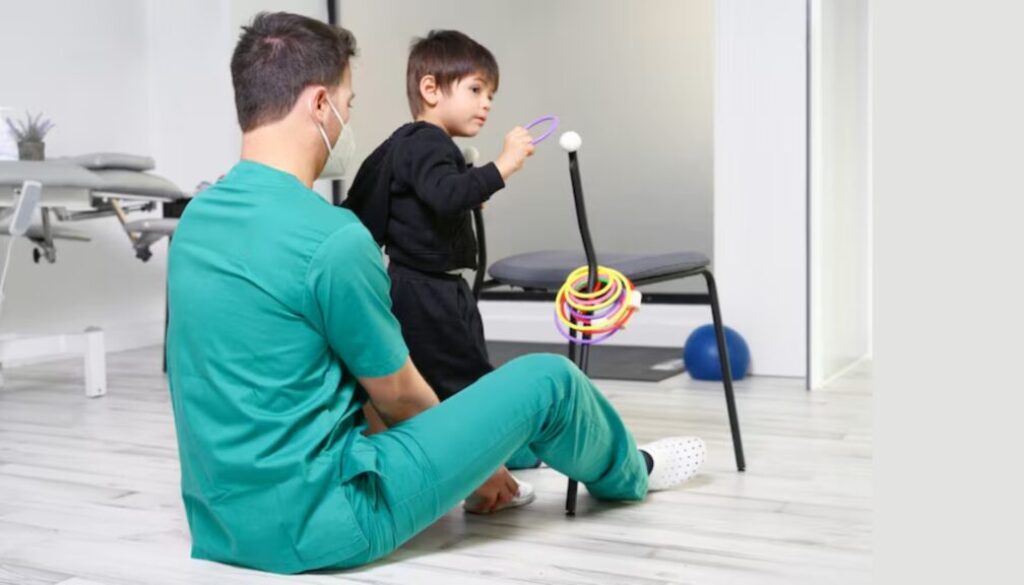
Recent Advances in Pediatric Physiotherapy for Children
Pediatric physiotherapy has experienced remarkable transformation over the past few years, with groundbreaking technological innovations and evidence-based treatment approaches revolutionizing how we support children with developmental challenges, neurological conditions, and physical disabilities. These recent advances in pediatric physiotherapy are not just enhancing treatment outcomes but fundamentally changing the rehabilitation landscape for young patients across the globe.
As parents and caregivers seek the most effective therapeutic interventions for their children, understanding these cutting-edge developments becomes crucial in making informed decisions about treatment options. This comprehensive guide explores the latest innovations reshaping pediatric rehabilitation and how they’re improving the lives of children with diverse therapeutic needs.
Understanding Modern Pediatric Physiotherapy
Pediatric physiotherapy focuses on optimizing movement, function, and developmental outcomes in children from infancy through adolescence. Unlike adult physical therapy, pediatric approaches must account for ongoing growth, development, and the unique neuroplasticity of the developing brain. Recent years have witnessed a substantial increase in interest in this specialized field, reflecting improvements in therapeutic methods and rising awareness of its significance in child development and rehabilitation.
The scope of pediatric physiotherapy now extends far beyond traditional exercise therapy. Today’s pediatric physiotherapists address developmental delays, neuromotor disorders, orthopedic conditions, cardiorespiratory issues, and congenital malformations using an integrated approach that combines hands-on techniques with innovative technologies.
The Digital Revolution: Virtual Reality in Pediatric Rehabilitation
One of the most exciting recent advances in pediatric physiotherapy involves the integration of virtual reality technology into treatment protocols. VR has emerged as a powerful tool that transforms repetitive exercises into engaging, game-like experiences that children genuinely look forward to attending.
How Virtual Reality Enhances Treatment Outcomes
Virtual reality platforms create immersive, three-dimensional environments where children can practice motor skills, improve balance, and enhance coordination while believing they’re simply playing games. Research demonstrates that VR-based interventions significantly improve motor learning by providing repetitive task-oriented training in captivating contexts that maintain children’s attention and motivation.
The technology offers several distinct advantages for pediatric patients. VR systems can be precisely calibrated to match each child’s functional abilities, gradually increasing difficulty as skills improve. Real-time feedback helps children understand their movements and make immediate corrections, accelerating the learning process. For children with conditions like cerebral palsy, VR therapy has shown promising results in improving gait patterns, balance control, and upper extremity function.
Practical Applications in Clinical Settings
Despite the promising benefits, implementation of VR in pediatric practice faces certain challenges. Recent surveys indicate that while only a small percentage of pediatric physiotherapists currently use VR regularly in clinical practice, those who do report enhanced patient engagement and improved treatment adherence. The main barriers include initial equipment costs, need for technical support, and requirements for staff training.
However, as VR technology becomes more accessible and affordable, its adoption is expected to grow substantially. The combination of VR with traditional neurological physiotherapy techniques offers a hybrid approach that maximizes therapeutic benefits while maintaining the essential hands-on elements that remain crucial in pediatric care.
Telehealth and Remote Rehabilitation: Expanding Access to Care
The COVID-19 pandemic accelerated the adoption of telehealth services in pediatric physiotherapy, and this digital transformation continues to reshape how therapeutic services are delivered in 2025. Current data shows that approximately 35-40% of physiotherapy practices now maintain active telehealth programs, with many implementing hybrid models that strategically combine virtual and in-person sessions.
Benefits of Pediatric Telehealth Services
Telehealth has proven particularly valuable for families in rural or underserved areas, eliminating travel burdens and making specialized care accessible to children who previously had limited options. Remote sessions reduce caregiver time away from work, decrease transportation costs, and allow therapy to occur in the child’s natural home environment where skills can be immediately practiced in daily routines.
Research demonstrates that pediatric telehealth physiotherapy can be just as effective as traditional in-person sessions for many conditions when structured appropriately. The key factors for successful telehealth delivery include high caregiver engagement, stable internet connectivity, and therapists equipped with specialized strategies for guiding caregivers through hands-on interventions remotely.
The Hybrid Care Model
The hybrid approach, combining periodic in-person assessments with regular virtual sessions, appears to offer optimal outcomes. In-person visits allow for comprehensive physical examinations, hands-on techniques, and equipment adjustments, while virtual sessions provide consistent support, exercise guidance, and progress monitoring between clinic visits. This model extends the reach of pediatric physiatrists and therapists, particularly in regions with limited specialists.
For families seeking convenient access to expert care, online physiotherapy services now provide viable alternatives for assessment, treatment planning, and ongoing therapeutic support.
Robotics and Wearable Technology: Precision Meets Personalization
Robotic rehabilitation devices represent another significant advancement in pediatric physiotherapy, offering unprecedented precision in movement assistance and monitoring. These sophisticated systems range from exoskeleton devices that provide structural support to end-effector robots that facilitate specific movement patterns.
Robot-Assisted Therapy for Pediatric Populations
Recent systematic reviews examining robot-assisted therapy for children with cerebral palsy have identified promising outcomes in upper limb function improvement. Studies show that robotic interventions, whether used alone or combined with conventional physiotherapy, can enhance motor recovery through high-intensity, repetitive task-oriented training that maintains consistency across sessions.
The key advantage of robotic systems lies in their ability to deliver perfectly repetitive movements at controlled intensities while continuously monitoring performance metrics. Integrated sensors track movement patterns, muscle activation, and progress over time, enabling therapists to make data-driven adjustments to treatment protocols.
Wearable Sensors and Real-Time Feedback
Wearable technology has revolutionized how therapists monitor children’s movements and provide feedback. Lightweight sensors attached to limbs or incorporated into clothing track joint angles, muscle activity, acceleration, and other kinematic parameters during therapeutic exercises and daily activities.
These devices offer several advantages for pediatric rehabilitation. They provide objective data on movement quality and exercise adherence, allowing for precise documentation of progress. Real-time feedback helps children understand proper movement patterns, while continuous monitoring enables therapists to identify compensatory strategies that might impede optimal recovery.
For children recovering from post-surgical physiotherapy procedures or managing chronic orthopedic conditions, wearable sensors ensure exercises are performed correctly even during home practice sessions.
Evidence-Based Interventions: What Research Reveals
Recent research has refined our understanding of which therapeutic interventions produce the best outcomes for specific pediatric conditions. The emphasis on evidence-based practice ensures that treatment approaches are grounded in scientific validation rather than tradition alone.
Neurodevelopmental Techniques
The Bobath neurodevelopmental therapy approach continues to evolve with contemporary research insights. This hands-on technique focuses on facilitating normal movement patterns while inhibiting abnormal reflexes and muscle tone. Modern applications integrate principles of motor learning and task-specific training to optimize outcomes.
General Movement Assessment (GMA) has emerged as a powerful early detection tool for identifying infants at risk for developmental disorders. This standardized observation method evaluates spontaneous movement quality in young infants, enabling early intervention before overt symptoms manifest.
Core Stability and Functional Training
Core stability training has gained prominence in pediatric rehabilitation, particularly for children with postural control challenges. Strengthening the trunk muscles that stabilize the spine and pelvis creates a foundation for improved limb function and overall motor development.
Multisensory stimulation approaches that integrate visual, auditory, tactile, and proprioceptive input help children with sensory processing difficulties develop better body awareness and motor planning abilities. These interventions prove particularly valuable for children with autism spectrum disorders or sensory integration challenges.
Early Intervention: The Critical Window of Opportunity
Research consistently demonstrates that early intervention produces the most significant long-term benefits for children with developmental challenges. The developing nervous system exhibits remarkable plasticity during infancy and early childhood, making this period ideal for therapeutic intervention.
Why Timing Matters
Implementing physiotherapy during critical developmental periods allows therapists to capitalize on natural developmental windows when specific skills typically emerge. Early identification and treatment of movement difficulties can prevent secondary complications such as contractures, deformities, and learned compensatory patterns that become increasingly difficult to modify over time.
Children receiving early, intensive intervention demonstrate better functional outcomes, improved independence in daily activities, and enhanced quality of life compared to those whose treatment begins later. For infants born prematurely or those with identified risk factors, prompt referral to pediatric physiotherapy services can make a substantial difference in developmental trajectories.
Family-Centered Care Approach
Modern pediatric physiotherapy emphasizes family-centered care, recognizing that parents and caregivers are essential partners in the therapeutic process. Rather than having therapists “do to” children during isolated sessions, contemporary approaches focus on coaching families to incorporate therapeutic activities into daily routines.
This coaching model empowers caregivers with knowledge and skills to support their child’s development consistently throughout each day. Research indicates that family-implemented interventions produce more robust and sustainable outcomes than traditional clinic-based approaches alone.
Addressing Specific Pediatric Conditions
Different pediatric conditions require specialized therapeutic approaches tailored to their unique challenges and goals.
Cerebral Palsy Management
For children with cerebral palsy, recent advances emphasize task-oriented training that focuses on achieving specific functional goals rather than isolated muscle strengthening. Constraint-induced movement therapy, which encourages use of affected limbs by temporarily restricting less-affected ones, has demonstrated effectiveness in improving upper extremity function.
Combining traditional physiotherapy with emerging technologies like VR and robotics offers promising results for enhancing motor function in children with CP. The integration of orthopaedic physiotherapy principles helps address musculoskeletal complications that commonly accompany neurological conditions.
Developmental Coordination Disorder
Children with developmental coordination disorder (DCD) benefit from interventions that improve motor planning, timing, and execution. Task-specific training using functional activities relevant to the child’s daily life produces better outcomes than generic exercise programs.
Cognitive orientation to daily occupational performance (CO-OP) approaches that teach problem-solving strategies help children with DCD develop compensatory techniques for managing motor challenges independently.
Cardiorespiratory Conditions
For children with cystic fibrosis, asthma, or other respiratory conditions, pulmonary physiotherapy techniques promote airway clearance, improve breathing efficiency, and enhance exercise tolerance. Recent advances include high-frequency chest wall oscillation devices and specialized breathing exercises tailored to pediatric populations.
The Importance of Therapeutic Touch and Hands-On Techniques
While technological innovations garner significant attention, recent research has reaffirmed the importance of therapeutic touch and hands-on facilitation in pediatric physiotherapy. Touch serves multiple functions beyond simple physical contact—it provides sensory input, communicates care and attention, and facilitates movement learning through tactile and proprioceptive cues.
From an enactive perspective, touch in pediatric physiotherapy involves dynamic interaction between therapist, child, and caregivers. The skilled use of handling techniques helps guide children toward more efficient movement patterns while respecting their active participation in the learning process.
The debate surrounding hands-on versus hands-off approaches has evolved toward recognizing that both have appropriate applications depending on the child’s needs, condition, and developmental stage. Skilled pediatric physiotherapists know when to use direct facilitation and when to step back and allow children to problem-solve independently.
Integrating Multiple Disciplines for Comprehensive Care
Pediatric physiotherapy rarely occurs in isolation. The complex needs of children with developmental challenges typically require coordinated efforts from multiple healthcare professionals working collaboratively.
Interdisciplinary teams often include physiotherapists, occupational therapists, speech-language pathologists, physicians, nurses, psychologists, and educators. Each professional contributes specialized expertise while maintaining communication to ensure cohesive, coordinated care.
For families seeking comprehensive support, home-based services that integrate multiple therapeutic disciplines offer convenience and ensure interventions are embedded within the child’s natural environment. This approach aligns with family-centered care principles and enables more seamless integration of therapeutic activities into daily routines.
Overcoming Barriers to Implementation
Despite the promising advances in pediatric physiotherapy, several barriers limit widespread adoption of innovative interventions.
Financial Considerations
Many cutting-edge technologies require substantial initial investment, making them inaccessible to smaller clinics or families with limited resources. Insurance coverage for newer interventions may be limited until sufficient evidence demonstrates their effectiveness.
Home-based physiotherapy services, like those offered through geriatric physiotherapy programs adapted for pediatric needs, can help reduce costs by eliminating facility overhead while providing convenient access to care.
Training and Education
Implementing new technologies and evidence-based interventions requires ongoing professional development. Physiotherapists need training not only in technical operation of devices but also in interpreting data, adjusting protocols based on individual response, and integrating new approaches with traditional techniques.
Cultural and Systemic Factors
Healthcare system structures, reimbursement policies, and cultural attitudes toward disability and rehabilitation all influence how readily innovative interventions are adopted. Advocacy efforts continue working to improve access to quality pediatric physiotherapy services for all children who need them.
The Future of Pediatric Physiotherapy
Looking ahead, several emerging trends promise to further transform pediatric rehabilitation:
Artificial Intelligence and Machine Learning
AI-powered movement analysis systems can assess motor function through smartphone or webcam video, making sophisticated evaluation tools accessible in any setting. Machine learning algorithms analyze movement patterns, provide real-time feedback on exercise form, and predict outcomes based on treatment response.
Personalized Medicine Approaches
Advances in genomics and biomarkers may enable more targeted interventions based on individual biological characteristics. Understanding genetic factors that influence treatment response could help therapists select the most effective approaches for each child.
Expanded Telehealth Integration
As telehealth technologies mature, we can expect more sophisticated remote assessment tools, better integration with wearable devices, and enhanced platforms for delivering virtual care. The hybrid model combining in-person and remote services will likely become standard practice.
3D Printing and Custom Devices
Advances in 3D printing technology enable creation of customized orthoses, adaptive equipment, and assistive devices tailored precisely to each child’s anatomy and needs. This personalization improves comfort, function, and treatment adherence.
Choosing the Right Pediatric Physiotherapy Services
For parents seeking pediatric physiotherapy services for their child, several factors deserve consideration:
Qualifications and Experience: Look for physiotherapists with specialized training in pediatric care and experience treating children with conditions similar to your child’s diagnosis.
Evidence-Based Practice: Ask about treatment approaches and the research supporting them. Reputable therapists stay current with the latest evidence and integrate proven interventions.
Family-Centered Approach: The best pediatric physiotherapists partner with families, respect parental expertise, and empower caregivers with knowledge and skills.
Access to Technology: While technology shouldn’t be the sole consideration, therapists who incorporate appropriate technological tools can enhance treatment effectiveness and engagement.
Convenience and Flexibility: Services that accommodate family schedules and offer home-based options, such as those provided by sports physiotherapy specialists adapted for pediatric athletes, improve consistency and outcomes.
Conclusion
Recent advances in pediatric physiotherapy reflect an exciting convergence of technological innovation, evidence-based practice, and deeper understanding of child development. From virtual reality and telehealth to robotics and wearable sensors, these developments are expanding treatment possibilities and improving outcomes for children with diverse therapeutic needs.
However, technology serves as a tool to enhance—not replace—the expertise, compassion, and skilled intervention of trained pediatric physiotherapists. The most effective approaches integrate cutting-edge innovations with time-tested therapeutic principles, family partnerships, and individualized care planning.
As research continues advancing our understanding of pediatric rehabilitation, families can feel optimistic about the increasing options available to support their children’s development and functional independence. By staying informed about these recent advances in pediatric physiotherapy, parents and caregivers can advocate effectively for the highest quality care their children deserve.
Whether addressing developmental delays, recovering from injury, managing chronic conditions, or optimizing athletic performance, modern pediatric physiotherapy offers more effective, engaging, and accessible interventions than ever before. The future of pediatric rehabilitation looks bright, promising even greater possibilities for helping children reach their full potential.
References and Resources
- Academy of Pediatric Physical Therapy (APTA) – Professional organization offering clinical practice guidelines and research resources
- Pediatric Physical Therapy Journal – Peer-reviewed publication featuring latest research in pediatric rehabilitation
- World Confederation for Physical Therapy – International standards and guidelines for physiotherapy practice
- National Center for Biotechnology Information (NCBI) – Database of pediatric rehabilitation research studies
- International Classification of Functioning, Disability and Health (ICF) – WHO framework for pediatric assessment
- American Physical Therapy Association Clinical Practice Guidelines – Evidence-based recommendations for pediatric conditions
For personalized pediatric physiotherapy services in Bangalore, including home visits and online consultations, contact Physio At Your Doorstep. Our experienced team specializes in comprehensive pediatric care using the latest evidence-based approaches and technologies to support your child’s development and recover.