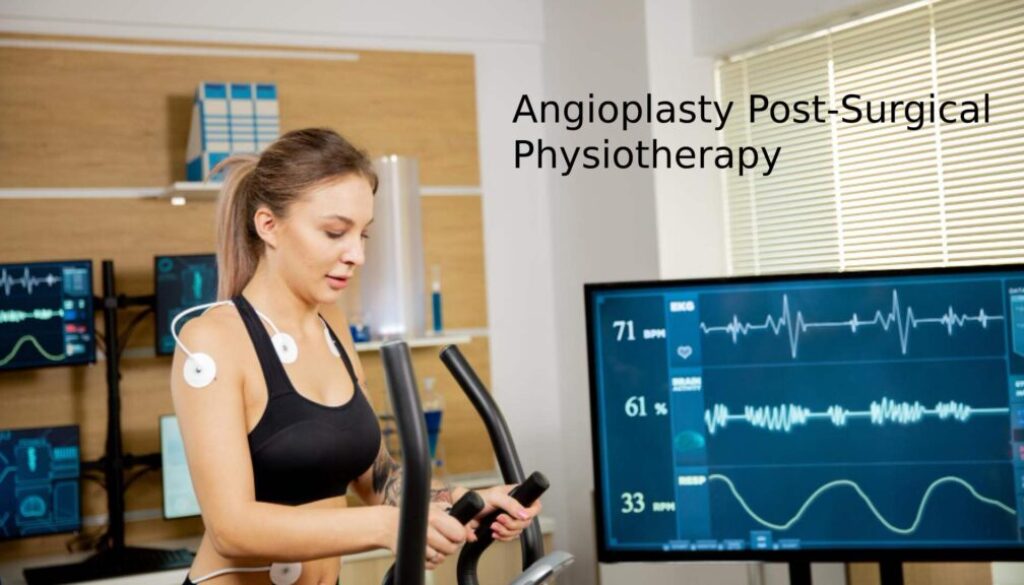
Angioplasty Post-Surgical Physiotherapy Management: A Guide
Recovering from angioplasty doesn’t end when you leave the hospital. The journey toward optimal heart health continues with proper physiotherapy management that can dramatically improve your quality of life and reduce future cardiac risks.
When you’ve undergone angioplasty, whether it involved stent placement or balloon dilation, your heart has received a new lease on life. However, the path to full recovery requires more than just medication compliance – it demands a comprehensive approach that includes specialized physiotherapy designed specifically for cardiac patients.
Understanding how to navigate your post-angioplasty recovery through professional physiotherapy management can mean the difference between simply surviving your cardiac event and truly thriving in the months and years that follow.
Understanding Angioplasty and Its Impact on Your Body
Angioplasty, also known as percutaneous coronary intervention (PCI), involves opening blocked or narrowed coronary arteries to restore blood flow to your heart muscle. During this minimally invasive procedure, a thin catheter is threaded through your blood vessels to reach the affected artery, where a tiny balloon inflates to compress plaque against the artery walls.
Most angioplasty procedures also involve placing a stent – a small mesh tube that remains in your artery to keep it open. While this intervention can be life-saving, your body needs time and proper guidance to adapt to these changes and regain optimal function.
The procedure itself, though minimally invasive, still represents a significant stress on your cardiovascular system. Your heart muscle may have experienced periods of reduced oxygen supply before the procedure, and your body’s overall fitness level likely declined during the period leading up to your cardiac event.
Why Professional Physiotherapy Management Matters
Many patients mistakenly believe that once their artery is reopened, they can immediately return to their previous activity levels. However, research consistently shows that structured cardiac rehabilitation, including specialized physiotherapy, reduces the risk of future cardiac events by up to 35% and significantly improves quality of life.
Professional physiotherapy management after angioplasty addresses multiple aspects of your recovery:
- Cardiovascular reconditioning and endurance building
- Safe progression of physical activities
- Risk factor modification through exercise
- Psychological support and confidence building
- Prevention of complications and future cardiac events
The Science Behind Cardiac Rehabilitation Physiotherapy
Your heart is a muscle, and like any muscle that has been compromised, it needs proper rehabilitation to regain strength and efficiency. However, cardiac rehabilitation goes beyond simple exercise – it’s a carefully orchestrated program that considers your individual risk factors, current fitness level, and specific cardiac condition.
Research published in leading cardiology journals demonstrates that patients who participate in structured cardiac rehabilitation programs experience:
- Significant mortality reduction: Studies show 13-20% reduction in cardiovascular mortality
- Improved exercise capacity: Average increase of 15-25% in peak oxygen consumption
- Better quality of life: Measurable improvements in physical and emotional well-being
- Reduced hospital readmissions: 25% fewer cardiac-related hospitalizations
The Physiological Benefits of Post-Angioplasty Exercise
When you engage in properly supervised cardiac rehabilitation, several beneficial changes occur in your cardiovascular system:
Enhanced Collateral Circulation: Regular exercise encourages the development of new blood vessels that can provide alternative pathways for blood flow to your heart muscle.
Improved Heart Rate Variability: A healthy heart should be able to adjust its rate efficiently based on activity demands. Cardiac rehabilitation helps restore this vital function.
Optimized Blood Pressure Response: Exercise training helps your cardiovascular system respond more efficiently to physical demands, often reducing both resting and exercise blood pressure.
Better Lipid Profile: Structured exercise programs typically improve cholesterol levels, reducing the risk of future plaque formation.
Phases of Post-Angioplasty Physiotherapy Management
Professional cardiac rehabilitation typically follows a structured, multi-phase approach that ensures safe and effective recovery.
Phase 1: Inpatient Recovery (Days 1-7)
Even while you’re still in the hospital, physiotherapy begins with gentle mobilization. This early phase focuses on:
Immediate Post-Procedure Care: During the first 24-48 hours, your physiotherapist will help you understand proper positioning to protect your catheter insertion site while encouraging gentle movement of unaffected limbs.
Early Mobilization: Progressive sitting, standing, and short-distance walking help prevent complications like blood clots and maintain basic muscle function.
Education and Planning: Your physiotherapy team will begin educating you about what to expect during recovery and help you understand warning signs that require immediate medical attention.
Phase 2: Early Outpatient Recovery (Weeks 2-12)
This is where the real work begins. Phase 2 typically starts 1-2 weeks after your procedure and represents the most intensive period of your cardiac rehabilitation.
Comprehensive Assessment: Your physiotherapist will conduct detailed evaluations including:
- Cardiovascular fitness testing
- Strength and flexibility assessments
- Balance and coordination evaluation
- Risk factor analysis
- Psychosocial screening
Structured Exercise Programming: Based on your assessment results, a personalized exercise program is developed that typically includes:
Aerobic Conditioning: Starting with low-intensity activities like slow walking or stationary cycling, gradually progressing based on your heart rate response and symptom tolerance.
Strength Training: Carefully prescribed resistance exercises that improve muscle strength without placing excessive demands on your cardiovascular system.
Flexibility and Balance Work: Often overlooked but crucial components that improve overall functional capacity and reduce fall risk.
Phase 3: Long-Term Maintenance (Month 3 and Beyond)
The transition to independent exercise management doesn’t mean your physiotherapy support ends. Phase 3 focuses on:
Exercise Independence: Teaching you to monitor your own exercise intensity and recognize appropriate progression.
Lifestyle Integration: Helping you develop sustainable activity habits that fit your lifestyle and preferences.
Ongoing Monitoring: Periodic reassessments to ensure continued progress and safety.
Essential Components of Angioplasty Recovery Physiotherapy
Cardiovascular Conditioning: The Foundation of Recovery
The cornerstone of post-angioplasty physiotherapy is progressive cardiovascular conditioning. This isn’t simply about “getting back in shape” – it’s about systematically training your cardiovascular system to handle the demands of daily life while promoting optimal healing.
Target Heart Rate Training: Your physiotherapist will establish specific heart rate zones based on your age, medications, and cardiac function. Most post-angioplasty patients begin with exercise intensities of 40-60% of their predicted maximum heart rate, gradually progressing as tolerated.
Rate of Perceived Exertion (RPE) Monitoring: Because medications can affect heart rate response, you’ll learn to use the RPE scale to gauge exercise intensity based on how the activity feels rather than relying solely on heart rate.
Progressive Overload Principles: Your exercise program will follow careful progression guidelines, typically increasing duration before intensity, and allowing adequate recovery between sessions.
Strength Training: Building Functional Capacity
Contrary to outdated beliefs, strength training is not only safe but essential for cardiac patients when properly supervised. Research shows that resistance training:
- Improves daily functional activities
- Enhances bone density
- Supports better cardiovascular efficiency
- Reduces cardiac risk factors
Upper Body Considerations: Special attention is paid to upper body exercises, as many cardiac patients develop weakness and anxiety about arm activities following their procedure.
Core Strengthening: A strong core supports better posture, breathing mechanics, and overall functional movement patterns.
Functional Movement Patterns: Exercises are designed to improve your ability to perform daily activities like climbing stairs, carrying groceries, and household tasks.
Flexibility and Mobility: Often Overlooked but Crucial
Many cardiac patients develop compensatory movement patterns due to chest discomfort, anxiety, or prolonged periods of reduced activity. Addressing these issues is essential for optimal recovery.
Respiratory Mechanics: Proper breathing patterns support both cardiovascular efficiency and anxiety management.
Posture Correction: Poor posture can affect breathing, circulation, and overall confidence in movement.
Joint Mobility: Maintaining healthy range of motion supports better exercise performance and reduces injury risk.
Specialized Considerations for Post-Angioplasty Patients
Managing Stent-Related Concerns
If your angioplasty included stent placement, you may have specific concerns about physical activity. Understanding the facts can help reduce anxiety and promote appropriate activity engagement.
Stent Durability: Modern drug-eluting stents are remarkably durable and designed to withstand normal physical activities, including vigorous exercise.
Blood Clot Prevention: While antiplatelet medications are crucial, exercise actually helps reduce clotting risk by improving circulation and blood flow.
Activity Restrictions: Most activity restrictions are temporary and relate to healing at the catheter insertion site rather than the stent itself.
Medication Considerations During Exercise
Your cardiac medications will likely affect your exercise response, and your physiotherapist needs to understand these interactions to design an effective program.
Beta-Blockers: These medications limit heart rate response to exercise, making RPE monitoring particularly important.
ACE Inhibitors/ARBs: May affect blood pressure response to exercise and hydration needs.
Antiplatelet Agents: Increase bleeding risk, requiring careful attention to injury prevention.
Psychological Aspects of Recovery
The emotional impact of a cardiac event cannot be underestimated. Many patients experience anxiety, depression, or fear related to physical activity. Professional physiotherapy management addresses these concerns through:
Gradual Exposure: Systematic progression helps build confidence in your body’s ability to handle physical demands.
Education: Understanding what’s happening in your body during exercise reduces fear and promotes appropriate self-monitoring.
Group Support: When available, group rehabilitation sessions provide peer support and motivation.
Creating Your Home Exercise Environment
While professional supervision is crucial, much of your recovery will happen through consistent home-based activities. Creating an appropriate environment supports long-term success.
Essential Equipment for Home-Based Cardiac Recovery
You don’t need expensive equipment to maintain an effective exercise routine, but certain items can enhance safety and effectiveness:
Heart Rate Monitor: Helps you stay within prescribed exercise zones, especially important if you take medications that affect heart rate.
Blood Pressure Monitor: Useful for tracking your cardiovascular response to exercise, particularly during the early recovery phases.
Comfortable Exercise Clothing: Proper footwear and comfortable clothing reduce barriers to regular activity.
Simple Exercise Equipment: Resistance bands, light weights, or a stability ball can add variety to your routine without requiring significant space or investment.
Environmental Safety Considerations
Temperature Control: Extreme temperatures can stress your cardiovascular system. Exercise in comfortable, well-ventilated spaces.
Emergency Preparedness: Keep emergency contact information readily available and ensure someone knows your exercise schedule.
Gradual Weather Adaptation: If you plan to exercise outdoors, gradually adapt to seasonal temperature changes.
Nutrition and Hydration During Cardiac Recovery
While nutrition counseling typically involves registered dietitians, physiotherapists play an important role in helping you understand how nutrition and hydration affect your exercise performance and recovery.
Pre-Exercise Nutrition
Timing: Avoid exercising within 2-3 hours of large meals, as digestion diverts blood flow from muscles.
Light Snacking: A small snack 30-60 minutes before exercise can provide energy without causing discomfort.
Hydration: Begin each exercise session well-hydrated, especially important if you take diuretic medications.
Post-Exercise Recovery
Protein Requirements: Adequate protein supports muscle recovery and cardiovascular health.
Anti-Inflammatory Foods: Emphasizing foods rich in omega-3 fatty acids and antioxidants supports cardiovascular health and recovery.
Medication Timing: Some cardiac medications are best taken at specific times relative to meals and exercise.
Red Flags: When to Stop Exercising and Seek Help
Understanding warning signs is crucial for safe recovery. Your physiotherapist will teach you to recognize symptoms that require immediate attention:
Immediate Emergency Symptoms
- Chest pain that differs from your usual post-exercise discomfort
- Severe shortness of breath that doesn’t improve with rest
- Dizziness or lightheadedness that doesn’t resolve quickly
- Irregular heart rhythms or palpitations
- Nausea or vomiting during or immediately after exercise
Symptoms Requiring Medical Consultation
- Persistent fatigue that worsens over several days
- Gradual increase in shortness of breath during usual activities
- New or worsening swelling in legs, ankles, or feet
- Sleep disturbances or inability to lie flat comfortably
The Role of Technology in Modern Cardiac Rehabilitation
Technology increasingly supports cardiac rehabilitation, offering new opportunities for monitoring, motivation, and safety.
Wearable Devices and Monitoring
Fitness Trackers: Can provide valuable data about activity levels, heart rate patterns, and sleep quality.
Smartphone Apps: Many apps are specifically designed for cardiac patients, offering exercise guidance and symptom tracking.
Telehealth Integration: Remote monitoring capabilities allow your healthcare team to track your progress and adjust your program as needed.
Virtual Reality and Gamification
Emerging technologies are making cardiac rehabilitation more engaging and accessible, particularly for patients who have difficulty accessing traditional programs.
Long-Term Success Strategies
Recovery from angioplasty isn’t a destination – it’s an ongoing journey that requires sustained commitment to healthy lifestyle habits.
Building Sustainable Exercise Habits
Start Small: Even 5-10 minutes of daily activity provides measurable benefits.
Consistency Over Intensity: Regular moderate activity is more beneficial than occasional vigorous exercise.
Variety and Enjoyment: Find activities you enjoy to improve long-term adherence.
Social Support: Exercise with family or friends when possible to enhance motivation and safety.
Integrating Activity into Daily Life
Lifestyle Physical Activity: Taking stairs, parking farther away, and other daily choices contribute significantly to overall activity levels.
Seasonal Adaptations: Develop strategies for maintaining activity year-round, regardless of weather or schedule changes.
Travel Considerations: Learn to maintain your exercise routine while traveling or during disruptions to your normal schedule.
Working with Healthcare Professionals
Your recovery team extends beyond physiotherapists to include cardiologists, nurses, dietitians, and potentially psychologists or social workers.
Coordinated Care Approach
Regular Communication: Ensure all members of your healthcare team are aware of your progress and any concerns.
Medication Management: Report any exercise-related symptoms that might indicate need for medication adjustments.
Goal Setting: Work with your team to establish realistic, measurable goals for your recovery.
Choosing the Right Physiotherapy Provider
When selecting physiotherapy services for cardiac rehabilitation, consider:
Specialized Training: Look for physiotherapists with specific cardiac rehabilitation experience and certification.
Facility Capabilities: Ensure the facility has appropriate monitoring equipment and emergency protocols.
Location and Accessibility: Choose a provider that you can realistically visit consistently.
For residents of Bangalore, Physio At Your Doorstep offers specialized cardiac rehabilitation services in the comfort of your home, providing expert care across areas including JP Nagar, BTM Layout, Jayanagar, Koramangala, and HSR Layout. Our orthopedic physiotherapy services include cardiac rehabilitation protocols designed specifically for post-angioplasty patients.
The Economics of Cardiac Rehabilitation
Understanding the financial aspects of cardiac rehabilitation can help you make informed decisions about your care.
Insurance Coverage
Most insurance plans, including Medicare, cover cardiac rehabilitation when prescribed by your physician. However, coverage details vary, so verify your benefits before beginning treatment.
Cost-Effectiveness
Research consistently demonstrates that cardiac rehabilitation is cost-effective, reducing long-term healthcare costs through:
- Fewer hospital readmissions
- Reduced need for additional cardiac procedures
- Lower medication requirements over time
- Improved overall health and reduced disability
Investment in Quality of Life
Beyond direct medical costs, consider the value of improved energy, confidence, and ability to engage in activities you enjoy.
Special Populations and Considerations
Women and Cardiac Rehabilitation
Women face unique challenges in cardiac recovery, including:
- Different symptom presentations
- Hormonal considerations
- Often different risk factor profiles
- Potential caregiving responsibilities that interfere with self-care
Elderly Patients
Older patients may have additional considerations:
- Multiple chronic conditions
- Medications interactions
- Balance and fall risk concerns
- Social isolation challenges
Patients with Diabetes
Diabetes management becomes even more crucial after angioplasty:
- Blood sugar monitoring around exercise
- Foot care and injury prevention
- Coordination with endocrinology care
Future Directions in Cardiac Rehabilitation
The field of cardiac rehabilitation continues to evolve, with exciting developments on the horizon:
Personalized Medicine Approaches
Genetic testing and biomarker analysis may soon allow for more individualized exercise prescriptions and recovery protocols.
Advanced Monitoring Technologies
Continuous monitoring devices and artificial intelligence applications promise to make cardiac rehabilitation safer and more effective.
Home-Based Program Expansion
Recognition of barriers to traditional center-based programs is driving innovation in home-based cardiac rehabilitation options.
Resources and References
Professional Organizations
- American Association of Cardiovascular and Pulmonary Rehabilitation (AACVPR): Provides guidelines and certification for cardiac rehabilitation programs
- European Association of Preventive Cardiology: Offers evidence-based recommendations for cardiac rehabilitation
- Indian Association of Physiotherapists: Local professional organization providing cardiac rehabilitation resources
Educational Resources
- Heart Foundation: Comprehensive patient education materials about cardiac rehabilitation
- American Heart Association: Exercise guidelines and lifestyle recommendations for cardiac patients
- CardSmart: Online platform offering cardiac rehabilitation support and education
Research and Evidence
- Systematic reviews and meta-analyses published in the Cochrane Database demonstrate consistent benefits of cardiac rehabilitation
- Leading cardiology journals including Circulation, Journal of the American College of Cardiology, and European Heart Journal regularly publish cardiac rehabilitation research
- Clinical practice guidelines from major cardiac societies provide evidence-based recommendations for post-angioplasty care
Local Support Services
For personalized cardiac rehabilitation in Bangalore, consider Physio At Your Doorstep, which offers specialized cardiac physiotherapy services through qualified professionals who understand the unique needs of post-angioplasty patients. Our comprehensive approach includes neurological physiotherapy techniques that can benefit patients with multiple health conditions.
Technology Resources
- MyFitnessPal: Nutrition tracking app useful for cardiac patients
- Strava or similar fitness apps: For activity tracking and motivation
- Blood pressure and heart rate monitoring apps: Compatible with various home monitoring devices
Remember, while these resources provide valuable information, they should supplement, not replace, professional medical advice. Always consult with your healthcare team before making significant changes to your exercise routine or treatment plan.
Your journey to optimal heart health after angioplasty requires commitment, professional guidance, and patience with the recovery process. With proper physiotherapy management and lifestyle modifications, most patients not only return to their previous activity levels but often exceed them, enjoying better cardiovascular health than they had before their cardiac event.
The investment you make in professional cardiac rehabilitation physiotherapy today will pay dividends in improved quality of life, reduced risk of future cardiac events, and the confidence to live life fully despite having experienced a cardiac event. Your heart has been given a second chance – make the most of it through comprehensive, professional physiotherapy management.