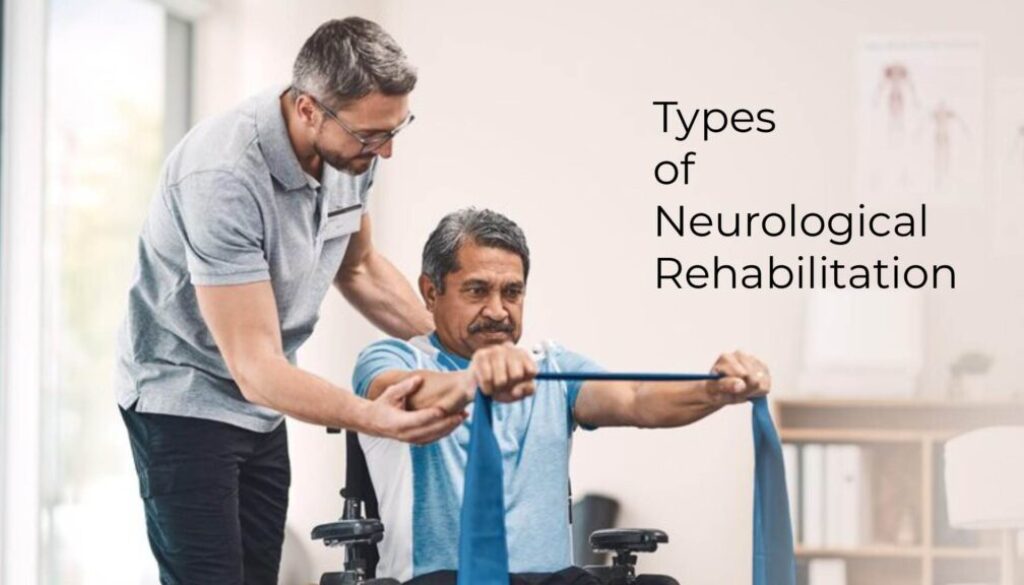
Types of Neurological Rehabilitation: A Recovery Guide
Neurological conditions can dramatically alter life as you know it, affecting everything from basic movements to cognitive abilities and emotional well-being. Whether you’re recovering from a stroke, managing Parkinson’s disease, or supporting a loved one through a spinal cord injury, understanding the different types of neurological rehabilitation is crucial for making informed decisions about treatment options.
At Physio At Your Doorstep, we bring specialized neurological physiotherapy services directly to your home across Bangalore, ensuring you receive expert care in the comfort of your familiar environment. This comprehensive guide explores the various types of neurological rehabilitation, helping you understand which approaches might benefit your recovery journey.
What is Neurological Rehabilitation?
Neurological rehabilitation is a specialized, medically supervised program designed to help individuals recover from injuries or diseases affecting the nervous system. The nervous system encompasses your brain, spinal cord, and peripheral nerves—the intricate network responsible for coordinating every movement, thought, and sensation you experience.
The primary goal of neuro rehabilitation extends beyond simply treating symptoms. It aims to restore maximum functional independence, improve quality of life, and help patients adapt to new challenges while regaining lost skills. This patient-centered approach addresses physical impairments, cognitive deficits, emotional challenges, and social participation limitations.
Who Needs Neurological Rehabilitation?
Neurological rehabilitation benefits individuals with various conditions, including:
- Stroke survivors experiencing paralysis, speech difficulties, or cognitive impairments
- Traumatic brain injury (TBI) patients dealing with motor and cognitive challenges
- Spinal cord injury individuals working toward mobility restoration
- Parkinson’s disease patients managing tremors, balance issues, and muscle rigidity
- Multiple sclerosis (MS) sufferers addressing muscle weakness and coordination problems
- Cerebral palsy children and adults improving motor control and functional abilities
- Peripheral neuropathy patients experiencing sensory deficits and weakness
- Alzheimer’s disease and dementia patients maintaining cognitive function
- Post-surgical neurological patients recovering from brain or spinal cord operations
Understanding your condition is the first step toward effective rehabilitation. Our team at Physio At Your Doorstep provides specialized neurological physiotherapy services tailored to your specific diagnosis and recovery goals.
Major Types of Neurological Rehabilitation
1. Physical Rehabilitation and Physiotherapy
Physical rehabilitation forms the cornerstone of neurological recovery, focusing on restoring movement, strength, balance, and coordination. This type of rehabilitation employs various evidence-based techniques to help patients regain functional mobility and independence.
Mobility and Gait Training
Walking difficulties are among the most common challenges after neurological damage. Gait training programs address muscle weakness, balance issues, and altered sensation through systematic exercises. Physiotherapists analyze your walking pattern, identify deviations, and implement corrective strategies to help you achieve a natural, efficient, and safe gait.
Gait rehabilitation may include:
- Progressive weight-bearing exercises
- Balance training on stable and unstable surfaces
- Treadmill training with or without body-weight support
- Functional walking practice in real-world environments
- Use of assistive devices like walkers, canes, or orthotic supports
Strength and Flexibility Training
Neurological conditions often lead to muscle weakness, atrophy, and decreased range of motion. Strengthening programs target affected muscle groups while maintaining flexibility through stretching exercises. These interventions prevent contractures, reduce spasticity, and improve overall functional capacity.
Balance and Coordination Training
Balance impairments significantly increase fall risk and limit independence. Specialized balance training incorporates exercises that challenge your vestibular system, proprioception, and motor control. Progressive activities help you develop stability during static positions and dynamic movements.
Neuromuscular Re-education
This technique focuses on retraining your nervous system to control muscles effectively. Through repetitive, task-specific movements, neuromuscular re-education capitalizes on neuroplasticity—your brain’s ability to reorganize and form new neural connections. The more you practice functional movements, the stronger these neural pathways become.
For comprehensive care that comes to you, explore our home physiotherapy services in Jayanagar and surrounding areas.
2. Occupational Therapy and Functional Training
Occupational therapy bridges the gap between clinical recovery and real-world independence. This rehabilitation type concentrates on helping you perform essential activities of daily living (ADLs) with maximum autonomy.
Activities of Daily Living (ADL) Training
Occupational therapists break down complex everyday tasks into manageable steps, systematically teaching or retraining skills such as:
- Dressing and grooming independently
- Bathing and personal hygiene management
- Eating and using utensils effectively
- Meal preparation and cooking
- Basic housekeeping and home management
- Money management and community navigation
Fine Motor Skills Development
Many neurological conditions impair the precise coordination needed for tasks involving small muscles in the hands and fingers. Fine motor training includes exercises for buttoning clothes, writing, typing, using smartphones, and manipulating small objects.
Adaptive Techniques and Assistive Devices
When complete recovery isn’t possible, occupational therapists recommend adaptive techniques and assistive devices to overcome specific challenges. These might include modified utensils, dressing aids, environmental modifications, or mobility equipment that enhance independence while minimizing the condition’s impact on daily life.
Cognitive Rehabilitation in Functional Context
Occupational therapy often integrates cognitive training within functional activities, helping patients manage attention, memory, problem-solving, and executive functions needed for successful task completion.
3. Speech and Language Therapy
Communication disorders and swallowing difficulties are common complications of neurological conditions, particularly after stroke or brain injury. Speech-language pathologists address these challenges through specialized interventions.
Articulation and Language Therapy
Speech therapy helps individuals regain or improve their ability to express themselves verbally and understand others. Therapists work on:
- Improving articulation and speech clarity
- Rebuilding vocabulary and language comprehension
- Developing alternative communication strategies
- Addressing aphasia (language disorder after brain damage)
- Managing dysarthria (slurred speech from muscle weakness)
Swallowing Therapy (Dysphagia Management)
Swallowing difficulties pose serious health risks, including aspiration pneumonia and malnutrition. Swallowing therapy involves:
- Assessment of swallowing coordination and safety
- Exercises to strengthen swallowing muscles
- Modification of food textures and liquid consistencies
- Teaching safe swallowing techniques and positioning strategies
- Training caregivers on proper feeding assistance
Voice and Fluency Training
For patients with voice disorders or fluency problems, therapy addresses volume control, pitch modulation, and speech rhythm to improve overall communication effectiveness.
4. Cognitive Rehabilitation and Neuropsychology
Cognitive impairments—affecting memory, attention, problem-solving, and executive functions—significantly impact independence and quality of life. Cognitive rehabilitation employs structured interventions to restore or compensate for these deficits.
Memory Training
Memory rehabilitation uses various techniques to improve information retention and recall:
- Mnemonic strategies and memory aids
- Repetition and spaced retrieval techniques
- Use of calendars, notebooks, and digital reminders
- Environmental modifications to support memory
- Training in compensatory strategies
Attention and Concentration Exercises
Structured activities gradually increase attention span and improve focus. Computer-based programs and traditional exercises challenge different aspects of attention, from sustained focus to divided attention across multiple tasks.
Executive Function Training
Executive functions encompass planning, organization, decision-making, and problem-solving. Rehabilitation addresses these higher-level cognitive skills through:
- Goal-setting and planning exercises
- Strategy training for complex tasks
- Time management and organizational skills
- Problem-solving in structured and real-world scenarios
Psychological Counseling and Emotional Support
Living with a neurological condition often brings psychological challenges, including depression, anxiety, grief, and adjustment difficulties. Neuropsychological counseling provides a supportive environment to address emotional well-being alongside cognitive recovery.
Similar to how we approach emotional well-being in our geriatric physiotherapy programs, neurological rehabilitation must consider the whole person, not just isolated symptoms.
5. Advanced Technology-Based Rehabilitation
Modern neurological rehabilitation increasingly incorporates cutting-edge technologies that enhance treatment intensity, precision, and patient engagement.
Robotic-Assisted Therapy
Robotic rehabilitation devices provide high-dose, repetitive movement training with precise control and feedback. These technologies include:
- Robotic exoskeletons: Wearable devices that support and guide limb movements, particularly beneficial for gait training and upper extremity rehabilitation
- End-effector robots: Devices that control the distal part of limbs, allowing patients to perform reaching and grasping exercises with assistance
- Body-weight supported treadmill training: Systems that reduce gravitational forces while patients practice walking patterns
Robotic therapy offers several advantages: consistent therapy delivery, objective performance measurement, increased training intensity, and reduced physical demands on therapists.
Virtual Reality and Gaming-Based Rehabilitation
Virtual reality (VR) creates immersive environments where patients practice functional tasks in engaging, game-like settings. VR rehabilitation benefits include:
- Increased motivation through gamification
- Safe practice of real-world scenarios
- Immediate performance feedback
- Adjustable difficulty levels
- Practice of tasks difficult to simulate in traditional therapy
Research demonstrates that VR-enhanced rehabilitation improves walking speed, balance, and mobility more effectively than standard rehabilitation alone for stroke recovery.
Functional Electrical Stimulation (FES)
FES delivers small electrical currents to paralyzed or weakened muscles, causing them to contract. This technology helps restore functional movements, prevent muscle atrophy, and maintain range of motion. Applications include drop foot stimulation during walking and upper extremity function restoration.
Brain Stimulation Techniques
Non-invasive brain stimulation methods, including transcranial magnetic stimulation (TMS) and transcranial direct current stimulation (tDCS), modulate brain activity to enhance motor and cognitive recovery. These techniques show promise when combined with traditional therapy approaches.
Learn more about how we incorporate modern technology in physiotherapy to optimize your recovery outcomes.
6. Constraint-Induced Movement Therapy (CIMT)
CIMT represents a breakthrough approach for upper extremity recovery after stroke or brain injury. This intensive rehabilitation method involves:
- Constraining the unaffected limb: Patients wear a mitt or sling on their stronger arm, preventing its use and forcing reliance on the affected limb
- Intensive practice: Engaging in task-specific exercises for several hours daily
- Functional task training: Practicing real-world activities rather than isolated movements
CIMT capitalizes on neuroplasticity and combats “learned non-use”—the tendency to abandon using an impaired limb even when some function remains. Research shows significant improvements in arm function, motor control, and daily activity performance with CIMT.
7. Aquatic Therapy (Hydrotherapy)
Water-based rehabilitation offers unique advantages for neurological patients:
- Reduced joint stress: Water buoyancy decreases gravitational forces, allowing easier movement
- Resistance training: Water provides natural resistance for strengthening exercises
- Improved balance and stability: Water supports the body while challenging coordination
- Muscle relaxation: Warm water reduces muscle tone and pain
- Psychological benefits: Aquatic environments often feel more enjoyable and less clinical
Hydrotherapy is particularly beneficial for patients with severe mobility limitations, spasticity, or pain that limits land-based exercise participation.
8. Constraint and Adaptation-Based Therapies
Beyond CIMT, several specialized approaches use constraint or adaptation principles:
Mirror Therapy
Mirror therapy creates a visual illusion where patients watch their unaffected limb’s reflection while attempting to move the affected limb. This technique activates mirror neurons and promotes motor recovery, particularly effective for phantom limb pain and post-stroke rehabilitation.
Mental Imagery and Motor Imagery Training
Motor imagery involves mentally rehearsing movements without physical execution. This cognitive practice activates similar brain regions as actual movement, supporting motor learning and recovery through neuroplasticity.
Prism Adaptation Training
Primarily used for neglect syndrome after stroke, prism adaptation involves wearing special glasses that shift visual perception. Repeated reaching tasks while wearing prisms help recalibrate spatial attention and improve functional abilities.
9. Proprioceptive Neuromuscular Facilitation (PNF)
PNF is a stretching and strengthening technique that optimizes motor performance through proprioceptive stimulation. This approach uses:
- Diagonal and spiral movement patterns reflecting natural functional movements
- Manual resistance provided by therapists
- Specific verbal cues and commands
- Stretching techniques to increase range of motion
- Strengthening through various contraction types
PNF effectively improves flexibility, strength, and motor control, particularly when combined with other rehabilitation approaches.
10. Neuro-Developmental Treatment (Bobath Approach)
The Bobath approach emphasizes movement quality over quantity. Therapists guide patients through normal movement patterns, helping them relearn efficient, functional movements. This technique focuses on:
- Facilitation of normal movement patterns
- Inhibition of abnormal tone and movements
- Promoting postural control and alignment
- Task-specific functional training
- Handling techniques by therapists and caregivers
While evidence supporting specific approaches varies, the Bobath concept remains widely used in neurological rehabilitation worldwide.
11. Sensory Re-education and Stimulation
Sensory impairments often accompany neurological conditions, affecting touch, temperature, pain, and proprioception. Sensory rehabilitation includes:
- Graded sensory stimulation: Exposing affected areas to various textures, temperatures, and pressures
- Sensory discrimination training: Helping patients distinguish between different sensory inputs
- Desensitization: Reducing hypersensitivity in affected body regions
- Proprioceptive training: Improving body position awareness without visual input
Improved sensory function enhances motor control, reduces injury risk, and supports functional recovery.
12. Spasticity Management
Spasticity—velocity-dependent muscle stiffness—commonly occurs after upper motor neuron damage. Management approaches include:
- Stretching programs: Regular, prolonged stretching to maintain soft tissue length
- Positioning and splinting: Preventing contractures and maintaining optimal limb position
- Pharmacological interventions: Oral medications or botulinum toxin injections
- Physical modalities: Heat, cold, or electrical stimulation
- Surgical interventions: For severe, refractory cases
Effective spasticity management is essential for optimizing function and preventing complications.
Just as we address muscle tone issues in our pediatric physical rehabilitation programs, spasticity management requires individualized, multifaceted approaches.
Inpatient vs. Outpatient Neurological Rehabilitation
Understanding the different rehabilitation settings helps you choose the most appropriate care level for your situation.
Inpatient Rehabilitation
Inpatient rehabilitation takes place within specialized facilities or hospital units, providing intensive, round-the-clock care. This option suits individuals who:
- Recently experienced acute events (stroke, traumatic brain injury, spinal surgery)
- Require constant medical supervision
- Need multiple therapy sessions daily
- Have complex medical needs
- Cannot safely manage at home initially
Inpatient programs typically deliver 3-5 hours of therapy daily across multiple disciplines, creating an immersive rehabilitation environment focused entirely on recovery.
Outpatient Rehabilitation
Outpatient rehabilitation allows patients to live at home while attending scheduled therapy sessions. This approach benefits individuals who:
- Have milder neurological conditions
- Progressed beyond the acute recovery phase
- Can safely manage at home with support
- Need continued therapy but not intensive daily treatment
- Want to integrate rehabilitation with daily life gradually
Outpatient sessions occur 1-5 times weekly depending on needs, offering flexibility while maintaining therapeutic progress.
Home-Based Rehabilitation
Home-based rehabilitation brings therapy directly to your residence, combining the benefits of professional care with the comfort of your familiar environment. At Physio At Your Doorstep, we specialize in delivering comprehensive neurological rehabilitation at home across Bangalore.
Advantages of home-based rehabilitation include:
- Comfort and convenience: No travel stress or transportation challenges
- Personalized environment: Therapy in the spaces where you’ll apply learned skills
- Family involvement: Easier caregiver training and family participation
- Reduced infection risk: Particularly important for immunocompromised individuals
- Flexible scheduling: Sessions arranged around your routine
- Contextual learning: Practicing functional tasks in your actual living environment
Our home physiotherapy services ensure you receive expert neurological rehabilitation without leaving your home, making recovery more accessible and effective.
The Multidisciplinary Rehabilitation Team
Successful neurological rehabilitation requires coordinated efforts from various healthcare professionals, each contributing specialized expertise.
Core Team Members
Physiatrists: Physicians specializing in physical medicine and rehabilitation who oversee treatment plans and coordinate care.
Physical Therapists: Focus on mobility, strength, balance, and functional movement restoration.
Occupational Therapists: Address activities of daily living, fine motor skills, and adaptive strategies.
Speech-Language Pathologists: Manage communication disorders and swallowing difficulties.
Neuropsychologists: Assess and treat cognitive and behavioral issues related to brain injury or disease.
Rehabilitation Nurses: Provide ongoing care, medication management, and patient education.
Social Workers: Address psychosocial needs, discharge planning, and community resources.
Recreational Therapists: Help patients pursue leisure interests and develop new hobbies supporting recovery.
This collaborative approach ensures comprehensive care addressing all aspects of your neurological condition and recovery goals.
Key Principles Underlying Effective Neurological Rehabilitation
Understanding these fundamental principles helps explain why specific approaches work and what to expect during your rehabilitation journey.
Neuroplasticity: The Brain’s Remarkable Ability to Adapt
Neuroplasticity—the brain’s capacity to reorganize itself by forming new neural connections—is the biological foundation of neurological rehabilitation. Following injury, undamaged brain regions can sometimes assume functions previously performed by damaged areas.
Rehabilitation exercises stimulate neuroplasticity through:
- Repetition: Frequent practice strengthens new neural pathways
- Task-specificity: Practicing actual functional activities
- Progressive challenge: Gradually increasing difficulty as abilities improve
- Motivation and engagement: Active participation enhances learning
Experience-Dependent Learning
Motor recovery depends on meaningful, goal-oriented practice. Simply moving passively won’t produce the same benefits as actively engaging in purposeful activities. Rehabilitation must involve:
- Sufficient repetitions (hundreds to thousands)
- Challenging but achievable tasks
- Immediate feedback on performance
- Functional relevance to daily life
Dose and Intensity Matter
Research consistently shows that more intensive therapy produces better outcomes. While individual tolerance varies, rehabilitation should provide:
- Adequate frequency (typically 3-5 sessions weekly minimum)
- Sufficient duration (45-60 minutes per session recommended)
- Appropriate intensity (challenging without overwhelming)
- Extended time frame (months to years for optimal recovery)
Patient-Centered Goal Setting
Effective rehabilitation begins with understanding what matters most to you. Therapists work collaboratively with patients to establish:
- Meaningful, functional goals
- Measurable outcomes
- Realistic timelines
- Priorities reflecting personal values
Your goals might include returning to work, caring for grandchildren, driving independently, or simply managing household tasks—whatever matters most to your quality of life.
Expected Outcomes and Recovery Timeline
Recovery from neurological conditions varies tremendously based on numerous factors, including the type and severity of injury, age, overall health, pre-existing conditions, and rehabilitation intensity.
What to Expect
Early Phase (First 3 Months) The first three months typically show the most dramatic improvements, particularly for stroke and traumatic brain injury. Spontaneous recovery combines with intensive rehabilitation to produce rapid gains in function.
Intermediate Phase (3-12 Months) Progress continues but often at a slower pace. Ongoing rehabilitation focuses on consolidating gains, developing compensatory strategies, and increasing independence in daily activities.
Long-Term Phase (Beyond 1 Year) While the rate of improvement may slow, meaningful recovery can continue for years with appropriate rehabilitation. Many patients experience continued gains through consistent therapy, adaptive strategies, and lifestyle modifications.
Factors Influencing Recovery
- Severity of injury: Mild conditions generally have better prognoses than severe damage
- Location of damage: Some brain and spinal cord regions have better recovery potential
- Age: Younger patients often show faster recovery, though older adults can achieve significant gains
- Pre-injury health: Better baseline health typically supports faster recovery
- Rehabilitation timing: Earlier intervention generally produces better outcomes
- Therapy intensity and duration: More comprehensive rehabilitation yields superior results
- Motivation and engagement: Active participation accelerates progress
- Social support: Family involvement and emotional support enhance outcomes
Realistic Expectations
Complete recovery isn’t always possible, particularly with severe neurological damage. However, even partial recovery can dramatically improve quality of life and independence. Focus on:
- Celebrating incremental progress
- Developing effective compensatory strategies
- Adapting your environment to support independence
- Maintaining realistic optimism while accepting current limitations
- Continuing rehabilitation efforts long-term
Choosing the Right Neurological Rehabilitation Program
Selecting an appropriate rehabilitation program requires considering several important factors:
Evaluate Expertise and Specialization
Look for rehabilitation providers with:
- Specialized training in neurological conditions
- Experience treating your specific diagnosis
- Evidence-based treatment approaches
- Positive patient outcomes and testimonials
- Appropriate credentials and certifications
Consider Convenience and Accessibility
Practical matters significantly impact rehabilitation success:
- Location: Can you reliably reach the facility, or is home-based therapy available?
- Scheduling: Does the program accommodate your schedule?
- Transportation: Do you have reliable transportation, or is assistance available?
- Family involvement: Can caregivers participate in therapy sessions?
Home-based rehabilitation from Physio At Your Doorstep eliminates many of these barriers, bringing expert care directly to you.
Assess Comprehensive Services
Optimal programs provide:
- Multiple therapy disciplines under one umbrella
- Coordinated, team-based care
- Regular progress assessments and plan adjustments
- Patient and caregiver education
- Transition planning and community resources
Insurance and Cost Considerations
Understanding financial aspects helps ensure sustainable, long-term rehabilitation:
- Verify insurance coverage for various rehabilitation types
- Understand out-of-pocket costs
- Explore payment plans or financial assistance
- Compare costs between different settings (inpatient, outpatient, home-based)
The Role of Family and Caregivers in Neurological Rehabilitation
Family members and caregivers are integral to rehabilitation success. Their involvement includes:
Active Participation in Therapy Sessions
Attending sessions helps caregivers:
- Understand the rehabilitation process
- Learn proper handling and assistance techniques
- Practice exercises alongside the patient
- Ask questions and gain knowledge
Home Exercise Program Support
Most rehabilitation extends beyond formal therapy sessions. Caregivers help by:
- Encouraging daily exercise practice
- Providing appropriate assistance
- Monitoring correct technique
- Tracking progress and reporting concerns
Emotional Support and Encouragement
The psychological aspects of recovery are profound. Caregivers provide:
- Emotional support during difficult periods
- Motivation when progress seems slow
- Celebration of achievements
- Patience with setbacks and frustrations
Advocacy and Communication
Caregivers often serve as liaisons between patients and healthcare teams, ensuring:
- Questions get answered
- Concerns are addressed promptly
- Information flows effectively
- Patient preferences are respected
Overcoming Common Challenges in Neurological Rehabilitation
Recovery journeys inevitably encounter obstacles. Recognizing and addressing common challenges promotes continued progress.
Plateau Periods
Many patients experience plateaus where progress seems to halt. During these times:
- Maintain consistency in therapy and exercises
- Consider adjusting treatment approaches
- Set new, different goals to reignite motivation
- Remember that internal changes may be occurring even without visible progress
- Consult your rehabilitation team about treatment modifications
Motivation Difficulties
Sustaining motivation over months or years of rehabilitation proves challenging for many. Strategies include:
- Breaking long-term goals into smaller, achievable milestones
- Varying exercises and activities to prevent boredom
- Connecting with support groups
- Focusing on meaningful functional outcomes
- Celebrating all progress, no matter how small
Pain Management
Pain can significantly interfere with rehabilitation participation. Work with your team to:
- Identify pain sources and triggers
- Implement appropriate pain management strategies
- Modify exercises to minimize discomfort
- Balance activity with adequate rest
- Explore various pain relief modalities
Fatigue
Neurological conditions often cause profound fatigue that limits activity tolerance. Management approaches include:
- Pacing activities with regular rest breaks
- Prioritizing most important tasks during high-energy periods
- Gradually building endurance
- Addressing sleep quality
- Managing medical contributors to fatigue
Secondary Complications
Preventing complications maintains rehabilitation progress:
- Pressure ulcers: Regular position changes and proper positioning
- Contractures: Consistent stretching and range of motion exercises
- Deep vein thrombosis: Mobility, compression, and medical management
- Depression and anxiety: Psychological support and intervention
- Deconditioning: Maintaining physical activity within capabilities
Emerging Trends and Future Directions in Neurological Rehabilitation
The field of neurological rehabilitation continues evolving with exciting developments on the horizon.
Telerehabilitation
Remote therapy delivery using video conferencing and digital platforms expands access to rehabilitation services, particularly for individuals in underserved areas or with transportation limitations. Telerehabilitation enables:
- Real-time guidance from therapists
- Home exercise monitoring
- Increased therapy frequency without travel burden
- Continued care during circumstances preventing in-person visits
Wearable Technology and Remote Monitoring
Sophisticated wearable devices track movement, vital signs, and activity levels, providing valuable data to guide rehabilitation. These technologies enable:
- Objective measurement of daily activity
- Early detection of concerning trends
- Personalized feedback and motivation
- Remote assessment of home exercise adherence
Artificial Intelligence and Machine Learning
AI algorithms analyze movement patterns with unprecedented precision, identifying subtle abnormalities and predicting outcomes. Applications include:
- Personalized treatment optimization
- Automated movement analysis
- Predictive modeling for recovery trajectories
- Enhanced diagnostic capabilities
Regenerative Medicine Approaches
Research explores combining rehabilitation with biological interventions:
- Stem cell therapies to promote neural repair
- Growth factors to enhance neuroplasticity
- Pharmacological agents to prime the brain for learning
- Combined rehabilitation-pharmacological protocols
Brain-Computer Interfaces
Cutting-edge technology allows direct communication between brain signals and external devices, offering hope for individuals with severe paralysis. These systems may eventually:
- Control robotic limbs or exoskeletons through thought
- Enable communication for people unable to speak
- Provide neurofeedback for rehabilitation
- Restore sensation through sensory feedback systems
Conclusion: Your Path Forward in Neurological Rehabilitation
Navigating neurological rehabilitation can feel overwhelming, but understanding the various types of rehabilitation available empowers you to make informed decisions about your care. Whether you’re recovering from stroke, managing a progressive neurological condition, or supporting a loved one through this journey, remember that meaningful recovery is possible with the right approach, professional guidance, and sustained effort.
Each type of neurological rehabilitation—from physical therapy and occupational therapy to cutting-edge technologies and specialized techniques—plays a unique role in addressing the complex challenges neurological conditions present. The most effective rehabilitation programs combine multiple approaches tailored to your specific needs, goals, and circumstances.
At Physio At Your Doorstep, we’re committed to bringing expert neurological rehabilitation directly to your home across Bangalore. Our specialized physiotherapists understand the unique challenges you face and create personalized treatment plans that address your physical, cognitive, and emotional needs. By eliminating transportation barriers and providing care in your comfortable, familiar environment, we make high-quality rehabilitation more accessible and effective.
Recovery is rarely linear—expect setbacks, plateaus, and challenges alongside progress and achievements. With persistence, appropriate professional support, family involvement, and evidence-based interventions, you can work toward regaining independence, improving quality of life, and achieving your rehabilitation goals.
Don’t let neurological challenges define your future. Take the first step toward recovery by booking an appointment with our expert physiotherapy team today. Whether you’re in JP Nagar, BTM Layout, Jayanagar, Koramangala, HSR Layout, Whitefield, or anywhere else in Bangalore, professional neurological rehabilitation support is just a call away.
Your journey toward recovery and independence begins now—and we’re here to support you every step of the way.
Additional Resources
For more information about specialized physiotherapy services we offer:
- Orthopedic Rehabilitation: Learn about our comprehensive orthopedic physiotherapy approaches for joint and muscle conditions
- Pediatric Care: Discover our pediatric physical rehabilitation services for children with developmental or neurological challenges
- Advanced Technology: Explore how we incorporate cutting-edge technology in physiotherapy to enhance your recovery
- Sports Rehabilitation: Access specialized sports physiotherapy techniques for athletic injuries and performance optimization
Contact Information
Physio At Your Doorstep Founded by Dr. Atharva Mishra Serving all areas across Bangalore
Contact us today to discuss your neurological rehabilitation needs and schedule your first home visit. Your recovery is our priority.
This article is for informational purposes only and does not constitute medical advice. Always consult with qualified healthcare professionals regarding your specific condition and treatment options. Individual results may vary based on multiple factors including the severity of condition, adherence to treatment, and overall health status.