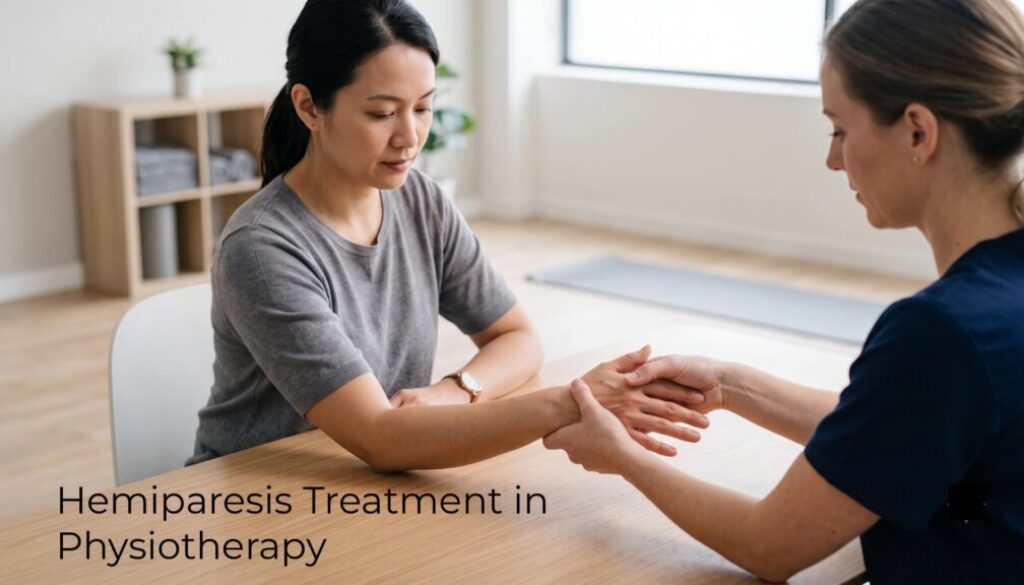
Hemiparesis Treatment in Physiotherapy Recovery Guide
Introduction: Understanding Hemiparesis and Why Early Physiotherapy Matters
If you or a loved one has been told you have hemiparesis, the first question that naturally follows is: “What can be done about it?” The short answer is a great deal, especially with the right physiotherapy intervention started early.
Hemiparesis refers to weakness on one side of the body, affecting the arm, leg, face, or a combination of these, caused by damage to the central nervous system. It is one of the most common physical disabilities following a stroke, traumatic brain injury, or neurological condition such as cerebral palsy. According to the World Health Organization, stroke is the second leading cause of death globally and a leading cause of long-term adult disability, with hemiparesis being among its most frequent outcomes.
What separates hemiparesis from complete paralysis (hemiplegia) is the presence of residual movement. That residual movement is the starting point that physiotherapists work with. Through targeted, evidence-based rehabilitation, the brain can rewire itself, a property known as neuroplasticity, to compensate for injured areas and restore meaningful function. The earlier and more consistently this rehabilitation begins, the better the outcome.
This guide covers everything you need to know about hemiparesis treatment in physiotherapy and management: what causes it, how it is assessed, which treatment techniques have the strongest evidence, and what realistic recovery looks like, including the growing role of home-based physiotherapy.
What Causes Hemiparesis? A Quick Clinical Overview
Understanding the cause helps tailor the right physiotherapy plan. The most common causes include:
- Stroke (ischemic or hemorrhagic): The brain loses blood supply to motor areas, killing cells responsible for movement control. Because each hemisphere of the brain controls movement on the opposite side of the body, a left hemisphere stroke causes right-sided hemiparesis, and vice versa.
- Traumatic Brain Injury (TBI): Direct damage to motor cortex or corticospinal tracts.
- Cerebral Palsy: Abnormal development or damage to the immature brain, often before or during birth.
- Brain Tumors or Infections: Space-occupying lesions that compress motor pathways.
- Multiple Sclerosis: Demyelination of nerve fibers in the brain or spinal cord.
- Spinal Cord Injury: Lesions at cervical levels can produce weakness patterns that resemble hemiparesis.
An important clinical distinction: ipsilateral hemiparesis (weakness on the same side as the brain lesion) can also occur with certain brainstem injuries or unusual stroke patterns. This is why a thorough neurological assessment before beginning a physiotherapy program is non-negotiable.
Recognizing Hemiparesis: Key Signs and Symptoms
Hemiparesis does not present identically in every person, which is why individualized assessment is the foundation of good management. Common signs include:
- Muscle weakness or reduced power in the arm, hand, leg, or face on one side
- Difficulty walking, reduced walking speed, and altered gait pattern
- Impaired balance and coordination (ataxic gait)
- Spasticity or increased muscle tone in the affected limbs
- Reduced fine motor control, such as difficulty gripping, pinching, or writing
- Tingling, numbness, or altered sensation on the affected side
- Fatigue when performing physical tasks
- Difficulty with activities of daily living (ADL) such as dressing, bathing, and eating
These symptoms affect not just movement but quality of life, independence, and mental health. A comprehensive physiotherapy management program addresses all of these dimensions, not just the physical weakness.
The Role of Neuroplasticity in Hemiparesis Recovery
Before diving into specific treatment techniques, it is essential to understand the science behind why physiotherapy works for hemiparesis.
The central nervous system possesses an extraordinary ability to reorganize itself in response to activity and training. This is called neuroplasticity. When an area of the brain responsible for movement is damaged, neighboring regions can, with enough stimulation, gradually take over some of that function. New synaptic connections are formed and strengthened through repetitive, purposeful movement practice.
This is why high-repetition, task-specific training is central to every evidence-based hemiparesis physiotherapy program. The principle is straightforward: the neural pathways you use most often become strongest. Random, low-effort activity does not drive meaningful neuroplastic change. Structured, consistent, progressively challenging rehabilitation does.
Research published in Frontiers in Neurology (2026) confirms that modern therapeutic interventions targeting neuroplasticity, including constraint-induced movement therapy, functional electrical stimulation, and mirror therapy, significantly enhance activities of daily living in patients recovering from hemiplegia and hemiparesis.
Hemiparesis Treatment in Physiotherapy: Evidence-Based Techniques
1. Initial Physiotherapy Assessment
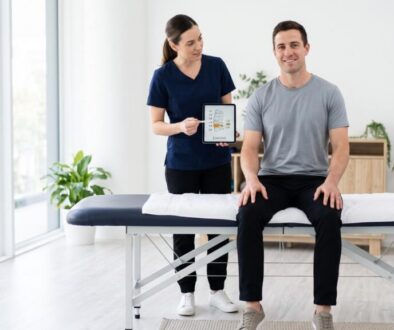
Every hemiparesis rehabilitation journey begins with a detailed assessment. A qualified physiotherapist evaluates:
- Muscle strength using the Medical Research Council (MRC) scale
- Spasticity levels using the Modified Ashworth Scale (MAS)
- Range of motion at affected joints
- Balance using the Berg Balance Scale (BBS)
- Functional independence using the Barthel Index
- Gait quality through observation and timed tests (10 Meter Walk Test, Timed Up and Go)
- Sensory and proprioceptive function
- Cognitive status and ability to participate in rehabilitation
This assessment determines which stage of recovery the patient is at and guides the individualized treatment plan. It also sets measurable baselines to track progress over time.
2. Neurological Physiotherapy Approaches: Bobath and PNF
Two of the most established frameworks for hemiparesis treatment in neurological physiotherapy are the Bobath (Neurodevelopmental Treatment, NDT) approach and Proprioceptive Neuromuscular Facilitation (PNF).
Bobath Approach: This technique focuses on normalizing muscle tone, inhibiting abnormal reflex patterns, and facilitating more normal movement. Therapists use handling techniques, positioning, and weight-bearing activities to reduce spasticity and improve postural control. Reflexinhibitory postures are encouraged during rest to prevent complications and promote recovery.
PNF (Proprioceptive Neuromuscular Facilitation): PNF uses diagonal movement patterns that mirror natural functional movements. By combining resistance, stretching, and rotational movements, it activates multiple muscle groups simultaneously and improves neuromuscular coordination. PNF patterns are particularly effective for strengthening the affected shoulder, trunk, and hip in hemiparesis.
Both approaches are commonly used together in a well-rounded neurological physiotherapy program. At Physio at Your Doorstep, our neurological physiotherapy service integrates these classical approaches with the latest evidence-based techniques for optimal outcomes.
3. Constraint-Induced Movement Therapy (CIMT)
Constraint-Induced Movement Therapy is one of the most robustly evidence-backed interventions for upper limb hemiparesis. In CIMT, the stronger, unaffected arm is restrained (typically with a mitt or sling) for 90% of waking hours over a 2-week intensive period, while the patient practices intensive, task-specific exercises with the weaker arm for several hours per day.
The mechanism: CIMT overcomes “learned non-use,” a phenomenon where the brain habituates to not using the weaker limb because the stronger one compensates. By forcing use of the affected arm, CIMT drives cortical reorganization and promotes use-dependent neuroplasticity.
A comprehensive review published in PMC (2026) identified CIMT as one of the most effective interventions for improving upper extremity function in hemiparesis patients, with particular benefits for individuals who retain some voluntary movement in the affected hand.
Modified CIMT protocols (mCIMT) have also been developed for patients who cannot tolerate the original high-intensity schedule, offering a more gradual approach with equivalent long-term benefits for many patients.
4. Mirror Therapy
Mirror therapy is a simple yet scientifically supported technique with a growing evidence base spanning over 20 years of research. A mirror is positioned vertically between the two arms (or legs), with the affected limb hidden behind it. The patient exercises the unaffected limb while watching its reflection in the mirror, creating the visual illusion that the affected limb is moving normally.
This visual feedback activates mirror neurons and stimulates the motor cortex areas associated with the affected limb. Research in Frontiers in Psychology (2026), analyzing over 728 published studies, found that mirror therapy consistently improves motor recovery in hemiparesis, with particularly strong evidence for hand and arm function. It has also been shown to reduce central pain and improve sensory awareness.
Mirror therapy is practical, low-cost, and easy to incorporate into both clinical sessions and home exercise programs, making it an excellent tool for ongoing self-management.
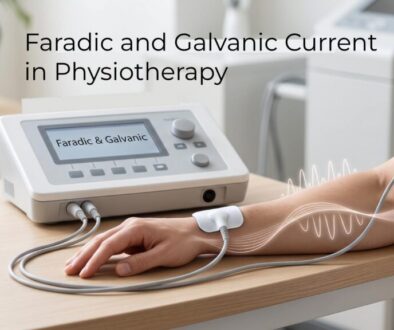
5. Functional Electrical Stimulation (FES) and Neuromuscular Electrical Stimulation (NMES)
Electrical stimulation modalities are powerful adjuncts to active exercise in hemiparesis rehabilitation.
FES (Functional Electrical Stimulation) delivers electrical pulses to peripheral nerves or muscles in a pattern that mimics natural muscle activation during a functional task, such as the swing phase of walking or reaching for an object. FES is especially valuable in patients who cannot initiate voluntary movement in the affected limb, as it helps prevent muscle atrophy and maintains joint health while neuroplastic recovery progresses.
NMES (Neuromuscular Electrical Stimulation) is a broader category that includes FES and is used to improve muscle strength, reduce spasticity, and facilitate motor relearning. The 2026 systematic review cited above ranked NMES among the top evidence-based interventions for upper limb hemiparesis.
Combined approaches, using FES during task-specific training (for example, stimulating wrist extensors while the patient practices reaching), produce better results than either modality alone.
6. Gait Training and Lower Limb Rehabilitation
Walking dysfunction is one of the most significant functional limitations in hemiparesis. A comprehensive hemiparesis management program must address gait quality, not just lower limb strength.
Key elements of gait retraining include:
- Treadmill training with or without body weight support: Provides repetitive walking practice and allows patients to achieve safe gait with reduced fall risk.
- Task-specific overground walking: Practicing walking in real environments transfers better to daily life than treadmill training alone.
- Ankle-Foot Orthosis (AFO) fitting: Many patients with hemiparesis develop foot drop. An appropriately fitted AFO maintains ankle position during the swing phase and dramatically improves gait quality and safety.
- Balance training: Progressive standing balance and dynamic balance exercises using parallel bars, balance boards, and eventually unsupported standing.
- Hip and knee strengthening: Targeted strengthening of gluteal muscles, quadriceps, and hamstrings on the affected side.
- Stair climbing and outdoor terrain practice: Essential for real-world independence and often an overlooked component of rehabilitation.
Core stability training underpins all of these. A physiotherapist who overlooks trunk and pelvic control in a hemiparesis patient will find that peripheral limb training produces limited functional carry-over.
7. Spasticity Management
Spasticity (involuntary muscle stiffness) affects the majority of people with hemiparesis and, if left unmanaged, leads to contractures, pain, and further loss of function. Physiotherapy plays a central role in spasticity management.
Evidence-based approaches include:
- Prolonged stretching and serial casting: Gradual lengthening of spastic muscles, particularly the calf, hip flexors, and elbow flexors.
- Positioning: Careful positioning of the affected limb in reflex-inhibitory patterns during rest and sleep.
- Splinting and orthotics: Resting hand splints and dorsal wrist splints help maintain joint alignment and reduce flexor spasticity. Research suggests dorsal resting hand splints are more effective for spasticity reduction than volar equivalents.
- Hydrotherapy or warm water therapy: Warmth reduces muscle tone and allows easier active movement for exercise.
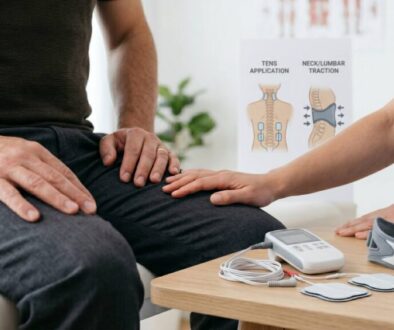
- Electrical stimulation: TENS and NMES have demonstrated benefit for chronic spasticity, particularly in the lower limb.
In some cases, physiotherapy works alongside medical management with botulinum toxin (Botox) injections into spastic muscles. Botox temporarily reduces tone for 3-4 months, creating a therapeutic window during which physiotherapy can make faster gains in range of motion and motor control.
8. Activities of Daily Living (ADL) Training and Occupational Integration
Physiotherapy for hemiparesis is not complete without functional integration, training the patient to perform real-life tasks with their affected limb.
ADL training might include:
- Practicing writing, eating, and typing with the affected hand
- Relearning dressing and personal hygiene tasks
- Adapting kitchen activities for one-handed or hemiparetic use
- Practicing safe transfers (bed to chair, chair to standing)
- Stair climbing with rail assistance
This is where the goal of “restoring independence” becomes concrete. The physiotherapist identifies which daily tasks matter most to the individual patient and systematically trains those specific activities.
9. Home Exercise Programs: The Multiplier Effect
Neuroplasticity requires repetition, and no clinical session, however excellent, provides enough repetitions on its own. Home exercise programs (HEP) are not optional extras in hemiparesis rehabilitation. They are essential.
A physiotherapist designs a personalized HEP that the patient practices between sessions. The key principles of a good HEP are:
- Exercises are task-specific and functional
- Instructions are simple, clear, and ideally demonstrated on video
- Repetition counts are high (massed practice principle)
- Difficulty progresses gradually as the patient improves
- Family members or caregivers are trained to assist and supervise
Studies consistently show that patients who adhere to HEPs achieve significantly better outcomes than those who rely solely on clinic-based sessions.
This is one of the major advantages of choosing home-based physiotherapy. When a trained physiotherapist visits you at home, they can directly design and supervise exercises in the actual environment where you live. For patients with hemiparesis in Bangalore, our home physiotherapy service brings expert neurological rehabilitation directly to you, eliminating the transport challenges that often lead to missed sessions and slowed recovery.
Hemiparesis vs. Hemiplegia: Understanding the Difference
These two terms are often used interchangeably but they are clinically distinct.
Hemiparesis refers to partial weakness on one side. Some voluntary movement remains, and the prognosis for functional recovery with physiotherapy is generally good.
Hemiplegia refers to complete or near-complete paralysis on one side. While recovery is more challenging, physiotherapy still plays a critical role in preventing complications, maintaining joint health, reducing spasticity, and maximizing whatever residual function exists.
In practice, many patients who present with hemiplegia early after a stroke progress to varying degrees of hemiparesis as initial swelling and shock subside. The physiotherapy approach is similar for both conditions, though intensity and expectations differ.
How Long Does Hemiparesis Recovery Take?
This is the question every patient and family asks, and it deserves an honest answer.
The most significant neurological recovery typically occurs in the first 3 to 6 months following a stroke or brain injury. However, meaningful functional gains continue well beyond this period, sometimes for years, with consistent rehabilitation.
Factors that influence recovery time include:
- The size and location of the brain lesion
- Age and overall health of the patient
- Time elapsed before rehabilitation began (earlier is always better)
- Intensity and consistency of physiotherapy
- Patient motivation and engagement with home exercise programs
- Presence of other conditions such as diabetes, heart disease, or depression
There is no ceiling on recovery if rehabilitation is sustained. Patients who are told “you have reached a plateau” often continue to improve when they switch to a more intensive, evidence-based program.
The Advantage of Home-Based Physiotherapy for Hemiparesis Management
For people managing hemiparesis, traveling to a clinic for sessions can be genuinely difficult, tiring, and sometimes unsafe. Home-based physiotherapy removes these barriers entirely.
At Physio at Your Doorstep, we provide specialized neurological physiotherapy for hemiparesis patients across Bangalore, including JP Nagar, BTM Layout, Jayanagar, Koramangala, HSR Layout, and Whitefield. Our physiotherapists are trained in Bobath, PNF, CIMT, mirror therapy, FES, gait retraining, and spasticity management.
Home sessions offer several distinct advantages for hemiparesis management:
- Exercises are practiced in the patient’s actual living environment
- Therapy can be integrated into real daily routines
- Family members are trained as recovery partners
- Reduced fatigue and better session attendance
- Comfortable, familiar surroundings reduce anxiety and improve engagement
Whether you need post-stroke rehabilitation, post-surgical physiotherapy for a neurological condition, or ongoing management of chronic hemiparesis, our team is available for same-day appointments and 24/7 support.
You may also be interested in our geriatric physiotherapy services for older adults managing hemiparesis, and our post-surgical physiotherapy program for those recovering from neurosurgical procedures.
Key Takeaways: What Makes Hemiparesis Physiotherapy Effective
- Start early. Neuroplasticity is most active in the first few weeks after injury.
- Practice consistently and with high repetition. Massed practice is the engine of neuroplastic recovery.
- Use evidence-based techniques: CIMT, mirror therapy, FES, task-specific training, and gait retraining all have strong research support.
- Address spasticity proactively. Unmanaged spasticity leads to contractures and long-term disability.
- Integrate ADL training. Recovery is only meaningful when it translates to real-life independence.
- Commit to home exercise programs. Clinical sessions provide guidance; home practice drives results.
- Work with a specialist. General physiotherapy and neurological physiotherapy are not the same. Hemiparesis requires expertise in neurorehabilitation.
Trusted Resources for Further Reading
- World Health Organization (WHO) – Stroke and Neurological Rehabilitation: https://www.who.int
- National Institute of Neurological Disorders and Stroke (NINDS): https://www.ninds.nih.gov
- Physiopedia – Hemiplegia and Physiotherapy: https://www.physio-pedia.com/Hemiplegia
- Frontiers in Neurology – Advances in Hemiplegia Rehabilitation (2026): https://www.frontiersin.org/journals/neurology/articles/10.3389/fneur.2026.1555990/full
- PMC Systematic Review – Effective Interventions for Upper Extremity Hemiparesis (2026): https://pmc.ncbi.nlm.nih.gov/articles/PMC13108678/
This article is intended for educational purposes and does not replace professional medical or physiotherapy advice. Please consult a qualified physiotherapist or physician for a personalized assessment and treatment plan.
Published by Physio at Your Doorstep | Bangalore’s Home Physiotherapy Specialists
https://physioatyourdoorstep.com