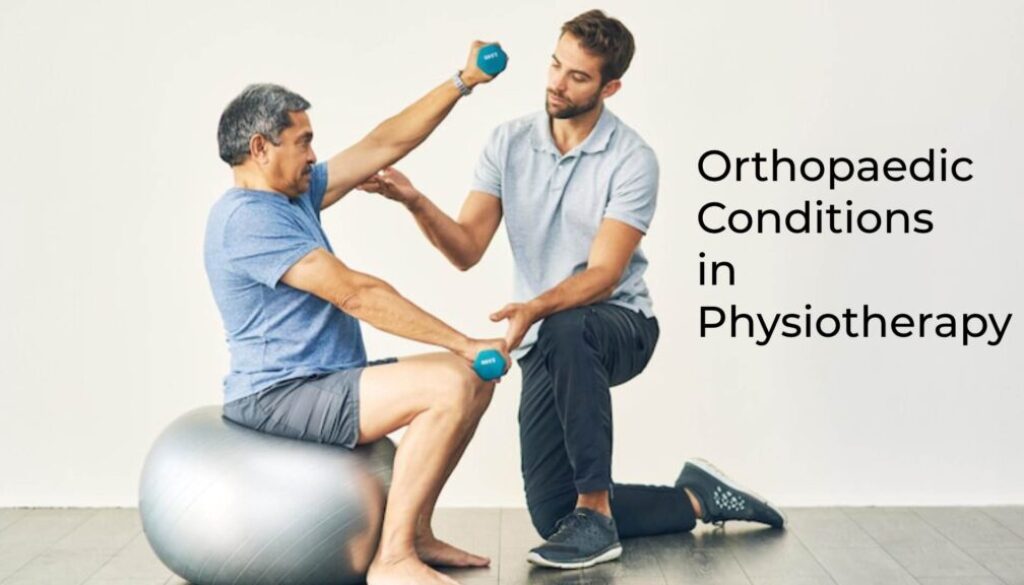
Orthopaedic Conditions in Physiotherapy: All you need to Know
Discover how specialized physiotherapy effectively treats a wide range of orthopaedic conditions. Get expert musculoskeletal care delivered to your doorstep in Bangalore.
Introduction
Orthopaedic conditions in physiotherapy represent one of the most significant areas of musculoskeletal healthcare, affecting millions of Indians across all age groups. From busy professionals in Bangalore’s tech corridors to elderly residents in Mumbai’s housing societies, orthopaedic disorders have become increasingly prevalent in our modern lifestyle. These conditions, encompassing everything from joint pain and muscle injuries to complex bone disorders, significantly impact quality of life and daily functioning.
The field of physiotherapy has emerged as a cornerstone in treating orthopaedic conditions, offering evidence-based, non-invasive solutions that often eliminate the need for surgical intervention. Unlike traditional approaches that focus solely on symptom management, modern physiotherapy addresses the root causes of orthopaedic problems through comprehensive assessment, targeted treatment, and preventive strategies.
With the growing demand for accessible healthcare in India’s metro cities, home-based physiotherapy has revolutionized the treatment of orthopaedic conditions. This approach combines the expertise of qualified physiotherapists with the convenience and comfort of receiving treatment in familiar surroundings, making recovery more effective and sustainable for patients across Delhi NCR, Chennai, Hyderabad, and other major Indian cities.
Understanding orthopaedic conditions and their physiotherapy management is crucial for making informed healthcare decisions. This comprehensive guide explores the various aspects of orthopaedic physiotherapy, from common conditions and treatment approaches to recovery expectations and prevention strategies, helping you navigate your path to optimal musculoskeletal health.
Understanding Orthopaedic Conditions
What Are Orthopaedic Conditions?
Orthopaedic conditions refer to disorders affecting the musculoskeletal system, which includes bones, joints, muscles, ligaments, tendons, and associated structures. These conditions can result from injury, disease, congenital abnormalities, or degenerative processes that occur naturally with aging. The scope of orthopaedic conditions is vast, ranging from acute sports injuries to chronic degenerative diseases.
Components of the Musculoskeletal System:
- Bones: Provide structural framework and protection for vital organs
- Joints: Enable movement and flexibility between bone connections
- Muscles: Generate force and produce movement
- Ligaments: Connect bones to other bones, providing stability
- Tendons: Attach muscles to bones, transmitting force
- Cartilage: Cushions joints and reduces friction during movement
- Fascia: Surrounds and supports muscles and organs
Classification of Orthopaedic Conditions
Acute vs. Chronic Conditions:
- Acute conditions: Sudden onset, typically following injury or trauma
- Chronic conditions: Develop gradually over time, often due to repetitive stress or degenerative processes
Traumatic vs. Non-Traumatic:
- Traumatic: Result from specific injuries or accidents
- Non-traumatic: Develop due to overuse, poor posture, or underlying disease processes
Inflammatory vs. Non-Inflammatory:
- Inflammatory: Involve active inflammation and immune response
- Non-inflammatory: Primarily mechanical or degenerative in nature
Prevalence in Indian Population
Recent studies indicate that orthopaedic conditions affect approximately 45-60% of India’s urban population, with higher prevalence in metro cities:
City-Specific Data:
- Bangalore: 52% of IT professionals report musculoskeletal problems
- Mumbai: 48% of residents experience joint-related issues
- Delhi NCR: 55% of working adults have postural-related orthopaedic conditions
- Chennai: 42% of the population suffers from chronic joint pain
- Hyderabad: 47% report work-related musculoskeletal disorders
Demographic Factors:
- Age-related increase: 25% in 20-30 years, 65% in 50+ years
- Gender differences: Women show higher prevalence of osteoarthritis and osteoporosis
- Occupational impact: 70% higher incidence in desk-bound professions
Common Orthopaedic Conditions Treated with Physiotherapy
Spinal Disorders
Lower Back Pain and Lumbar Conditions: Lower back pain affects over 80% of adults at some point in their lives, making it one of the most common orthopaedic conditions requiring physiotherapy intervention.
Common Lumbar Conditions:
- Lumbar disc herniation and prolapse
- Lumbar spondylosis and degenerative disc disease
- Sciatica and nerve root compression
- Lumbar spinal stenosis
- Facet joint dysfunction
- Muscle strains and ligament sprains
Physiotherapy Approach:
- Manual therapy techniques for joint mobilization
- Specific exercises for core strengthening
- Postural correction and ergonomic training
- Pain management through various modalities
- Functional movement training
Cervical Spine Disorders: Neck-related problems have increased dramatically with the rise of computer-based work and smartphone usage in Indian cities.
Common Cervical Conditions:
- Cervical disc prolapse and herniation
- Cervical spondylosis and arthritis
- Neck pain and stiffness
- Whiplash injuries
- Torticollis and muscle spasms
- Cervical radiculopathy
Treatment Benefits:
- 85% reduction in pain within 6-8 weeks
- Improved range of motion and function
- Prevention of surgical intervention in 90% of cases
- Enhanced quality of life and work productivity
Joint Disorders
Knee Conditions: The knee joint bears significant weight and stress, making it susceptible to various orthopaedic conditions.
Common Knee Problems:
- Osteoarthritis and degenerative joint disease
- Meniscus tears and cartilage damage
- Ligament injuries (ACL, PCL, MCL, LCL)
- Patellofemoral pain syndrome
- Bursitis and tendinitis
- Post-surgical rehabilitation
Physiotherapy Benefits:
- Pain reduction and inflammation control
- Strength training for supporting muscles
- Improved joint mobility and flexibility
- Functional training for daily activities
- Prevention of further joint deterioration
Shoulder Disorders: Shoulder problems are increasingly common among professionals and athletes.
Common Shoulder Conditions:
- Rotator cuff tears and impingement
- Frozen shoulder (adhesive capsulitis)
- Shoulder dislocation and instability
- Biceps tendinitis and bursitis
- Acromioclavicular joint problems
- Post-fracture rehabilitation
Treatment Outcomes:
- 75% improvement in range of motion
- Significant pain reduction within 4-6 weeks
- Return to functional activities
- Prevention of chronic complications
Hip Disorders: Hip conditions can significantly impact mobility and independence.
Common Hip Problems:
- Hip osteoarthritis and degenerative changes
- Hip bursitis and tendinitis
- Hip fractures and post-surgical care
- Hip impingement syndrome
- Muscle strains and tears
- Developmental hip dysplasia
Bone and Fracture-Related Conditions
Fracture Rehabilitation: Post-fracture physiotherapy is crucial for optimal recovery and preventing long-term complications.
Common Fracture Sites:
- Wrist and forearm fractures
- Ankle and foot fractures
- Hip and femur fractures
- Shoulder and arm fractures
- Spinal compression fractures
Rehabilitation Goals:
- Restore normal bone healing
- Regain range of motion and strength
- Improve functional capacity
- Prevent complications like stiffness and weakness
- Return to pre-injury activity levels
Osteoporosis and Bone Health: Osteoporosis affects millions of Indians, particularly post-menopausal women.
Physiotherapy Role:
- Weight-bearing exercises for bone density
- Balance training to prevent falls
- Posture correction and spinal alignment
- Education about bone health and nutrition
- Safe exercise prescription
Muscle and Soft Tissue Disorders
Muscle Strains and Tears: Acute muscle injuries are common in both athletes and general population.
Common Muscle Injuries:
- Hamstring and quadriceps strains
- Calf muscle tears
- Back muscle spasms
- Neck and shoulder muscle strains
- Groin and hip flexor injuries
Treatment Approach:
- Immediate pain and inflammation management
- Progressive strengthening exercises
- Flexibility and mobility training
- Functional movement patterns
- Return-to-activity protocols
Tendon Disorders: Tendinitis and tendinopathy affect various body parts.
Common Tendon Problems:
- Tennis elbow (lateral epicondylitis)
- Golfer’s elbow (medial epicondylitis)
- Achilles tendinitis
- Rotator cuff tendinitis
- Patellar tendinitis
- De Quervain’s tenosynovitis
Sports-Related Orthopaedic Injuries
Common Sports Injuries: With increasing participation in sports and fitness activities across Indian cities, sports-related orthopaedic conditions are becoming more prevalent.
Frequent Sports Injuries:
- Anterior cruciate ligament (ACL) tears
- Ankle sprains and instability
- Shoulder dislocations
- Tennis and golfer’s elbow
- Stress fractures
- Muscle strains and contusions
Specialized Sports Physiotherapy:
- Sport-specific rehabilitation protocols
- Biomechanical analysis and correction
- Performance enhancement training
- Injury prevention strategies
- Return-to-sport testing and clearance
How Physiotherapy Helps Orthopaedic Conditions
Comprehensive Assessment and Diagnosis
Initial Evaluation Process: A thorough assessment is the foundation of effective orthopaedic physiotherapy treatment.
Assessment Components:
- Detailed medical history: Previous injuries, surgeries, medications, and lifestyle factors
- Physical examination: Posture analysis, range of motion testing, strength assessment
- Functional assessment: Daily activity limitations and work-related challenges
- Pain evaluation: Location, intensity, triggers, and patterns
- Neurological screening: Nerve function and sensation testing
- Special tests: Condition-specific clinical tests for accurate diagnosis
Diagnostic Imaging Integration: Physiotherapists work closely with medical professionals to interpret diagnostic imaging:
- X-rays for bone and joint abnormalities
- MRI for soft tissue and detailed structural analysis
- CT scans for complex bone injuries
- Ultrasound for real-time tissue assessment
Evidence-Based Treatment Approaches
Manual Therapy Techniques: Hands-on treatment methods form a cornerstone of orthopaedic physiotherapy.
Manual Therapy Methods:
- Joint mobilization: Gentle movements to improve joint function
- Soft tissue mobilization: Techniques to address muscle and fascia restrictions
- Manipulation: High-velocity techniques for specific joint restrictions
- Myofascial release: Pressure techniques for fascial restrictions
- Trigger point therapy: Treatment of muscle knots and tension points
Exercise Therapy: Structured exercise programs are essential for orthopaedic recovery.
Exercise Categories:
- Range of motion exercises: Maintain and improve joint flexibility
- Strengthening exercises: Progressive resistance training for muscle recovery
- Stability and balance training: Improve proprioception and prevent falls
- Functional training: Task-specific exercises for daily activities
- Cardiovascular conditioning: Overall fitness and endurance improvement
Electrotherapy and Physical Modalities: Modern physiotherapy utilizes various physical agents for enhanced healing.
Common Modalities:
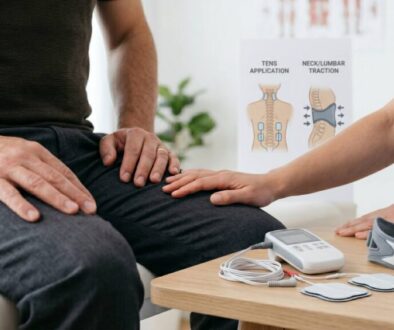
- TENS (Transcutaneous Electrical Nerve Stimulation): Pain management
- Ultrasound therapy: Deep tissue heating and healing
- Interferential therapy (IFT): Pain relief and muscle stimulation
- Laser therapy: Tissue healing and inflammation reduction
- Heat and cold therapy: Temperature-based treatment approaches
- Compression therapy: Swelling reduction and support
Pain Management Strategies
Multimodal Pain Approach: Effective pain management combines various techniques for optimal results.
Pain Management Techniques:
- Immediate pain relief through appropriate modalities
- Progressive loading to desensitize painful structures
- Movement-based approaches to reduce pain-related fear
- Education about pain mechanisms and recovery
- Stress management and relaxation techniques
Chronic Pain Management: For long-standing orthopaedic conditions, specialized approaches are required.
Chronic Pain Strategies:
- Graded exposure to activities
- Cognitive-behavioral aspects of pain management
- Pacing strategies for activity management
- Sleep hygiene and fatigue management
- Social and emotional support integration
Functional Restoration
Activities of Daily Living (ADL) Training: Helping patients return to normal daily activities is a primary goal.
ADL Focus Areas:
- Personal care activities (bathing, dressing, grooming)
- Household tasks (cooking, cleaning, shopping)
- Work-related activities and ergonomics
- Transportation and mobility
- Recreation and leisure activities
Work Conditioning and Hardening: For patients returning to physically demanding jobs.
Work Rehabilitation Components:
- Job-specific task simulation
- Progressive strengthening for work demands
- Endurance training for sustained activities
- Injury prevention education
- Workplace modification recommendations
Treatment Modalities and Techniques
Advanced Manual Therapy Approaches
Osteopathic Techniques: Holistic manual therapy approaches that consider the entire body system.
Osteopathic Principles:
- Structure and function relationship
- Body’s inherent healing capacity
- Importance of proper circulation
- Integration of body systems
Dry Needling and Trigger Point Therapy: Specialized techniques for muscle dysfunction treatment.
Dry Needling Benefits:
- Immediate pain relief for muscle tension
- Improved muscle function and flexibility
- Enhanced blood flow to treated areas
- Reduction in muscle spasm and tightness
Modern Technology Integration
Biofeedback and Real-Time Assessment: Technology-enhanced treatment for better outcomes.
Technology Applications:
- Surface EMG for muscle activity monitoring
- Pressure biofeedback for exercise precision
- Balance training systems with visual feedback
- Movement analysis using smartphone apps
Tele-Rehabilitation: Remote physiotherapy support for continued care.
Tele-Rehab Features:
- Video consultations for progress monitoring
- Exercise prescription and modification
- Home exercise program guidance
- Progress tracking and adjustment
Specialized Treatment Protocols
Condition-Specific Protocols: Tailored treatment approaches for different orthopaedic conditions.
Protocol Examples:
- Post-surgical protocols: Specific timelines and precautions
- Sports injury protocols: Return-to-play guidelines
- Arthritis management protocols: Joint protection strategies
- Osteoporosis protocols: Bone health optimization
Age-Specific Approaches: Treatment modifications based on patient age and needs.
Age Considerations:
- Pediatric physiotherapy: Growth-related considerations
- Adult physiotherapy: Work and family demands
- Geriatric physiotherapy: Age-related changes and safety
- Women’s health: Hormonal influences and pregnancy-related conditions
Benefits of Home Physiotherapy for Orthopaedic Conditions
Convenience and Accessibility
Eliminating Transportation Barriers: Home physiotherapy removes significant obstacles to treatment access.
Transportation Benefits:
- No need to navigate traffic in busy cities like Mumbai and Bangalore
- Elimination of transportation costs and time
- Accessibility for patients with severe mobility limitations
- Family can observe and learn treatment techniques
- Flexible scheduling around work and family commitments
Personalized Environment: Treatment in familiar surroundings enhances comfort and outcomes.
Environmental Advantages:
- Reduced anxiety and stress in familiar settings
- Real-time assessment of home environment hazards
- Immediate implementation of safety modifications
- Integration of daily activities into treatment
- Privacy and dignity during treatment sessions
Enhanced Treatment Outcomes
One-on-One Attention: Individualized care leads to better results.
Quality of Care Benefits:
- Undivided attention from the physiotherapist
- Customized treatment based on immediate response
- Detailed observation of movement patterns
- Immediate correction of exercise techniques
- Comprehensive patient education
Real-Time Home Modifications: Immediate environmental adjustments for safety and function.
Home Modification Examples:
- Furniture arrangement for safe mobility
- Lighting improvements for fall prevention
- Bathroom safety equipment installation guidance
- Workspace ergonomic modifications
- Stair safety and handrail recommendations
Cost-Effectiveness
Reduced Overall Healthcare Costs: Home physiotherapy offers significant cost savings.
Cost Benefits:
- Lower treatment costs compared to clinic visits plus transportation
- Reduced need for multiple family member visits
- Prevention of costly complications through early intervention
- Decreased likelihood of surgical intervention
- Faster return to work and productivity
Insurance and Payment Options: Many insurance providers now cover home physiotherapy services.
Financial Accessibility:
- Cashless treatment options with major insurers
- Flexible payment plans for extended treatment
- Corporate wellness program integration
- Family package deals for multiple members
- Transparent pricing with no hidden costs
Family Involvement and Support
Caregiver Training: Family members learn to support ongoing recovery.
Family Education Components:
- Exercise supervision and assistance techniques
- Recognition of warning signs and complications
- Home safety and modification strategies
- Emotional support and motivation techniques
- Long-term maintenance and prevention strategies
Multi-Generational Benefits: Home physiotherapy can address multiple family members’ needs.
Family Health Advantages:
- Assessment and prevention for other family members
- Ergonomic improvements benefiting entire household
- Health education for family wellness
- Early identification of genetic predispositions
- Cost-effective treatment for multiple conditions
Recovery Expectations and Timelines
Acute Orthopaedic Conditions
Week 1-2: Immediate Management Phase Primary Goals:
- Pain and inflammation control
- Protection of injured structures
- Gentle mobility maintenance
- Patient education and safety
ExpMonth 4-6: Progressive Improvement Phase Continued Development:ected Outcomes:
- 30-40% reduction in acute pain
- Improved sleep quality
- Basic movement with modifications
- Understanding of condition and prognosis
Treatment Focus:
- Ice/heat therapy application
- Gentle range of motion exercises
- Pain management techniques
- Activity modification guidance
Week 3-6: Early Recovery Phase Primary Goals:
- Progressive pain reduction
- Gradual increase in activity levels
- Introduction of strengthening exercises
- Functional movement training
Expected Outcomes:
- 60-70% improvement in pain levels
- Increased confidence in movement
- Return to modified daily activities
- Established exercise routine
Treatment Progression:
- Manual therapy intensification
- Progressive exercise introduction
- Functional activity training
- Work/sport-specific preparation
Week 7-12: Functional Restoration Phase Primary Goals:
- Return to normal activities
- Prevention strategy implementation
- Long-term maintenance planning
- Complete symptom resolution
Expected Outcomes:
- 85-95% symptom improvement
- Full return to work and activities
- Independent exercise management
- Confidence in long-term health management
Chronic Orthopaedic Conditions
Month 1-3: Stabilization Phase Chronic conditions require a different approach focusing on stabilization and gradual improvement.
Goals and Expectations:
- Establishing baseline function and pain levels
- Implementing consistent treatment routine
- 40-50% improvement in symptoms
- Development of self-management skills
Month 4-6: Progressive Improvement Phase Continued Development:
- Significant functional improvements
- 60-75% symptom reduction
- Increased activity tolerance
- Refined self-management strategies
- Month 7-12: Maintenance and Optimization Phase, Long-term Management:
- Optimal functional levels achieved
- 80-90% improvement in quality of life
- Independent long-term management
- Prevention of future complications
Factors Affecting Recovery
Patient-Related Factors:
- Age and overall health status
- Severity and chronicity of condition
- Compliance with treatment recommendations
- Psychological factors and motivation
- Social support and environment
Condition-Related Factors:
- Type and extent of injury or pathology
- Presence of complications or comorbidities
- Previous treatment history
- Anatomical location and complexity
Treatment-Related Factors:
- Early intervention and appropriate treatment
- Quality and consistency of physiotherapy
- Integration of multiple treatment modalities
- Patient education and self-management training
Prevention Strategies for Orthopaedic Conditions
Workplace Injury Prevention
Ergonomic Principles: Proper workplace setup is crucial for preventing orthopaedic conditions, especially in India’s growing IT and service sectors.
Computer Workstation Setup:
- Monitor at eye level to prevent neck strain
- Keyboard and mouse at elbow height
- Feet flat on floor with thigh support
- Regular breaks every 30-45 minutes
- Adjustable chair with lumbar support
Standing Desk Considerations:
- Gradual transition to standing work
- Anti-fatigue mats for comfort
- Alternating between sitting and standing
- Proper monitor height adjustment
- Footrest options for comfort
Occupational Health Programs: Many companies in Bangalore, Mumbai, and Delhi now implement comprehensive workplace health initiatives.
Program Components:
- Workplace ergonomics assessment
- Employee education on injury prevention
- Regular health screenings and assessments
- On-site physiotherapy services
- Stress management and wellness programs
Lifestyle Modifications
Physical Activity and Exercise: Regular exercise is fundamental for orthopaedic health.
Exercise Recommendations:
- 150 minutes of moderate aerobic activity weekly
- Strength training exercises 2-3 times per week
- Flexibility and stretching routines daily
- Balance training for fall prevention
- Activity progression based on fitness level
Nutrition for Bone and Joint Health: Proper nutrition supports musculoskeletal health.
Nutritional Considerations:
- Adequate calcium and vitamin D intake
- Anti-inflammatory foods and omega-3 fatty acids
- Proper hydration for joint lubrication
- Weight management for joint stress reduction
- Avoiding excessive alcohol and smoking
Age-Specific Prevention
Young Adults (20-40 years):
- Establishment of healthy exercise habits
- Proper lifting and movement techniques
- Stress management and sleep hygiene
- Early intervention for minor problems
- Awareness of occupational risks
Middle Age (40-60 years):
- Regular health screenings and bone density tests
- Hormone-related health considerations
- Weight management and cardiovascular health
- Joint protection strategies
- Balance and fall prevention training
Older Adults (60+ years):
- Comprehensive fall prevention programs
- Medication review and management
- Home safety modifications
- Social engagement and mental health
- Regular medical and physiotherapy check-up
Why Choose “Physio At Your Doorstep” for Orthopaedic Conditions
Expertise and Specialization
Qualified Orthopaedic Physiotherapists: Our team consists of highly trained professionals with specialized expertise in musculoskeletal conditions.
Professional Qualifications:
- Bachelor’s/Master’s degrees in Physiotherapy
- Specialized orthopaedic manual therapy certification
- Continuing education in latest treatment techniques
- Experience with diverse orthopaedic conditions
- Regular skill updates and professional development
Specialized Treatment Approaches: We utilize evidence-based treatment methods tailored to specific orthopaedic conditions.
Treatment Specializations:
- Manual therapy and mobilization techniques
- Exercise prescription and progression
- Pain management and modality application
- Ergonomic assessment and workplace modification
- Sports injury rehabilitation and performance enhancement
Comprehensive Service Coverage
Wide Range of Orthopaedic Conditions: We treat virtually all musculoskeletal disorders affecting bones, joints, muscles, and related structures.
Condition Categories:
- Spinal disorders and back pain
- Joint problems including arthritis and injuries
- Muscle and tendon disorders
- Sports-related injuries and rehabilitation
- Post-surgical orthopaedic rehabilitation
- Osteoporosis and bone health management
Advanced Treatment Modalities: Our physiotherapists utilize modern equipment and techniques for optimal outcomes.
Equipment and Techniques:
- Portable electrotherapy devices (TENS, IFT, Ultrasound)
- Manual therapy tools and assessment equipment
- Exercise equipment for home-based strengthening
- Biofeedback devices for movement training
- Educational materials and exercise guides
Geographic Coverage and Accessibility
Bangalore:
- Complete coverage including Electronic City, Whitefield, Koramangala, HSR Layout
- IT corridor specialized services for tech professionals
- Corporate wellness programs for major companies
- Weekend and evening appointments available
Technology Integration and Innovation
Digital Health Integration: We leverage technology to enhance treatment outcomes and patient engagement.
Digital Features:
- Detailed digital assessment and progress tracking
- Exercise video libraries with personalized programs
- Real-time communication with physiotherapists
- Family involvement through digital platforms
- Integration with healthcare providers and insurance
Telemedicine Support: Continuous care through remote monitoring and consultation.
Remote Care Features:
- Video consultations for progress reviews
- Exercise technique verification
- Symptom monitoring and early intervention
- Medication and treatment adjustment guidance
- Emergency consultation availability
Related Services and Comprehensive Care
Integrated Musculoskeletal Health Services
Comprehensive Back Pain Management:
- Lower back pain and disc problems
- Upper back and thoracic spine conditions
- Postural correction and ergonomic training
- Work-related back injury prevention
Specialized Neck Pain Treatment:
- Cervical spine disorders and disc problems
- Whiplash and trauma-related neck injuries
- Tech neck and postural-related conditions
- Headache and TMJ disorder management
- Acute sports injury management
- Return-to-sport protocols and testing
- Performance enhancement training
- Injury prevention and conditioning programs
- Joint replacement recovery programs
- Arthroscopic surgery rehabilitation
- Fracture healing and mobility restoration
- Scar tissue management and prevention
Preventive and Wellness Services
Workplace Ergonomics and Health:
- Comprehensive workstation assessments
- Corporate wellness program development
- Employee health screening and education
- Productivity enhancement through health optimization
Women’s Health Physiotherapy:
- Pregnancy-related musculoskeletal conditions
- Post-partum recovery and rehabilitation
- Osteoporosis prevention and management
- Hormonal influence on musculoskeletal health
Geriatric Care and Fall Prevention:
- Age-related musculoskeletal changes
- Balance training and fall prevention
- Home safety assessment and modification
- Chronic condition management
Take Control of Your Orthopaedic Health Today
Living with orthopaedic conditions doesn’t have to limit your potential or quality of life. Whether you’re dealing with acute injury, chronic pain, or seeking to prevent musculoskeletal problems, expert physiotherapy can make a transformative difference in your health journey.
Experience Expert Orthopaedic Care at Home
Ready to transform your musculoskeletal health? Book your comprehensive orthopaedic physiotherapy assessment today and discover the difference expert home care can make.
Why Start Your Recovery Journey Today?
Immediate Benefits:
- Same-day or next-day appointment availability
- Comprehensive assessment and immediate pain relief strategies
- Personalized treatment plan development
Long-term Advantages:
- Prevention of condition worsening and complications
- Faster recovery with early intervention
- Cost-effective alternative to prolonged medical treatment
- Sustainable, long-term health improvement strategies
Convenience and Quality:
- Expert physiotherapists with orthopaedic specialization
- State-of-the-art portable equipment
- Flexible scheduling around your lifestyle
- Comprehensive insurance coverage options
Contact Information and Booking:
Website: physioatyourdoorstep.com
Book Online: Schedule Your Assessment
Corporate Services: Workplace Wellness Programs
Service Coverage Across India:
- Bangalore: All areas including tech corridors and suburban regions
Expanding Network:
- Ahmedabad, Kolkata, Kochi, Indore, and other major cities
- Rural and semi-urban area coverage through partner networks
- Medical tourism support for international patients
Start Your Recovery Journey:
Three Simple Steps to Better Health:
Step 1: Book Your Assessment
- Online booking through our website
- Phone consultation for immediate needs
- Emergency and urgent care options
Step 2: Receive Expert Care
- Comprehensive assessment by qualified physiotherapist
- Immediate treatment and pain relief strategies
- Personalized treatment plan development
Step 3: Achieve Your Goals
- Regular progress monitoring and plan adjustments
- Family support and education throughout recovery
- Long-term health maintenance and prevention strategies
Don’t let orthopaedic conditions control your life. Take the first step toward pain-free living and optimal musculoskeletal health. Your journey to recovery begins with a single decision – book your home physiotherapy session today.
Evidence-Based References and Resources
Peer-Reviewed Research and Medical Literature:
- International Journal of Physical Medicine & Rehabilitation – “Effectiveness of Home-Based Physiotherapy for Musculoskeletal Disorders: A Systematic Review” (2023)
- The Lancet Rheumatology – “Global Burden of Musculoskeletal Disorders in Low- and Middle-Income Countries” (2023)
- Journal of Orthopaedic & Sports Physical Therapy – “Manual Therapy and Exercise for Orthopaedic Conditions: Evidence-Based Practice Guidelines” (2023)
- Physical Therapy Research – “Home-Based vs. Clinic-Based Physiotherapy: Comparative Effectiveness for Orthopaedic Conditions” (2022)
- Indian Journal of Physiotherapy and Occupational Therapy – “Prevalence and Management of Musculoskeletal Disorders in Urban Indian Population” (2023)
Professional Medical Organizations:
- World Health Organization (WHO) – Musculoskeletal Health Global Action Plan 2021-2030
- Indian Association of Physiotherapists (IAP) – Clinical Practice Guidelines for Orthopaedic Conditions
- American Physical Therapy Association (APTA) – Evidence-Based Practice Guidelines
- International Federation of Orthopaedic Manipulative Physical Therapists (IFOMPT) – Clinical Reasoning and Treatment Standards
Government Health Resources:
- All India Institute of Medical Sciences (AIIMS) – Musculoskeletal Disorder Management Guidelines
- Indian Council of Medical Research (ICMR) – National Health Survey Data on Musculoskeletal Conditions
- Ministry of Health & Family Welfare, Government of India – National Program for Health Care of Elderly
- National Institute of Occupational Health (NIOH) – Workplace Injury Prevention Guidelines
Clinical Research and Evidence:
- Cochrane Library – Systematic Reviews on Physiotherapy for Musculoskeletal Disorders
- PubMed Database – Latest research on orthopaedic physiotherapy interventions
- BMJ Open – Cost-effectiveness studies of home-based rehabilitation
- Spine Journal – Evidence-based treatment for spinal disorders
This comprehensive guide is based on current medical evidence and professional standards. Individual treatment outcomes may vary, and this information should not replace professional medical consultation. Always consult qualified healthcare providers for personalized diagnosis and treatment recommendations.