Types of Pediatric Physiotherapy: Benefits & Approaches
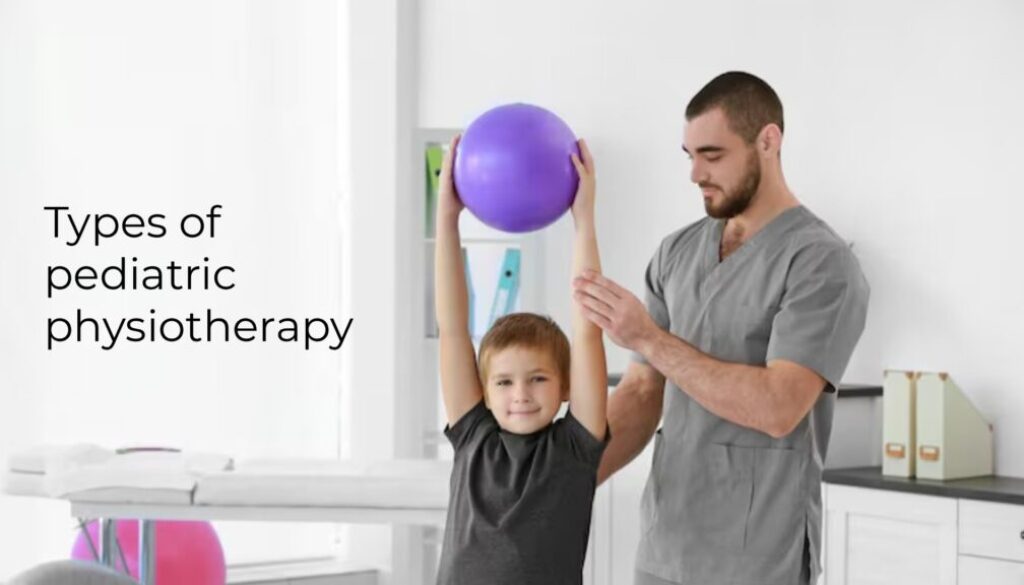
Pediatric physiotherapy supports infants, toddlers, and teens to move better, build strength, achieve milestones, and participate in daily life.
Core types include developmental, neurological (e.g., NDT, CIMT), musculoskeletal/orthopedic, balance and gait training, sensory-vestibular integration, respiratory/chest physiotherapy, aquatic therapy, postural management, serial casting and orthotics, and family training with structured home programs.
Therapy is most effective when it’s playful, intensive enough, and paired with parent coaching and consistent home practice.
Early intervention changes outcomes — neuroplasticity is strongest in early childhood.
What is pediatric physiotherapy?
Pediatric physiotherapy (also called pediatric physical therapy or paediatric physiotherapy) is specialized, play-driven rehabilitation for children from birth through adolescence. It helps kids develop foundational motor skills, improve strength and balance, enhance coordination, recover after injury or surgery, and achieve functional goals — from rolling and crawling to running, jumping, and participating in school and sports.
Because kids aren’t just “small adults,” pediatric physio considers growth, sensory processing, attention, family routines, and motivation. Therapists use games, songs, visual cues, and adaptive equipment to make hard work feel fun. Care is family-centered: parents and caregivers learn to support progress in everyday routines.
If you’re exploring local support, learn more about our pediatric physiotherapy service in Bangalore:
Pediatric physiotherapy service overview
Who benefits?
Babies and toddlers with delayed milestones (rolling, sitting, crawling, walking)
Children with neurological conditions (cerebral palsy, spina bifida, muscular dystrophy)
Kids with torticollis/plagiocephaly, toe-walking, flat feet, hypermobility, scoliosis
Post-injury or post-surgical rehab (fractures, ligament injuries, limb lengthening)
Respiratory conditions (e.g., cystic fibrosis, post-viral airway clearance)
Sensory and vestibular challenges affecting balance and motor planning
Sports injuries, pain, or recurrent sprains in children and teens
Explore common pediatric physiotherapy conditions:
Pediatric physiotherapy conditions:
Signs your child may benefit from pediatric physio
Milestones are late compared to typical age ranges
Persistent toe-walking after age 2–3
Frequent tripping, clumsiness, or poor balance
W-sitting, persistent poor posture, or fatigue with physical play
Asymmetry (one side seems weaker, head tilt, preference for one hand very early)
Pain with movement, limping, or recovery after injury
Ongoing cough with mucus, frequent chest infections (respiratory physio may help)
Types of pediatric physiotherapy
The approaches below reflect what leading clinics, hospitals, and professional bodies most often reference. Your child’s plan will be individualized — therapists mix and match methods to goals, age, and diagnosis.
Developmental physiotherapy (milestones and early intervention)
What it is: Therapy aligned to developmental stages (infancy to early childhood). Focuses on head/trunk control, rolling, sitting, crawling, cruising, walking, running, jumping, and playground skills.
Techniques: Tummy time progressions, facilitation for transitions (supine-to-sit, sit-to-crawl), play-based strengthening, motor planning, coaching parents on positioning and daily routines.
Who it helps: Premature infants, babies with motor delays, hypotonia, Down syndrome, general developmental delay.
Outcomes: Earlier, safer milestones; better core stability and endurance.
Neurodevelopmental treatment (NDT/Bobath)
What it is: Handling and facilitation techniques to improve posture, movement quality, and functional skills in neurological conditions.
Techniques: Guided weight-shifts, trunk and pelvic alignment, proximal stability for distal control, graded challenge during play.
Who it helps: Cerebral palsy, brain injury, stroke, spina bifida, genetic syndromes affecting tone or coordination.
Outcomes: More efficient movement patterns, better balance, improved participation.
Constraint-Induced Movement Therapy (CIMT)
What it is: Encourages use of the weaker arm/hand by gently limiting the stronger side during tasks.
Techniques: Task-specific practice (stacking, grasp-and-release, feeding), positive reinforcement, varied play tasks.
Who it helps: Hemiplegic cerebral palsy, unilateral weakness after brain injury or stroke.
Outcomes: Stronger use of the affected limb, better bimanual skills, improved daily independence.
Sensory integration and vestibular therapy
What it is: Activities that improve sensory processing and head/eye-body balance systems.
Techniques: Swings for vestibular input, obstacle courses for proprioception, balance boards, scooter boards, deep pressure activities.
Who it helps: Children with poor balance, sensory processing differences, developmental coordination disorder, autism-related motor challenges.
Outcomes: More regulated behavior, improved attention and postural control, smoother coordination.
Balance, coordination, and motor control training
What it is: Progressive activities to challenge static and dynamic balance and fine-tune timing and sequencing.
Techniques: Single-leg tasks, hopping patterns, agility ladders, ball skills, reactive balance games.
Who it helps: “Clumsy” kids, recurrent ankle sprainers, post-injury rehab, vestibular disorders.
Outcomes: Fewer falls, better sports participation, confidence in play.
Gait training and treadmill training (including body-weight support)
What it is: Step training to normalize gait patterns and build endurance.
Techniques: Treadmill walking with or without body-weight support, LiteGait-style harness systems, overground gait drills, foot placement and cadence cues.
Who it helps: CP, developmental delay, post-surgery, neuromuscular disorders, toe-walking.
Outcomes: Smoother gait, endurance, speed, improved community mobility.
Pediatric musculoskeletal/orthopedic physiotherapy
What it is: Rehab for bones, joints, and muscles after injury, surgery, or in growth-related pain.
Techniques: Safe strengthening, joint mobilization, stretching, biomechanics correction, sport-specific return-to-play plans.
Who it helps: Fractures, ligament sprains, overuse injuries (Sever’s, Osgood-Schlatter), post-op ACL or hip dysplasia.
Outcomes: Pain reduction, restored strength and ROM, safe return to sport.
Torticollis and plagiocephaly management
What it is: Early therapy to address neck muscle tightness and head shape asymmetry.
Techniques: Gentle stretches, position changes, tummy time programs, caregiver coaching, sometimes orthotic helmets per specialist guidance.
Who it helps: Infants with head tilt, preference to one side, flat spots on skull.
Outcomes: Midline head control, symmetrical movement, normalized head shape when addressed early.
Postural management and seating
What it is: Positioning strategies to protect joints, reduce spasticity-driven deformity risk, and support function.
Techniques: Supported seating, standing frames, night knee/ankle splints, 24-hour positioning plans, school seating recommendations.
Who it helps: CP, neuromuscular conditions, severe hypotonia or hypertonia.
Outcomes: Comfort, breathing and swallowing support, better participation and skin/joint health.
Serial casting, splinting, and orthotics
What it is: Temporary casts/splints and long-term orthoses to improve range and alignment.
Techniques: Serial ankle casting for equinus/toe-walking, wrist/hand splints, AFOs/SMOs/UCBLs, nighttime splinting with stretching program.
Who it helps: Spasticity, contracture risk, toe-walking, ligament laxity, foot posture issues.
Outcomes: Functional alignment, safer gait, easier shoe wear, reduced pain.
Strength and conditioning for kids
What it is: Age-appropriate progressive strengthening with emphasis on form and fun.
Techniques: Bodyweight drills, resistance bands, medicine balls, plyometrics for older athletes, motor patterning.
Who it helps: Hypotonia, recurrent injuries, sports performance gaps, post-immobilization weakness.
Outcomes: Stronger, more resilient kids; better jump/land mechanics and endurance.
Flexibility and range-of-motion therapy
What it is: Systematic stretching and mobilization to address tightness or contractures.
Techniques: PNF stretching, prolonged holds, active mobility work, daily micro-doses in routines.
Who it helps: CP spasticity, post-cast immobilization, sports tightness.
Outcomes: Easier dressing and hygiene, better movement quality and comfort.
Manual therapy and pain management
What it is: Hands-on techniques to improve soft tissue and joint mobility and reduce pain.
Techniques: Gentle joint mobilizations, soft tissue release, kinesiology taping, edema control.
Who it helps: Acute injuries, hypermobility pains, post-op stiffness, growing pains with contributing biomechanical factors.
Outcomes: Comfort, improved mechanics, faster return to activity.
Respiratory/chest physiotherapy for children
What it is: Airway clearance and breathing mechanics training.
Techniques: Positioning, percussion/vibration, breathing exercises (ACBT), PEP devices, cough facilitation, education on mucus management.
Who it helps: Cystic fibrosis, bronchiectasis, post-viral chest congestion, neuromuscular weakness affecting cough.
Outcomes: Better airway clearance, fewer infections, improved activity tolerance.
Aquatic therapy (hydrotherapy)
What it is: Therapy in warm water using buoyancy and resistance.
Techniques: Supported walking, balance games, graded strengthening, mobility in a reduced-gravity environment.
Who it helps: Joint pain, spasticity, obesity limiting land exercise, low endurance, post-op rehab.
Outcomes: Confidence with movement, strength with less impact, improved body awareness.
Functional electrical stimulation (FES) and adjunct technologies
What it is: Targeted muscle activation using electrical impulses to improve timing/strength during tasks.
Techniques: FES for foot drop during gait, cycling systems, EMG biofeedback, VR/interactive games to drive repetition.
Who it helps: Neurological weakness with preserved peripheral nerve function; motor learning goals.
Outcomes: Better carryover into real-world tasks, improved timing and coordination.
Sports rehabilitation for kids and teens
What it is: Progressive rehab with sport-specific drills and return-to-play criteria adjusted for growth plates and maturity.
Techniques: Strength/power, agility, landing mechanics, workload management, injury-prevention programs.
Who it helps: Field/court athletes, swimmers, gymnasts, runners.
Outcomes: Safe, confident return to sport; lower re-injury risk.
Pelvic and core health for pediatrics
What it is: Child-appropriate programs for core stability and, where indicated, bladder/bowel-related pelvic health issues in collaboration with pediatric specialists.
Techniques: Breathing and core synergy, posture training, age-appropriate pelvic floor awareness under specialist guidance.
Who it helps: Diastasis-related trunk control issues, constipation-linked posture/breathing patterns, select pelvic health needs.
Outcomes: Better trunk support, fewer posture-related symptoms, improved participation.
Family training and home programs
What it is: Coaching caregivers to embed therapeutic reps into daily life.
Techniques: Routine stacking (e.g., stretches after bath time), play-based home circuits, simple tracking charts for consistency.
Who it helps: Everyone — dosage and repetition at home drive outcomes.
Outcomes: Faster gains, longer-lasting results, empowered families.
Tele-rehab and home-based physio
What it is: Virtual or at-home sessions that reduce missed visits and improve carryover in the child’s real environment.
Techniques: Live video coaching, home equipment hacks, parent-led practice with feedback; therapist travel for in-home care when needed.
Outcomes: Higher adherence, realistic goal-setting, fewer logistics barriers.
Want a practical overview of what pediatric rehabilitation can look like week-to-week?
Guide to pediatric physical rehabilitation
What a pediatric physio session looks like
A typical session includes:
Check-in and goal review (what changed this week, wins and barriers)
Warm-up and priming (vestibular/sensory activities, dynamic movements)
Focused blocks (e.g., balance circuits, NDT facilitation, gait drills)
Play-based conditioning (fun challenges tied to goals)
Cool-down, airway clearance, or breathing work if needed
Parent coaching and home plan updates
Clinic vs home-based sessions
Clinic advantages: Access to specialized equipment (treadmills with support harnesses, balance tools), controlled environments, group motivation.
Home advantages: Real-life context, natural toys/equipment, better routine carryover, time-saving for families in Bangalore traffic.
Hybrid models often work best: in-clinic intensives plus home-based follow-ups.
How progress is measured (and why intensity matters)
Outcome measures commonly used in pediatric physiotherapy include:
Gross Motor Function Measure (GMFM)
Peabody Developmental Motor Scales (PDMS-2)
Bruininks-Oseretsky Test of Motor Proficiency (BOT-2)
Timed Up and Go (TUG) and 6-Minute Walk Test (6MWT)
Pediatric Evaluation of Disability Inventory (PEDI/PEDI-CAT)
Evidence consistently shows that intensity and repetition matter for motor learning. Short blocks of higher-frequency therapy (e.g., 2–5 sessions/week for specific goals) plus daily home practice often outperform low-frequency, ad-hoc schedules. The best plan balances clinical intensity with family capacity and school demands.
Neurological conditions often benefit from targeted mobility and motor learning strategies:
Explore neurological physiotherapy exercises
How to choose the right pediatric physiotherapist in Bangalore
Pediatric specialization: Ask about training and experience with your child’s age and diagnosis.
Parent coaching focus: Look for therapists who teach you what to do between sessions.
Evidence and measures: Clear goals with periodic re-assessment (GMFM, PDMS-2, BOT-2, etc.).
Therapy dosage plan: Frequency, session structure, and home program support.
Practicality: Can they see your child at home? Do they help you adapt exercises to your space, schedule, and school routines?
Communication: Reports for pediatricians, orthotists, and schools when needed.
If you’re new to our clinic, read about our ethos and team here:
About Physio at Your Doorstep
Parent tips to maximize results
Make it fun: Build mini-games around home exercises; use stickers, timers, or simple charts.
Tie practice to routines: After bath, before dinner, or during screen-time breaks.
Track energy: Slot the hardest exercises when your child is most alert.
Celebrate small wins weekly: Confidence drives effort.
SEO-friendly internal links for deeper reading
Pediatric physiotherapy service (Bangalore): https://physioatyourdoorstep.com/service/pediatric-physiotherapy/
Pediatric physical rehabilitation guide: https://physioatyourdoorstep.com/pediatric-physical-rehabilitation/
Conditions pediatric physiotherapists treat: https://physioatyourdoorstep.com/pediatric-physiotherapy-conditions/
About Physio at Your Doorstep: https://physioatyourdoorstep.com/about-us/
Neurological physiotherapy exercises: https://physioatyourdoorstep.com/neurological-physiotherapy-exercises/
Physiotherapy blog insights: https://physioatyourdoorstep.com/category/physiotherapy/
Conclusion
Pediatric physiotherapy is more than a set of exercises — it’s a playful, evidence-based partnership with families that turns everyday routines into engines for development. Whether your child needs help reaching milestones, improving balance and gait, building strength after injury, or managing a long-term condition, the right mix of developmental therapy, neurological facilitation, and functional training can unlock meaningful progress. Early, consistent, and fun wins.
If you’re in Bangalore and would like an assessment or at-home plan tailored to your child, explore our pediatric physiotherapy service page above or reach out — we’re here to help your child move, play, and thrive.
Resources and references
APTA Pediatrics — The ABCs of Pediatric Physical Therapy (fact sheet): https://pediatricapta.org/includes/fact-sheets/pdfs/FactSheet_ABCsofPediatricPT_2019.pdf?v=2
Physio-Pedia — Paediatrics Category (overview of conditions and interventions): https://www.physio-pedia.com/Category:Paediatrics
Recent review — Pediatric Physical Therapy (evidence and trends): https://pmc.ncbi.nlm.nih.gov/articles/PMC10680406/
KidsHealth — Physical Therapy for Children (parent-friendly overview): https://kidshealth.org/en/parents/phys-therapy.html
Example of clinical “types of paediatric physiotherapy” page for structure benchmarking: https://www.physio.co.uk/treatments/paediatric-physiotherapy/types-of-paediatric-physiotherapy/