Pediatric Physiotherapy Conditions Every Parent Should Know
When your child faces movement challenges or developmental delays, understanding pediatric physiotherapy conditions becomes crucial for their long-term well-being and success.
As a parent, watching your child struggle with physical milestones or movement difficulties can feel overwhelming. Perhaps you’ve noticed your toddler isn’t walking as confidently as their peers, or your baby seems to have persistent neck stiffness. Maybe your school-age child complains of coordination problems that affect their participation in sports and daily activities.
These concerns aren’t uncommon, and more importantly, they’re often highly treatable through specialized pediatric physiotherapy. Understanding the various conditions that pediatric physiotherapists address can empower you to seek appropriate help and support your child’s journey toward optimal physical development.
Children’s bodies are remarkably adaptable and responsive to therapeutic intervention, especially when problems are identified and addressed early. The key lies in recognizing the signs, understanding available treatment options, and working with qualified professionals who specialize in pediatric developmental needs.
What Makes Pediatric Physiotherapy Unique?
Unlike adult physiotherapy, pediatric physiotherapy focuses on the constantly evolving nature of children’s development. A child’s nervous system, musculoskeletal structure, and motor skills are in continuous flux from birth through adolescence, creating unique opportunities for intervention and improvement.
Pediatric physiotherapists understand that children learn through play, exploration, and repetition. They recognize that a three-year-old’s attention span differs dramatically from a teenager’s, and they adapt their approaches accordingly. Most importantly, they view each child within the context of their family, school, and community environment.
The Developmental Perspective
Child development follows predictable patterns, yet each child progresses at their own pace. Pediatric physiotherapy conditions often arise when children experience delays, disruptions, or difficulties in achieving typical developmental milestones. These challenges might stem from various factors:
Neurological factors such as cerebral palsy, brain injuries, or genetic conditions affecting the nervous system’s ability to control movement and posture.
Musculoskeletal issues including congenital conditions, injuries, or structural problems that impact bones, muscles, joints, or connective tissues.
Environmental factors like limited opportunities for movement, prolonged illness, or inadequate stimulation during critical developmental periods.
Sensory processing difficulties that affect how children perceive and respond to physical sensations, impacting their movement patterns and motor learning.
Common Pediatric Physiotherapy Conditions
Understanding the range of conditions that pediatric physiotherapists treat helps parents recognize when professional intervention might benefit their child. These conditions span various body systems and developmental stages.
Neurological Conditions
Cerebral Palsy represents one of the most common neurological conditions affecting children’s movement and posture. This group of disorders results from damage to the developing brain, typically occurring before, during, or shortly after birth. Children with cerebral palsy may experience muscle stiffness (spasticity), involuntary movements, balance problems, or difficulty coordinating movements.
The impact varies significantly among children. Some may have mild coordination difficulties that barely affect daily activities, while others require extensive support for basic functions like sitting, standing, or walking. Pediatric physiotherapy plays a crucial role in helping these children achieve their maximum functional potential.
Treatment approaches for cerebral palsy often include stretching and strengthening exercises, balance training, gait training with or without assistive devices, positioning techniques to prevent contractures, and family education about home management strategies.
Spina Bifida occurs when the spine and spinal cord don’t develop properly during pregnancy, creating an opening in the spine. Depending on the location and severity, children may experience paralysis, weakness, sensory loss, or bowel and bladder problems. Pediatric physiotherapy helps these children develop mobility skills, strengthen unaffected muscles, and learn to use assistive devices effectively.
Developmental Delays encompass a broad category of conditions where children don’t reach motor milestones within expected timeframes. These delays might affect gross motor skills (like sitting, crawling, or walking), fine motor skills (such as grasping objects or drawing), or both. Early intervention through pediatric physiotherapy can often help children catch up to their peers or develop compensatory strategies.
Musculoskeletal Conditions
Torticollis involves tightness or shortening of neck muscles, causing the head to tilt to one side and rotate toward the opposite side. This condition commonly develops in infants, sometimes due to positioning in the womb or birth trauma. Without treatment, torticollis can lead to facial asymmetry, delayed motor development, and persistent neck pain.
Pediatric physiotherapy for torticollis typically includes gentle stretching exercises, positioning techniques, tummy time activities to strengthen neck muscles, and parent education about handling and positioning strategies. Early intervention usually leads to complete resolution of the condition.
Plagiocephaly and Brachycephaly refer to flattening of the head shape, often called “flat head syndrome.” While these conditions primarily affect appearance, they can sometimes indicate underlying muscle imbalances or developmental delays. Pediatric physiotherapy helps by addressing any associated torticollis, promoting varied positioning, and encouraging activities that strengthen neck and core muscles.
Scoliosis involves abnormal curvature of the spine, which can develop during childhood or adolescence. While severe cases may require medical intervention, mild to moderate scoliosis often responds well to physiotherapy approaches that focus on postural awareness, core strengthening, flexibility exercises, and breathing techniques.
Developmental Dysplasia of the Hip (DDH) occurs when the hip joint doesn’t develop normally, potentially leading to hip dislocation or instability. After medical treatment (which might include bracing or surgery), pediatric physiotherapy helps children regain hip mobility, strength, and normal movement patterns.
Coordination and Movement Disorders
Developmental Coordination Disorder (DCD) affects children’s ability to learn and perform motor skills despite having normal intelligence and no obvious neurological condition. These children often appear clumsy, have difficulty with sports, struggle with handwriting, or find it challenging to learn new motor skills.
Pediatric physiotherapy for DCD focuses on breaking down complex movements into manageable components, providing lots of practice opportunities, building confidence through success experiences, and teaching compensatory strategies when needed.
Toe Walking involves consistently walking on the balls of the feet without the heels touching the ground. While some toe walking is normal in toddlers learning to walk, persistent toe walking beyond age three may indicate muscle tightness, sensory processing issues, or neurological concerns.
Treatment typically includes stretching exercises for calf muscles, sensory integration activities, balance training, and sometimes serial casting or bracing to gradually lengthen tight muscles.
Respiratory and Postural Conditions
Postural Problems have become increasingly common as children spend more time in sedentary activities. Poor posture can lead to back pain, headaches, reduced lung capacity, and increased risk of injury during physical activities.
Pediatric physiotherapy addresses postural problems through strengthening exercises for core and back muscles, flexibility training for tight muscles, ergonomic education about proper sitting and standing positions, and activities that promote body awareness.
Respiratory Conditions such as asthma, cystic fibrosis, or bronchopulmonary dysplasia can significantly impact children’s exercise tolerance and physical development. Pediatric physiotherapists work as part of healthcare teams to help these children maintain respiratory health, improve exercise capacity, and learn breathing techniques that support physical activity participation.
The Critical Importance of Early Intervention
Research consistently demonstrates that early intervention produces better outcomes for children with developmental challenges. The developing nervous system shows remarkable plasticity during the first few years of life, meaning it can adapt and reorganize more readily than mature systems.
Windows of Opportunity
Different aspects of development have sensitive periods when intervention is most effective. For example, the visual system develops rapidly during the first few months of life, while language development shows critical periods throughout early childhood. Motor development similarly benefits from early intervention, particularly during the first two to three years when basic movement patterns are being established.
Neuroplasticity refers to the brain’s ability to reorganize and form new neural connections. This capacity is highest during infancy and early childhood, gradually declining as children mature. Early physiotherapy intervention takes advantage of this natural plasticity to promote optimal development and prevent secondary complications.
Preventing Secondary Problems represents another crucial aspect of early intervention. When primary conditions aren’t addressed promptly, children often develop compensatory movement patterns that can lead to additional problems. For instance, a child with undiagnosed torticollis might develop asymmetrical strength patterns that affect their ability to crawl, sit, or walk normally.
Family-Centered Approach
Modern pediatric physiotherapy emphasizes family involvement at every level. Parents and caregivers spend far more time with children than healthcare providers do, making them essential partners in the therapeutic process.
Family-centered care recognizes that families are constant in children’s lives while healthcare providers come and go. This approach involves families in goal-setting, teaches them therapeutic techniques they can use at home, and respects their cultural values and preferences.
Parent Education forms a cornerstone of effective pediatric physiotherapy. Parents learn to recognize signs of progress or concern, implement home exercise programs, modify their child’s environment to promote development, and advocate for their child’s needs in various settings.
Assessment and Diagnosis in Pediatric Physiotherapy
Understanding how pediatric physiotherapists evaluate children helps parents prepare for appointments and understand the comprehensive nature of pediatric assessment.
Comprehensive Evaluation Process
Developmental History gathering typically begins the assessment process. Therapists ask detailed questions about pregnancy and birth, early developmental milestones, current functional abilities, family concerns, and environmental factors that might affect development.
This information helps therapists understand the child’s developmental trajectory and identify potential risk factors or contributing conditions. Parents should come prepared with baby books, medical records, and specific examples of their concerns.
Standardized Assessments provide objective measures of children’s abilities compared to age-matched peers. These tests evaluate various aspects of development including gross motor skills, fine motor coordination, balance, strength, flexibility, and functional mobility.
Common assessment tools include the Pediatric Evaluation of Disability Inventory (PEDI), Alberta Infant Motor Scale (AIMS), Bruininks-Oseretsky Test of Motor Proficiency, and Movement Assessment Battery for Children (MABC).
Observational Assessment often provides the most valuable information about how children move and function in natural settings. Therapists observe play behaviors, movement patterns, interactions with caregivers, and responses to different environmental demands.
Identifying Red Flags
Certain warning signs suggest the need for pediatric physiotherapy evaluation. While children develop at different rates, persistent delays or atypical patterns warrant professional assessment.
Gross Motor Red Flags include not sitting independently by 8-9 months, not walking by 15-18 months, frequent falls after learning to walk, difficulty climbing stairs by age 2-3, or inability to run, jump, or hop by age 3-4.
Fine Motor Warning Signs encompass difficulty grasping objects by 6 months, not transferring objects between hands by 8-10 months, problems with pincer grasp by 12 months, or significant delays in self-feeding or dressing skills.
Postural and Alignment Concerns might include persistent head tilting, asymmetrical movement patterns, W-sitting preferences, toe walking beyond age 2-3, or significant postural problems during sitting or standing.
Treatment Approaches in Pediatric Physiotherapy
Pediatric physiotherapy employs various evidence-based treatment approaches, often combining multiple techniques to address each child’s unique needs.
Play-Based Therapy
Children learn best through play, making this approach central to pediatric physiotherapy. Therapists design activities that target specific therapeutic goals while maintaining the child’s engagement and motivation.
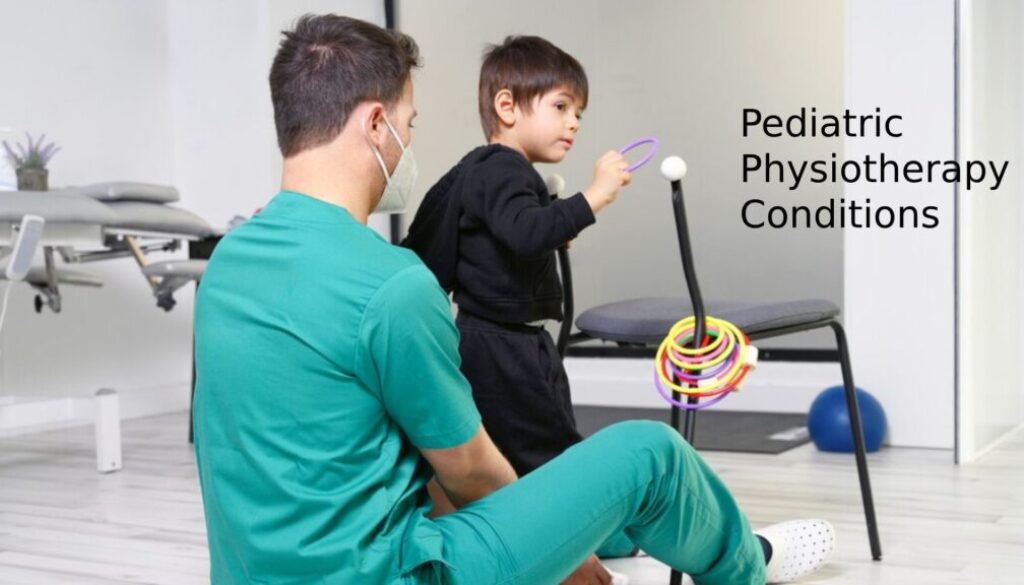
Structured Play Activities might include obstacle courses that challenge balance and coordination, ball games that promote catching and throwing skills, dancing or movement songs that encourage rhythm and motor planning, or building activities that develop fine motor control and bilateral coordination.
Sensory Integration Approaches help children who have difficulty processing sensory information. These techniques might involve swinging or spinning activities to address vestibular processing, textured materials for tactile exploration, or proprioceptive activities that help children understand their body position in space.
Neurodevelopmental Treatment (NDT)
NDT approaches focus on facilitating normal movement patterns while inhibiting abnormal reflexes or muscle tone. This hands-on approach is particularly valuable for children with neurological conditions like cerebral palsy.
Therapists use specific handling techniques to help children experience normal movement patterns, positioning strategies that promote optimal alignment and function, and environmental modifications that support the child’s developmental needs.
Strength and Conditioning
While adapted for children’s developmental levels, strength and conditioning programs help address muscle weakness, improve endurance, and enhance overall fitness levels.
Age-Appropriate Strengthening might involve resistance exercises using body weight, elastic bands, or light weights for older children, functional activities like climbing, jumping, or carrying objects, and sports-specific training that builds strength while developing athletic skills.
Gait Training and Mobility
For children with walking difficulties, gait training focuses on developing safe, efficient walking patterns. This might involve practice on different surfaces and terrains, use of assistive devices like walkers or crutches, balance training to prevent falls, and endurance building for community mobility.
Technology and Innovation in Pediatric Physiotherapy
Modern pediatric physiotherapy increasingly incorporates technology to enhance assessment, treatment, and engagement.
Assessment Technologies
Motion Analysis Systems provide detailed information about movement patterns, helping therapists identify subtle abnormalities and track progress over time. While primarily used in research and specialized clinics, these systems are becoming more accessible.
Balance Assessment Tools like computerized force plates can objectively measure balance abilities and identify fall risk factors. This information helps guide intervention strategies and document progress.
Treatment Technologies
Virtual Reality Systems offer engaging ways to practice movement skills and balance training. Children can “walk” through virtual environments, play games that require specific movements, or practice functional activities in safe, controlled settings.
Functional Electrical Stimulation (FES) can help children with neurological conditions strengthen muscles and improve movement patterns. This technology is particularly useful for children with spinal cord injuries or other conditions affecting muscle control.
Robotic Devices assist with gait training and repetitive movement practice. While expensive and primarily available in specialized centers, these devices show promise for intensive rehabilitation programs.
Creating Supportive Home Environments
Parents play crucial roles in supporting their children’s development by creating environments that promote movement, exploration, and skill development.
Environmental Modifications
Physical Space Considerations include providing adequate room for movement and play, minimizing obstacles that might impede mobility, creating safe spaces for floor play and exploration, and organizing toys and materials to encourage active engagement.
Equipment and Adaptive Devices might include age-appropriate playground equipment for the backyard, therapy balls, balance boards, or other equipment recommended by therapists, adaptive seating or positioning devices if needed, and safety equipment like helmets for children at risk of falls.
Daily Routine Integration
Incorporating Therapeutic Activities into daily routines helps ensure consistent practice without overwhelming families. This might involve doing exercises during television viewing, practicing balance during tooth brushing, using stairs for strengthening activities, or turning household chores into movement opportunities.
Promoting Active Participation in family activities encourages children to challenge themselves in natural settings. Family walks, playground visits, swimming, or sports activities provide valuable movement experiences while building family connections.
Working with Educational Systems
Many children receiving pediatric physiotherapy also need support in educational settings. Understanding how to advocate for your child’s needs in school environments is crucial for comprehensive care.
School-Based Services
Individualized Education Programs (IEPs) may include physiotherapy services for children whose conditions affect their educational performance. School-based therapists focus on helping children access educational environments and participate in school activities.
504 Plans provide accommodations for children who don’t qualify for special education services but need modifications to participate fully in school. These might include preferential seating, movement breaks, or modified physical education activities.
Collaboration Between Settings
Communication Between Therapists ensures consistency between clinic-based and school-based services. Parents often serve as liaisons, sharing information about goals, strategies, and progress between different providers.
Home-School Coordination helps ensure that therapeutic strategies are reinforced across all environments where children spend time. This might involve sharing exercise programs, positioning techniques, or behavioral strategies.
Transitioning Through Developmental Stages
Children’s needs evolve as they grow, requiring ongoing assessment and adjustment of therapeutic approaches.
Infancy and Toddlerhood
During these early years, therapy often focuses on achieving basic motor milestones, preventing secondary complications, and supporting family adjustment to any challenges their child faces.
Primary Goals typically include promoting normal movement patterns, achieving sitting, standing, and walking milestones, developing hand skills for exploration and play, and supporting feeding and other daily activities.
Preschool Years
As children become more mobile and social, therapy goals often shift toward preparing for school participation and developing more complex motor skills.
Emerging Focus Areas include fine motor skills for drawing and writing, gross motor skills for playground activities, social skills for group play, and self-care independence.
School Age
School-age children face increasing demands for complex motor skills, sustained attention, and social participation. Therapy during this period often emphasizes building competence and confidence in various activities.
Expanding Opportunities might include sports participation, extracurricular activities, community mobility skills, and vocational preparation for older children.
Adolescence
Teenagers face unique challenges related to rapid physical growth, increasing independence expectations, and social pressures. Therapy during this period often focuses on transitioning to adult services and developing long-term self-management skills.
Transition Planning becomes crucial during adolescence, involving preparation for adult healthcare systems, development of self-advocacy skills, exploration of career and educational opportunities, and maintenance of physical fitness and health.
The Role of Nutrition and Sleep in Pediatric Development
While physiotherapy addresses mechanical aspects of movement and development, nutrition and sleep significantly impact children’s ability to benefit from therapeutic interventions.
Nutritional Considerations
Energy Requirements for children involved in intensive therapy programs may be higher than typical. Adequate nutrition supports muscle development, bone growth, and recovery from physical activities.
Specific Nutritional Needs might be elevated for children with certain conditions. For example, children with cerebral palsy often have increased caloric needs due to muscle stiffness and increased energy expenditure during movement.
Feeding Difficulties sometimes accompany developmental delays or neurological conditions. Pediatric physiotherapists may work with feeding specialists to address oral motor skills that support both eating and speech development.
Sleep’s Impact on Development
Motor Learning consolidation occurs during sleep, making adequate rest essential for children learning new movement skills. Poor sleep can significantly impact a child’s ability to benefit from therapy interventions.
Growth Hormone Release primarily occurs during deep sleep, affecting muscle development, bone growth, and tissue repair. Children with disrupted sleep patterns may experience slower progress in therapy programs.
Financial Considerations and Insurance Coverage
Understanding the financial aspects of pediatric physiotherapy helps families plan for long-term care needs and advocate for appropriate coverage.
Insurance Coverage Patterns
Early Intervention Services are often covered through state programs for children under three years old. These services may be provided at no cost to families, regardless of insurance status.
Private Insurance Coverage varies significantly among plans. Some provide generous benefits for pediatric therapy services, while others have strict limitations on visit numbers or require extensive documentation of medical necessity.
School-Based Services are provided at no cost to families when they’re included in IEPs or 504 plans. However, school-based therapy focuses specifically on educational needs rather than comprehensive medical care.
Maximizing Benefits
Documentation Strategies help ensure that insurance companies understand the medical necessity of services. This includes maintaining detailed records of assessments, progress notes, and functional outcomes.
Preventive Care Arguments emphasize how early intervention prevents more costly interventions later. Many insurance companies recognize the cost-effectiveness of pediatric therapy services when presented with appropriate documentation.
For families in Bangalore seeking comprehensive pediatric physiotherapy services, Physio At Your Doorstep offers specialized care in the comfort of your home. Our experienced pediatric physiotherapists provide assessment and treatment across various areas including JP Nagar, BTM Layout, Jayanagar, Koramangala, and HSR Layout. Our orthopedic physiotherapy services include pediatric specializations, while our neurological physiotherapy expertise addresses complex neurological conditions affecting children.
Building Support Networks
Families dealing with pediatric physiotherapy conditions benefit greatly from connecting with others who share similar experiences and challenges.
Professional Support Teams
Multidisciplinary Approaches often provide the most comprehensive care for children with complex needs. Team members might include pediatric physicians, physiotherapists, occupational therapists, speech-language pathologists, nutritionists, and social workers.
Care Coordination becomes essential when multiple providers are involved. Families often serve as the central coordinators, ensuring that all team members communicate effectively and work toward common goals.
Family and Community Support
Extended Family Education helps ensure that grandparents, siblings, and other family members understand the child’s needs and can provide appropriate support. This education might include information about conditions, therapeutic techniques, and safety considerations.
Community Resources such as adaptive sports programs, special needs support groups, and inclusive recreational activities provide valuable opportunities for children to develop skills while building social connections.
Peer Support and Advocacy
Parent Support Groups offer opportunities to share experiences, learn from others, and access practical resources. Many groups focus on specific conditions, while others address general developmental concerns.
Advocacy Organizations provide information about rights, services, and resources while working to improve policies and funding for pediatric services. These organizations often offer educational materials, conferences, and networking opportunities.
Research and Evidence-Based Practice
Pediatric physiotherapy continues to evolve based on ongoing research into effective treatment approaches and optimal service delivery models.
Current Research Trends
Early Intervention Effectiveness studies consistently demonstrate better outcomes when services begin early in a child’s development. Research continues to refine understanding of critical periods and optimal intervention intensities.
Technology Integration research explores how virtual reality, robotics, and other technologies can enhance traditional therapy approaches. While promising, most technological interventions are still being studied for safety and effectiveness in pediatric populations.
Family-Centered Care Models research examines how different service delivery approaches affect family satisfaction and child outcomes. Home-based services, telehealth interventions, and parent-mediated approaches show particular promise.
Participating in Research
Clinical Trials sometimes offer access to cutting-edge treatments while contributing to scientific knowledge. Families considering research participation should carefully weigh potential benefits and risks while consulting with their healthcare teams.
Outcome Studies help document the effectiveness of different treatment approaches. Many clinics participate in research studies that track children’s progress over time, contributing valuable data to the field.
Future Directions in Pediatric Physiotherapy
The field continues to evolve with advancing technology, changing healthcare policies, and growing understanding of child development.
Emerging Treatment Approaches
Precision Medicine concepts are beginning to influence pediatric therapy, with treatments increasingly tailored to individual genetic, environmental, and social factors. This approach promises more effective, efficient interventions.
Telehealth Integration expanded rapidly during recent global health challenges and continues to evolve as a valuable service delivery option. Remote consultations, home program monitoring, and virtual group sessions offer new opportunities for accessing care.
Policy and Service Delivery Evolution
Early Intervention Expansion efforts focus on identifying and serving more children who could benefit from services. Policy initiatives aim to reduce barriers to access and improve service coordination.
Outcome Measurement Standardization efforts seek to develop better ways to measure and communicate the effectiveness of pediatric therapy services. This information supports advocacy efforts and helps families make informed decisions about care options.
Resources and References
Professional Organizations and Certification Bodies
Pediatric Physical Therapy Section of the American Physical Therapy Association – Provides evidence-based guidelines, continuing education opportunities, and resources for families and professionals working in pediatric physiotherapy.
International Association of Pediatric Physical Therapists – Offers global perspectives on pediatric physiotherapy practice, research findings, and professional development opportunities.
Indian Association of Physiotherapists – Pediatric Special Interest Group – Local professional organization providing resources, training, and networking opportunities for pediatric physiotherapists in India.
Developmental Assessment Tools and Resources
Centers for Disease Control and Prevention (CDC) Developmental Milestones – Comprehensive milestone checklists, free mobile apps for tracking development, and evidence-based information about when to be concerned about delays.
First Signs Organization – Educational resources about early signs of developmental delays, autism spectrum disorders, and other conditions that may benefit from early intervention services.
Zero to Three National Center – Resources focused on infant and toddler development, including information about early intervention services and family support strategies.
Condition-Specific Resources
United Cerebral Palsy Association – Comprehensive information about cerebral palsy, treatment options, family support services, and advocacy resources for families affected by cerebral palsy.
Spina Bifida Association – Educational materials, support groups, and resources for families dealing with spina bifida and related conditions.
Torticollis Kids Foundation – Specialized information about congenital torticollis, treatment approaches, and prevention strategies for plagiocephaly and other secondary complications.
Family Support and Educational Resources
Family Voices – National organization focused on family-centered care for children with special healthcare needs, including advocacy training and resource navigation.
Parent to Parent Organizations – Peer support networks connecting families with similar experiences, available in most communities and focusing on various conditions and concerns.
Understood.org – Comprehensive resource for learning and attention differences, including information about developmental coordination disorder and other conditions affecting school performance.
Technology and Apps
CDC Milestone Tracker – Free mobile app for tracking developmental milestones and sharing information with healthcare providers.
Gross Motor Development Apps – Various apps designed to support home exercise programs and track progress in gross motor skills development.
Communication Tools for Therapy – Apps and resources that help children communicate their needs and feelings during therapy sessions.
Local Bangalore Resources
Physio At Your Doorstep – Specialized pediatric physiotherapy services providing comprehensive assessment and treatment in home settings across Bangalore, including JP Nagar, BTM Layout, Jayanagar, Koramangala, and HSR Layout areas.
Bangalore Early Intervention Centers – Various centers providing multidisciplinary early intervention services for children with developmental delays and disabilities.
Special Schools and Inclusive Education Programs – Educational institutions in Bangalore offering specialized support for children with physical and developmental challenges.
Research and Evidence-Based Practice Resources
Cochrane Reviews in Pediatric Rehabilitation – Systematic reviews of research evidence supporting various pediatric physiotherapy interventions and treatment approaches.
Pediatric Physical Therapy Journal – Professional journal publishing current research, case studies, and evidence-based practice guidelines for pediatric physiotherapy.
PEDro Database – Physiotherapy Evidence Database containing systematic reviews and clinical trials relevant to pediatric physiotherapy practice.
Financial and Legal Resources
Insurance Advocacy Organizations – Groups that help families navigate insurance coverage for pediatric therapy services and advocate for policy improvements.
Legal Aid Societies – Organizations providing assistance with educational rights, disability law, and advocacy for children with special needs.
Grant and Funding Organizations – Various foundations and organizations offering financial assistance for pediatric therapy services and adaptive equipment.
Remember that while these resources provide valuable information, they should complement rather than replace professional medical advice. Always consult with qualified healthcare providers about your child’s specific needs and appropriate treatment options.
The journey of supporting a child with physiotherapy needs can feel overwhelming at times, but remember that you’re not alone. With proper assessment, evidence-based treatment, family support, and community resources, most children with developmental challenges can achieve significant improvements in their physical abilities and overall quality of life.
Your role as a parent or caregiver is invaluable in this process. Your observations, concerns, and commitment to your child’s development make the difference between simply managing a condition and helping your child thrive. Trust your instincts, ask questions, seek support when needed, and celebrate every milestone achieved along the way.