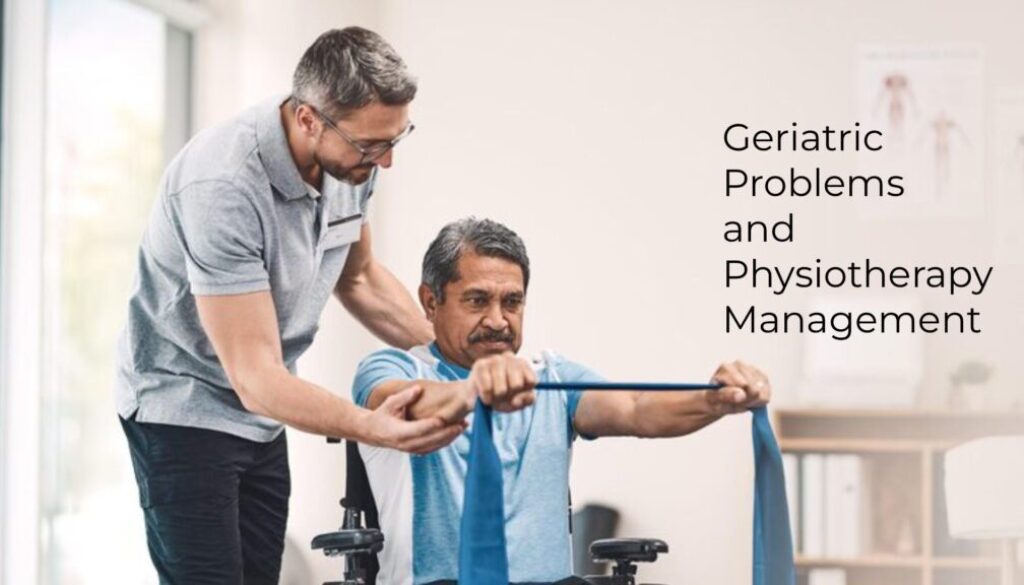
Geriatric Problems and Its Physiotherapy Management
As our population ages, understanding geriatric health challenges and their effective management becomes increasingly critical. Older adults face unique physiological changes that can significantly impact their quality of life, independence, and overall wellbeing. Physiotherapy has emerged as a cornerstone treatment approach, offering evidence-based interventions that address multiple age-related conditions simultaneously while promoting functional independence.
This comprehensive guide explores the most common geriatric problems, their underlying causes, and how specialized physiotherapy management can transform the lives of elderly individuals through targeted interventions and personalized care plans.
Understanding the Aging Process and Geriatric Health Challenges
Aging is a natural biological process characterized by progressive physiological changes affecting multiple body systems. While growing older is inevitable, the associated health complications are often preventable or manageable through appropriate interventions. The geriatric population, typically defined as individuals aged 65 and above, experiences a unique constellation of health issues that require specialized care approaches.
Research indicates that approximately 93% of adults aged 65 and older live with at least one chronic condition, while 79% manage two or more simultaneously. This phenomenon, known as multimorbidity or polypathology, creates complex healthcare needs that demand comprehensive, interdisciplinary management strategies where physiotherapy plays a vital role.
Key Physiological Changes in Elderly Individuals
The aging body undergoes several significant transformations:
- Musculoskeletal changes: Progressive loss of muscle mass (sarcopenia), reduced bone density (osteopenia/osteoporosis), decreased joint flexibility, and cartilage degeneration
- Cardiovascular alterations: Reduced cardiac output, arterial stiffness, and diminished vascular elasticity
- Neurological modifications: Slower nerve conduction, decreased proprioceptive feedback, and reduced reaction times
- Respiratory limitations: Reduced lung capacity, decreased respiratory muscle strength, and diminished gas exchange efficiency
- Sensory impairments: Vision and hearing decline, reduced tactile sensitivity, and altered vestibular function
These changes create a cascade effect, increasing vulnerability to various geriatric syndromes and functional limitations that physiotherapy specifically targets.
Common Geriatric Problems Requiring Physiotherapy Intervention
1. Falls and Balance Disorders
Falls represent one of the most serious threats to elderly independence and safety. Statistics reveal that one in four Americans aged 65 and older experiences a fall annually, making fall prevention a critical public health priority. Falls can result in severe injuries including hip fractures, traumatic brain injuries, and loss of confidence leading to activity restriction and social isolation.
Contributing factors include:
- Muscle weakness, particularly in lower extremities
- Impaired balance and coordination
- Gait abnormalities and reduced walking speed
- Vision impairment and depth perception issues
- Medication side effects causing dizziness or orthostatic hypotension
- Environmental hazards such as poor lighting, uneven surfaces, or loose rugs
- Chronic conditions affecting stability like Parkinson’s disease or peripheral neuropathy
Physiotherapy Management: Comprehensive fall prevention programs include balance training exercises, strength conditioning, gait retraining, and functional movement training. Evidence-based programs like the Otago Exercise Programme have demonstrated 35-40% reduction in fall rates among elderly participants through structured home-based interventions.
2. Arthritis and Joint Pain
Arthritis affects approximately 50% of individuals over 65, with osteoarthritis being the most prevalent form. This degenerative joint disease causes pain, stiffness, reduced range of motion, and functional limitations in daily activities. The knee, hip, spine, and hand joints are most commonly affected.
Physiotherapy Management: Treatment approaches include manual therapy techniques, therapeutic exercises focusing on joint mobilization and muscle strengthening, heat and cold therapy, pain management modalities, and education on joint protection strategies. Progressive resistance training has shown particular effectiveness in reducing arthritis-related pain while improving functional capacity.
3. Osteoporosis and Bone Health
Osteoporosis, characterized by decreased bone mineral density and increased fracture risk, affects millions of elderly individuals, particularly postmenopausal women. This silent disease often remains undiagnosed until a fracture occurs, making preventive interventions crucial.
Physiotherapy Management: Weight-bearing exercises, resistance training, and balance activities form the cornerstone of physiotherapy interventions. These exercises stimulate bone formation, improve bone density, and reduce fracture risk. Specialized programs also focus on postural correction and spinal stabilization to prevent vertebral compression fractures.
4. Stroke and Neurological Conditions
Stroke incidence increases dramatically with age, often resulting in hemiparesis, balance impairment, gait abnormalities, and reduced functional independence. Other neurological conditions like Parkinson’s disease, multiple sclerosis, and peripheral neuropathy also commonly affect the geriatric population.
Physiotherapy Management: Neurological physiotherapy employs specialized techniques including neurodevelopmental approaches, task-specific training, constraint-induced movement therapy, and functional electrical stimulation. Gait retraining, balance exercises, and activities of daily living (ADL) training help maximize recovery and functional independence.
5. Chronic Obstructive Pulmonary Disease (COPD) and Respiratory Conditions
COPD affects approximately 12% of older adults aged 65 and above, causing breathing difficulties, reduced exercise tolerance, and decreased quality of life. Chronic bronchitis and emphysema are the primary conditions within this category.
Physiotherapy Management: Pulmonary physiotherapy includes breathing exercises, airway clearance techniques, endurance training, and energy conservation strategies. Pursed-lip breathing, diaphragmatic breathing, and graded exercise programs significantly improve respiratory function and exercise capacity.
6. Cardiovascular Disease and Cardiac Rehabilitation
Heart disease remains the leading cause of death among individuals 65 and older. Conditions including coronary artery disease, heart failure, and hypertension require careful management to prevent complications and maintain functional capacity.
Physiotherapy Management: Cardiac rehabilitation programs supervised by physiotherapists include graduated exercise training, cardiovascular conditioning, risk factor modification education, and lifestyle counseling. These interventions improve cardiovascular fitness, reduce hospital readmissions, and enhance quality of life.
7. Diabetes and Its Complications
Type 2 diabetes affects approximately 24% of older adults, often leading to complications such as peripheral neuropathy, diabetic foot ulcers, vision problems, and reduced wound healing capacity. These complications significantly impact mobility and independence.
Physiotherapy Management: Exercise prescription forms a fundamental component of diabetes management, improving insulin sensitivity and glycemic control. Specialized interventions address peripheral neuropathy through sensory retraining, balance exercises, and diabetic foot care education to prevent ulceration and amputation.
8. Post-Surgical Rehabilitation
Elderly individuals frequently undergo surgical procedures including joint replacements (hip and knee), cardiac surgeries, and orthopedic procedures. Post-surgical recovery in geriatric patients requires specialized care due to slower healing rates and increased complication risks.
Physiotherapy Management: Early mobilization, progressive strengthening exercises, range of motion activities, scar tissue management, and functional training facilitate optimal surgical outcomes. Physiotherapists design age-appropriate recovery protocols considering individual comorbidities and functional goals.
9. Dementia and Cognitive Decline
Dementia affects millions of elderly individuals worldwide, with Alzheimer’s disease being the most common form. While primarily a cognitive condition, dementia significantly impacts physical function, mobility, and safety.
Physiotherapy Management: Multi-sensory exercise programs, familiar movement patterns, and simplified instruction techniques help maintain physical function in individuals with dementia. Group exercise classes provide social engagement while addressing physical decline, and environmental modifications reduce fall risks.
10. Urinary Incontinence
Bladder control issues affect many elderly individuals, causing embarrassment, social withdrawal, and increased fall risk due to rushing to the bathroom. Both stress and urge incontinence patterns commonly occur.
Physiotherapy Management: Pelvic floor muscle training, bladder retraining programs, and functional exercises addressing continence represent effective conservative management approaches. Biofeedback techniques and electrical stimulation may be incorporated for resistant cases.
Comprehensive Physiotherapy Assessment for Geriatric Patients
Effective physiotherapy management begins with thorough comprehensive geriatric assessment (CGA). This multidimensional evaluation process examines:
- Medical history: Current diagnoses, medication review (polypharmacy assessment), surgical history, and symptom analysis
- Functional assessment: Activities of daily living (ADLs), instrumental activities of daily living (IADLs), and mobility status
- Physical examination: Posture analysis, range of motion testing, muscle strength evaluation (manual muscle testing), sensory testing, and reflexes
- Balance and gait assessment: Berg Balance Scale, Timed Up and Go Test, gait speed measurement, and fall risk screening
- Cardiovascular and respiratory evaluation: Exercise tolerance, vital sign responses, and endurance capacity
- Pain assessment: Pain location, intensity (Visual Analog Scale), quality, and functional impact
- Psychosocial evaluation: Depression screening, cognitive function, social support systems, and living environment assessment
This comprehensive evaluation informs personalized treatment planning and goal setting, ensuring interventions address individual needs, preferences, and capabilities.
Evidence-Based Physiotherapy Interventions for Geriatric Care
Therapeutic Exercise Programs
Exercise represents the most powerful physiotherapy intervention for geriatric populations. Structured programs should incorporate:
Strength Training: Progressive resistance exercises targeting major muscle groups improve muscle mass, bone density, and functional capacity. Recommendations include 2-3 sessions weekly, focusing on lower extremity muscles critical for mobility and balance.
Balance Training: Static and dynamic balance exercises progressively challenge stability systems. Activities progress from wide-stance standing to single-leg balance, tandem walking, and obstacle navigation. Research demonstrates significant fall risk reduction through consistent balance training.
Flexibility Exercises: Range of motion activities maintain joint mobility, reduce stiffness, and prevent contractures. Gentle stretching programs improve functional movement patterns essential for daily activities.
Cardiovascular Conditioning: Aerobic activities appropriate for individual fitness levels improve heart health, endurance, and overall wellbeing. Options include walking, stationary cycling, water aerobics, and chair-based exercises for those with limited mobility.
Functional Training: Task-specific exercises mimicking daily activities (sit-to-stand, reaching, carrying objects) directly translate to improved independence in real-world scenarios.
Manual Therapy Techniques
Hands-on interventions provide pain relief, improve joint mobility, and enhance tissue healing. Techniques include:
- Soft tissue mobilization and myofascial release
- Joint mobilization and manipulation
- Massage therapy for circulation and relaxation
- Passive range of motion exercises
Physical Modalities
Therapeutic modalities supplement exercise programs:
- Heat therapy: Reduces pain, increases tissue extensibility, and promotes relaxation
- Cold therapy: Manages acute inflammation and pain
- Electrical stimulation: Facilitates muscle strengthening, pain modulation, and tissue healing
- Ultrasound therapy: Promotes deep tissue healing and reduces inflammation
- TENS (Transcutaneous Electrical Nerve Stimulation): Provides non-pharmacological pain management
Gait Training and Mobility Enhancement
Walking pattern optimization through gait analysis, assistive device prescription and training (canes, walkers, rollators), obstacle negotiation practice, and stair climbing techniques restore safe community ambulation.
Environmental Modifications and Fall Prevention Strategies
Home safety assessments identify hazards and recommend modifications:
- Improved lighting throughout living spaces
- Removal of tripping hazards (loose rugs, clutter, electrical cords)
- Installation of grab bars in bathrooms and stairways
- Non-slip mats in bathing areas
- Furniture rearrangement for optimal traffic flow
- Appropriate footwear recommendations
The Benefits of Home-Based Geriatric Physiotherapy
Home-based physiotherapy services, like those offered through Physio At Your Doorstep, provide unique advantages for elderly patients:
Comfort and Convenience
Receiving treatment in familiar surroundings reduces anxiety and eliminates transportation challenges that often limit clinic attendance. Elderly individuals with mobility limitations particularly benefit from doorstep services.
Personalized Environmental Assessment
Physiotherapists can directly evaluate home environments, identify specific hazards, and provide tailored recommendations based on actual living conditions rather than generalized advice.
Functional Context Training
Exercises and interventions can be practiced using the patient’s actual furniture, stairs, and living spaces, ensuring immediate practical application and better carry-over to daily activities.
Family Education and Involvement
Home visits facilitate family member participation in treatment sessions, education on safe handling techniques, and understanding of exercise programs to provide ongoing support.
Improved Adherence
Convenience and comfort of home-based care typically result in better treatment adherence and participation, leading to superior outcomes compared to clinic-based programs alone.
Specialized Physiotherapy Approaches for Different Geriatric Conditions
Orthogeriatric Care
Orthopaedic physiotherapy for elderly patients addresses musculoskeletal conditions including fractures, joint replacements, and degenerative conditions. Collaborative care models integrating geriatricians, orthopedic surgeons, and physiotherapists optimize surgical outcomes and functional recovery.
Frailty Management
Frailty, characterized by reduced physiological reserve and increased vulnerability, requires carefully graduated exercise programs. Evidence demonstrates that structured multicomponent exercise can improve function and even reverse frailty status in community-dwelling older adults.
Palliative and End-of-Life Care
Physiotherapy contributes to comfort, dignity, and quality of life even in advanced disease stages. Interventions focus on symptom management, positioning, gentle mobilization, and family education on comfort measures.
Multidisciplinary Team Approach in Geriatric Rehabilitation
Optimal geriatric care requires collaboration among diverse healthcare professionals:
- Geriatrician or primary care physician: Medical management and overall care coordination
- Physiotherapist: Physical function optimization and mobility enhancement
- Occupational therapist: Activities of daily living training and adaptive equipment
- Speech and language therapist: Swallowing and communication disorders
- Dietitian/Nutritionist: Nutritional optimization and malnutrition prevention
- Social worker: Psychosocial support and community resource coordination
- Pharmacist: Medication review and polypharmacy management
- Psychologist: Mental health support and cognitive assessment
This interdisciplinary approach ensures comprehensive addressing of complex geriatric needs, with physiotherapy as a core component.
Creating Effective Exercise Programs for Elderly Individuals
Key Principles for Safe Exercise Prescription
Geriatric exercise programs must prioritize safety while promoting improvement:
- Start low, go slow: Begin with low-intensity activities and progress gradually
- Individualization: Tailor programs to specific conditions, capabilities, and goals
- Functional relevance: Emphasize exercises directly relating to daily activities
- Multicomponent approach: Include strength, balance, flexibility, and endurance elements
- Progression: Systematically increase difficulty as capacity improves
- Monitoring: Regular assessment and program adjustment based on response
Sample Balance Exercise Progression
Level 1 – Beginner:
- Standing with feet shoulder-width apart (hold 30 seconds)
- Weight shifting side to side
- Marching in place with hand support
- Heel raises with support
Level 2 – Intermediate:
- Standing with feet together (hold 30 seconds)
- Tandem stance (heel-to-toe position)
- Side leg raises with minimal support
- Single-leg stance with support (10-30 seconds each leg)
Level 3 – Advanced:
- Single-leg stance without support
- Tandem walking (heel-to-toe)
- Dynamic balance activities (reaching, turning)
- Eyes-closed balance exercises (with safety precautions)
Overcoming Barriers to Geriatric Physiotherapy
Common Challenges and Solutions
Transportation difficulties: Home-based physiotherapy services eliminate travel barriers, ensuring consistent treatment access.
Financial constraints: Many insurance plans including Medicare cover physiotherapy services. Discussing coverage options and exploring community programs can address financial concerns.
Fear of pain or injury: Education about gentle progression, pain management techniques, and the “hurt versus harm” concept helps overcome anxiety. Starting with comfortable activities builds confidence.
Motivation and adherence: Goal-setting aligned with personal values, social engagement through group programs, family involvement, and celebrating small victories enhance motivation.
Cognitive impairment: Simplified instructions, familiar movement patterns, routine consistency, and caregiver education facilitate participation despite cognitive challenges.
The Role of Technology in Geriatric Physiotherapy
Emerging technologies enhance physiotherapy delivery and outcomes:
- Telehealth services: Virtual consultations provide remote assessment, exercise instruction, and progress monitoring
- Wearable devices: Activity trackers and fall detection systems promote safety and monitor compliance
- Virtual reality: Engaging balance and cognitive training through immersive experiences
- Video analysis: Gait and movement pattern assessment for precise intervention targeting
- Mobile applications: Exercise reminders, instructional videos, and progress tracking
Preventing Geriatric Health Problems: The Proactive Approach
While managing existing conditions is essential, prevention represents the optimal strategy. Physiotherapy plays a crucial role in primary prevention:
Healthy Aging Promotion
- Regular physical activity throughout adulthood maintains muscle mass and bone density
- Early intervention for minor issues prevents progression to major limitations
- Annual fall risk screenings identify vulnerabilities before falls occur
- Posture and ergonomic education prevents musculoskeletal problems
- Lifestyle counseling addresses modifiable risk factors
Community-Based Programs
Group exercise classes, senior fitness programs, and community wellness initiatives provide social engagement alongside physical benefits. These programs improve adherence through peer support and structured scheduling.
Measuring Success: Outcome Measures in Geriatric Physiotherapy
Quantifiable assessment tools track progress and demonstrate treatment effectiveness:
- Functional measures: Timed Up and Go (TUG), 6-Minute Walk Test, 30-Second Sit-to-Stand
- Balance assessments: Berg Balance Scale, Functional Reach Test, Four Square Step Test
- Quality of life questionnaires: SF-36, EQ-5D
- Activity monitoring: Step counts, activity minutes, exercise compliance
- Fall tracking: Fall frequency, circumstances, and consequences
- Pain scales: Visual Analog Scale (VAS), Numeric Rating Scale
Regular reassessment demonstrates progress, guides program adjustments, and provides motivation through tangible improvements.
Conclusion: Empowering Healthy Aging Through Physiotherapy
Geriatric problems, while common, need not diminish quality of life or independence. Physiotherapy management offers powerful, evidence-based interventions addressing the multifaceted challenges elderly individuals face. From fall prevention and balance enhancement to chronic disease management and functional restoration, specialized physiotherapy approaches transform lives.
The key to successful geriatric care lies in early intervention, comprehensive assessment, individualized treatment planning, and consistent participation in therapeutic programs. Home-based physiotherapy services eliminate barriers to access, providing convenient, personalized care in comfortable environments where elderly individuals feel most secure.
Whether recovering from surgery, managing chronic conditions, preventing falls, or simply maintaining independence and vitality, geriatric physiotherapy provides the tools, expertise, and support necessary for healthy aging. By addressing physical limitations while promoting functional capabilities, physiotherapy empowers older adults to live fuller, more active, and independent lives regardless of age or existing health challenges.
If you or a loved one would benefit from specialized geriatric physiotherapy, consider reaching out to professional home-based services that bring expertise directly to your doorstep, ensuring personalized attention and optimal outcomes in the comfort of your own home.
Additional Resources
- Centers for Disease Control and Prevention (CDC) – Falls Prevention: https://www.cdc.gov/falls/index.html
- National Institute on Aging – Exercise and Physical Activity: https://www.nia.nih.gov/health/exercise-and-physical-activity
- American Geriatrics Society – Health Information: https://www.healthinaging.org
- World Physiotherapy – Resources: https://world.physio
Physiopedia – Geriatrics: https://www.physio-pedia.com/Physiotherapy_and_Older_People